
How To
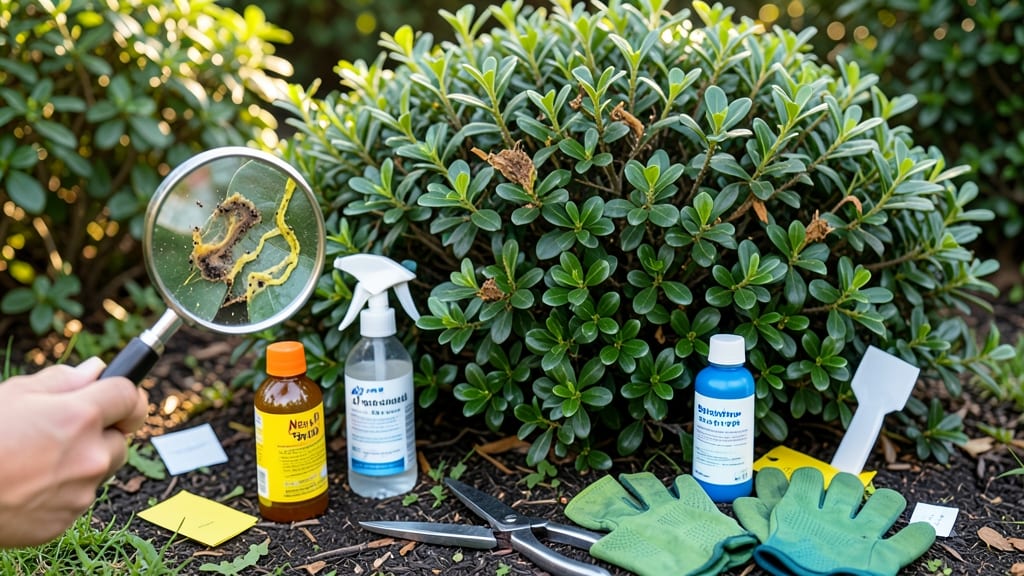
Boxwood leafminers can turn your lush shrubs into skeletal shadows in weeks. 🌿 I’ve battled these tiny pests and learned the fastest way to stop them—without harsh chemicals. The key is acting early with organic sprays that suffocate larvae before they skeletonize your plants.
Most gardeners make this mistake: waiting until the damage is visible. By then, the larvae are already deep in the leaves. Instead, I check for tiny white trails or brown blotches in spring—those are the first signs.
A neem oil spray or kaolin clay treatment applied every 7-10 days stops new eggs from hatching.
Within two weeks of consistent spraying, you’ll see fresh green growth pushing through. The secret? Timing—start treatments in early spring and repeat after rain. This isn’t a slow fix; it’s a game-changer for boxwoods that look like they’ve been chewed by a swarm of invisible caterpillars.
For severe cases, a soapy water spray (1 tsp dish soap per gallon) gives an extra boost. Just avoid overdoing it—soapy residue can harm the plants if left on too long. The goal is fast results without harming your shrubs or the environment.
Understanding The Root Causes
Boxwood leafminers—those tiny, destructive pests—don’t just appear out of nowhere. Their infestations are the result of specific conditions that create the perfect environment for them to thrive. Let’s break down the key reasons why these pests target your boxwoods and how their lifecycle plays into the problem.
Boxwood leafminers (Monarthropalpus buxi) are highly selective—they only feed on boxwoods (Buxus spp.) and closely related plants. But why do they choose your boxwoods over others? Often, it’s because the plant is already stressed or compromised.
- Poor Soil Health: Boxwoods need well-draining, slightly acidic soil (pH 6.0–7.0) rich in organic matter.
If the soil is compacted, nutrient-deficient, or waterlogged, the plant’s defenses weaken, making it more vulnerable to pests. - Overcrowding: Dense planting without proper spacing restricts airflow, increasing humidity around leaves—an ideal breeding ground for leafminers. - Drought or Overwatering: Both extremes stress the plant.
Drought weakens roots, while overwatering leads to root rot, leaving the boxwood unable to fend off pests effectively. - Nutrient Deficiencies: A lack of nitrogen, phosphorus, or micronutrients (like iron or magnesium) can cause yellowing leaves or stunted growth, signaling to pests that the plant is an easy target.
💡 Pro Tip: Conduct a simple soil test to check pH and nutrient levels. Amending the soil with compost or a balanced fertilizer (like 10-10-10) can strengthen your boxwoods’ resilience.
Leafminers have a precise lifecycle that syncs with boxwood growth patterns, ensuring they exploit the plant at its weakest moments.
| Stage | When It Happens | Why It’s Dangerous |
|---|---|---|
| Egg Laying | Early spring (March–April) | Females lay eggs on new growth—the softest, most nutritious part of the leaf. |
| Larval Hatching | Late spring (April–May) | Larvae burrow into leaves, creating visible mines (serrated, brown trails). |
| Pupation | Early summer (June) | Larvae pupate in the soil, emerging as adults by mid-summer to repeat the cycle. |
| Adult Flight | Late summer (July–August) | Adults seek out healthy, lush boxwoods to lay eggs for the next generation. |
⚠️ Key Insight: If your boxwoods are newly pruned or fertilized in spring, they’re more attractive to adult leafminers looking for nutrient-rich hosts.
Leafminers thrive in specific microclimates that many gardeners unintentionally create. Here’s how your garden might be accidentally helping them:
- High Humidity: Leafminers prefer environments with 60–80% humidity. Shady, densely planted areas or regions with poor airflow trap moisture, prolonging larval survival. - Mild Winters: In colder climates, leafminers may die off in harsh winters.
But in USDA Zones 6–9, mild winters allow pupae to survive in the soil, leading to larger infestations the following spring. - Proximity to Other Boxwoods: Leafminers can fly up to 3 miles to find hosts.
If your boxwood is near an infested neighbor’s yard, it’s at higher risk of cross-contamination.
🌡️ Pro Tip: Improve airflow by pruning overgrown branches and thinning out dense shrubs. Mulching with coarse materials (like pine bark) can also reduce soil moisture around roots.
In a healthy ecosystem, predators like **parasitic wasps (Diglyphus isaea), lacewings, and birds keep leafminer populations in check. But if your garden lacks biodiversity, these natural controls disappear.
- Pesticide Overuse: Broad-spectrum insecticides (like neonicotinoids or pyrethroids) kill both pests and beneficial insects, leaving leafminers unchecked.
- Monoculture Landscaping: Planting only boxwoods removes habitat for predator species that rely on diverse plant life.
- Urban or Manicured Gardens: Lawn-heavy landscapes with few native plants or ground covers reduce hiding spots for predator insects.
✨ Eco-Friendly Fix: Introduce native flowering plants** (like alyssum, dill, or yarrow) to attract parasitic wasps. Even a small patch of clover can support predator populations.
Sometimes, the problem isn’t just what’s happening in your garden—it’s how you’re moving plants or tools around.
- Infested Prunings Left on Site: Discarded clippings with leafminer eggs or larvae can re-infest the same plant or nearby boxwoods.
- Reusing Contaminated Tools: Pruners, shears, or even gloves that’ve been used on an infested plant can transfer eggs or larvae to healthy ones.
- Buying Infested Nursery Stock: Some boxwoods sold at garden centers may already be pre-infested with leafminers, especially if they were grown in greenhouses with poor pest control.
🔪 Prevention Tip: Always sterilize tools with rubbing alcohol between cuts, and inspect new plants for signs of mining before bringing them home. Quarantine suspicious plants for a week to monitor for pests.
Quick Fixes for Boxwood Leafminers
Dealing with boxwood leafminers can feel like a losing battle, but with the right approach, you can restore your shrubs to their former glory—and keep them thriving. Below, we’ve mapped out practical, step-by-step solutions based on the root causes of infestations, from early detection to long-term prevention.
Whether you’re facing mild damage or a full-blown outbreak, these methods will help you take control without harsh chemicals.
If you’ve spotted tunneling, blisters, or frass (waste) in leaves, act fast before the larvae pupate and multiply.
🍳 Prune & Remove Damaged Foliage
- When: Early spring or late fall (avoid mid-summer to prevent stressing the plant).
- How:
- Use sterilized pruners (wipe with rubbing alcohol) to cut out heavily infested leaves—especially the blistered or curled ones.
- Dispose of clippings in a sealed bag (not compost) to prevent larvae from spreading.
- Thin out dense growth to improve airflow, making it harder for miners to hide.
👨🍳 Apply Organic Sprays (Best for Active Infestations)
If you’ve confirmed leafminers with a magnifying glass check (look for tiny white larvae inside leaves), these targeted sprays disrupt their life cycle:
| Solution | How to Use | Best Time to Apply | Reapply? |
|---|---|---|---|
| Neem Oil (1%) | Mix 1 tbsp neem oil + 1 tsp mild soap per gallon of water. Spray thoroughly (top and bottom of leaves). | Evening (avoids burning plants in sun) | Every 7–10 days until larvae gone |
| Spinosad (Organic Insecticide) | Follow label rates (e.g., 1.5 oz per gallon). Spray directly on leaves. | Early morning or late evening | Every 10–14 days |
| Kaolin Clay (Surround WP) | Mix 1–2 tbsp per gallon of water. Creates a physical barrier larvae can’t penetrate. | Before infestation peaks (spring) | Every 2–3 weeks |
| Bacillus thuringiensis var. kurstaki (Btk) | Targets caterpillar larvae (leafminers are technically moth larvae). Use 0.5–1 lb per acre. | When larvae are small (early signs) | Every 7–10 days |
✨ Pro Tip: Add a drop of dish soap to sprays to help them stick better to leaves. Test on a small area first!
Once you’ve eliminated the current infestation, keep your boxwoods leafminer-free with these proactive steps:
🌡️ Encourage Natural Predators Leafminers have natural enemies—attract them to your garden:
- Ladybugs 🐞 – Plant dill, fennel, or marigolds nearby.
- Parasitic Wasps 🐝 – They lay eggs inside leafminer larvae.
Avoid pesticides to keep them around. - Birds 🐦 – Install a bird feeder or birdhouse to attract insect-eating species.
🎯 Cultural Controls (Garden Hygiene)
- Mulch properly: Use 2–3 inches of organic mulch (wood chips, straw) to smother emerging adults in spring.
- Rotate plantings: If possible, avoid planting boxwoods in the same spot year after year—leafminers can overwinter in soil.
- Water deeply but less often: Overhead watering can encourage fungal issues; drip irrigation keeps leaves dry.
💡 Seasonal Maintenance Calendar
| Season | Task | Why It Works |
|---|---|---|
| Early Spring | Prune & dispose of last year’s debris. Apply kaolin clay. | Stops overwintering pupae from emerging. |
| Late Spring | Monitor daily for new tunnels. Spray neem oil or Btk if needed. | Catches larvae before they mature. |
| Summer | Avoid stressing plants (don’t over-fertilize). Keep soil moist. | Healthy plants resist infestations better. |
| Fall | Clean up all fallen leaves. Apply compost or mulch. | Removes hiding spots for overwintering adults. |
If your boxwoods are severely damaged (over 50% leaf loss) or the infestation persists after multiple treatments, consider:
- Replacing heavily infested shrubs (if they’re prized specimens, this may be the fastest fix).
- Consulting a local extension service for region-specific advice (some areas have resistant boxwood varieties).
- Using a pyrethrin-based spray (organic but stronger) as a last resort—follow label instructions carefully.
Remember: Patience is key—leafminers take time to fully emerge, so consistent monitoring and treatment will give you the best results. With these steps, your boxwoods will bounce back healthier than ever**! 🌿💪
Frequently asked questions
What do boxwood leafminer damage look like?
Look for serrated brown trails inside leaves—these are the larvae feeding between leaf layers. You’ll also see tiny white larvae (about 1/8-inch) or black frass (waste) along the trails. In severe cases, leaves may curl or blister. Check both leaf surfaces with a magnifying glass for early signs.
Can I use chemical pesticides for boxwood leafminers?
Yes, but organic options like pyrethrin-based sprays work better for boxwoods. Avoid systemic neonicotinoids—they can harm beneficial insects. For severe cases, try acephate (follow label rates), but always test on a small area first. Chemical treatments should be a last resort after organic methods fail.
How often should I spray neem oil for leafminers?
Apply neem oil every 7–10 days during active infestation periods (spring to early summer). Mix 1 tbsp neem oil + 1 tsp mild soap per gallon of water and spray thoroughly on both leaf surfaces. Stop spraying once you see new growth without damage—typically after 4–6 weeks of consistent treatment.
Will removing infested leaves stop the problem?
Pruning alone won’t eliminate leafminers—it only removes visible damage. Always combine removal with sprays (neem oil, kaolin clay) to kill larvae and eggs. Dispose of pruned leaves in sealed bags (not compost) to prevent reinfestation. For best results, prune in early spring before larvae mature.
Can boxwood leafminers survive winter?
Yes, larvae pupate in the soil and overwinter as adults in USDA Zones 6–9. They emerge in spring to lay eggs. To break the cycle, apply kaolin clay in early spring and remove all plant debris. In colder zones (Zone 5 or below), harsh winters may kill pupae naturally.