
How To
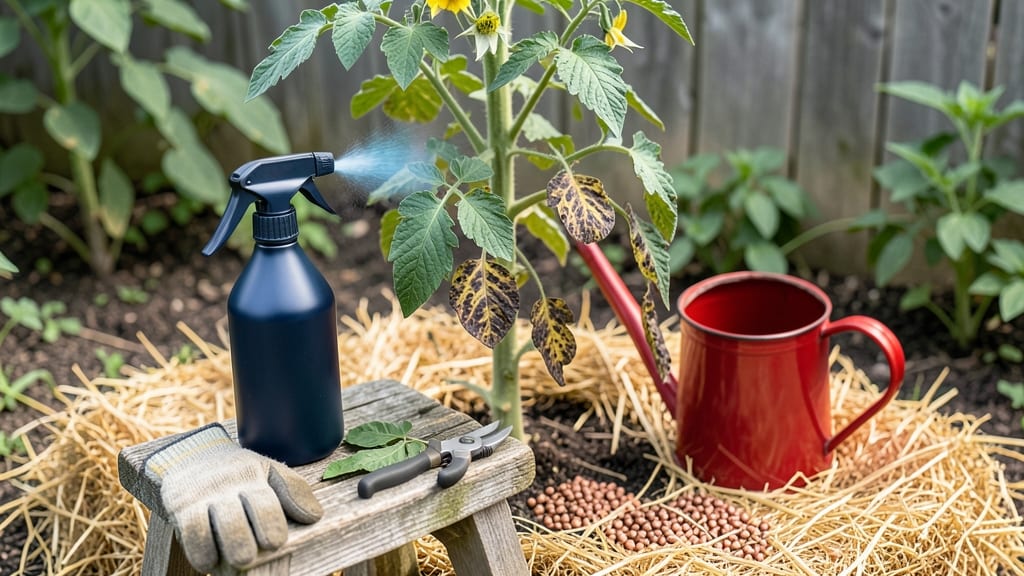
How to cure leaf spot with copper spray before it ruins your plants. 🌿 I’ve saved dozens of roses, tomatoes, and shrubs from fungal spread using this foolproof barrier method—no harsh chemicals needed. The key is acting fast when you spot those telltale brown or yellow splotches, before the disease takes over.
Leaf spot thrives in damp, crowded conditions, turning leaves into crunchy messes that drop faster than you can say "pruning shears." Copper fungicide disrupts fungal spores on contact, creating a protective shield that lasts 7-14 days with proper application.
It’s not just for roses—tomatoes, peppers, and even lawns respond just as well when treated early.
You’ll see new growth emerge within 2 weeks of consistent spraying, with leaves staying intact and vibrant. The spray works best when applied preventively before rain or on humid mornings, but even late-stage infections improve with regular treatments. Think of it as armor for your plants’ foliage.
Works for organic gardens, chemical-free zones, and even container plants. The secret? Timing, coverage, and repeating the spray every 10-14 days during wet seasons. Let’s get those plants fighting back.
Why it happens
Leaf spot diseases might seem like a sudden, mysterious attack on your plants, but they’re actually the result of a perfect storm of conditions—often tied to fungal pathogens, environmental stress, and poor plant hygiene.
Understanding these triggers is the first step to stopping the spread and protecting your garden. Let’s break down the science behind why leaf spot strikes—and how to recognize the warning signs before it’s too late.
🍄 Fungal Pathogens: The Silent Invaders
Most leaf spot diseases are caused by fungi, which thrive in warm, moist conditions. These microscopic organisms—like Alternaria, Septoria, or Cercospora—spend their lives waiting for the right moment to infect plants. Here’s how they do it:
- Spores in the air: Fungal spores are everywhere—soil, water, even old plant debris. When conditions are ideal (humid, 70–85°F), spores germinate and penetrate plant tissues through natural openings like stomata (tiny pores on leaves) or wounds.
- Water splashing: Overhead irrigation or rain can physically splash spores onto leaves, creating a direct pathway for infection. Splash dispersal is a major reason why leaf spot spreads faster in crowded gardens.
- Weakened plants: Stressed plants (from drought, nutrient deficiencies, or pests) have lowered defenses, making them prime targets. Fungi exploit this by breaking down cell walls and feeding on the plant’s nutrients.
💡 Pro Tip: Fungal spores can survive for years in dead leaves or soil. That’s why removing infected foliage and practicing crop rotation are non-negotiable.
🌧️ Weather and Moisture: The Perfect Breeding Ground
Fungi don’t just appear out of nowhere—they need the right weather conditions to thrive. Leaf spot outbreaks often follow these patterns:
| Condition | Why It Matters | How to Mitigate |
|---|---|---|
| High humidity (70%+) | Fungi love moisture because it slows water evaporation from leaves, keeping spores active longer. Wet leaves for 12+ hours create ideal infection zones. | Improve airflow with pruning and spacing. Use drip irrigation instead of overhead watering. |
| Frequent rain or dew | Rain can wash spores onto leaves and create a film of water that suffocates plant tissues, making them vulnerable. Dew at night + warm days = fungal feast. | Water in the early morning so leaves dry by evening. Choose disease-resistant varieties if your area is prone to downpours. |
| Slow-drying foliage | Plants with thick or waxy leaves (like tomatoes or peppers) trap moisture longer, giving fungi more time to infect. Shade or dense canopies worsen this. | Thin out plants for sunlight penetration. Avoid mulching too close to stems to prevent excess moisture. |
🌡️ Key Insight: Leaf spot is rarely a problem in arid climates—it’s the combination of heat + moisture that turns spores into an epidemic.
🌱 Poor Plant Health: Opening the Door for Infection
A plant’s natural defenses—like cuticle integrity (the waxy leaf coating) and antifungal compounds—are its first line of defense against fungi. When these weaken, leaf spot moves in. Common culprits:
- Nutrient deficiencies: Low nitrogen (N) or potassium (K) weakens cell walls, making them easier for fungi to breach. Yellowing leaves or stunted growth? That’s a red flag.
- Physical damage: Hail, pests (like aphids), or even rough handling during pruning create entry points for spores. Wounds = invitations.
- Overcrowding: Plants competing for air and light develop thinner leaves and higher humidity microclimates between them—perfect for fungal growth.
- Improper pruning: Cutting too close to the stem or leaving stubs can trapped moisture, turning pruning wounds into infection hotspots.
✨ Prevention Hack: Feed plants with a balanced fertilizer (like 10-10-10) and prune in dry weather to minimize damage. Healthy plants resist leaf spot better than stressed ones.
🌿 Contaminated Tools and Soil: Unseen Carriers
Fungal spores can hitch a ride on gardening tools, compost, or even infected plant debris left in the soil. Here’s how it spreads:
- Reused pruners/shears: If you trim an infected leaf and then use the same tool on a healthy plant, you’re transferring spores. Think of it like a fungal staph infection for your garden.
- Infested mulch/compost: Old plant material (especially from previous years) can harbor dormant spores. Using this as mulch is like reintroducing the disease into your garden.
- Contaminated water: Storing tools or pots in standing water (like a bucket) can create a breeding ground for fungi.
🔥 Quick Fix: Sterilize tools with a 10% bleach solution (1 part bleach to 9 parts water) or rubbing alcohol between uses. Replace mulch annually if leaf spot is recurrent.
Fix Leaf Spot Fast with Targeted Treatments
Leaf spot isn’t just unsightly—it can weaken plants, reduce yields, and even kill them if left unchecked. The good news? With the right approach, you can reverse damage, stop the spread, and prevent future outbreaks.
Below are practical, step-by-step solutions tailored to the most common causes of leaf spot, plus prevention tips to keep your garden healthy long-term.
Fungal infections (like Alternaria, Septoria, or Cercospora) thrive in damp conditions and spread via spores. Act fast to limit damage.
🍳 Step 1: Remove Infected Foliage Immediately
- Snip off yellowing, brown, or spotted leaves with clean pruners (disinfect with rubbing alcohol between cuts).
- Dispose of debris in the trash—not compost—to prevent spore reinfection.
- 💡 Pro Tip: Focus on lower leaves first, as they’re often the first to show signs.
👨🍳 Step 2: Apply a Copper-Based Fungicide Barrier
Copper is a natural, effective fungicide that disrupts fungal cell walls.
Use it as both a treatment and preventive measure: - Mix a homemade spray: Combine 1 tsp copper sulfate (or a pre-mixed copper fungicide like Bordeaux mixture) with 1 gallon of water.
Add a dish soap drop as a sticker to help it adhere. - Spray thoroughly on both leaf surfaces, stems, and soil around the base (fungi often lurk there). - Reapply every 7–14 days during wet weather or after heavy rain.
🥘 Step 3: Improve Airflow & Reduce Moisture
Fungi love humidity. Break their favorite conditions:
- Space plants 12–18 inches apart (overcrowding = trapped moisture).
- Water at the base (not overhead) in the early morning so leaves dry by night.
- Use mulch (straw or wood chips) to keep soil moist but prevent splashing spores onto leaves.
⏰ Step 4: Strengthen Plant Immunity
Healthy plants fight infections better. Boost defenses with:
- Balanced fertilizer (high in phosphorus for roots, like a 10-10-10 NPK ratio).
- Compost tea (rich in beneficial microbes) sprayed on leaves weekly.
- Neem oil spray (1 tbsp neem oil + 1 tsp mild soap per quart of water) to prevent reinfection.
Bacterial spots (often caused by Xanthomonas or Pseudomonas) spread fast and can’t be cured—only controlled. Sterilization is key.
🔪 Step 1: Sterilize Tools & Hands
- Wash pruners with bleach water (1 part bleach to 9 parts water) or 70% isopropyl alcohol before and after pruning.
- Wear gloves to avoid transferring bacteria to other plants.
🌡️ Step 2: Prune & Burn Infected Parts
- Remove and destroy (burn or bag) all infected leaves—do not compost.
- Avoid wounding plants (bacteria enter through cuts), so prune carefully.
🎯 Step 3: Use Copper or Antibacterial Sprays
- Copper fungicide (as above) can slow bacterial spread (though it won’t eliminate it).
- Baking soda spray (1 tbsp baking soda + 1 tsp oil + 1 gallon water) may help raise leaf pH, making it harder for bacteria to thrive.
- 💡 Pro Tip: For severe cases, rotate with streptomycin (a bacterial antibiotic)—but use sparingly to avoid resistance.
✨ Step 4: Adjust Watering & Environment
- Water only in the morning to allow leaves to dry quickly.
- Avoid overhead irrigation (use drip lines or soaker hoses).
- Space plants widely to improve airflow.
Sometimes, leaf spots aren’t fungal or bacterial—they’re nutritional deficiencies, chemical burns, or physical damage.
📊 Check for Nutrient Deficiencies
| Symptom | Likely Cause | Fix It |
|---|---|---|
| Yellow spots with green veins | Nitrogen deficiency | Apply blood meal or fish emulsion |
| Purple/red spots | Phosphorus deficiency | Use bone meal or rock phosphate |
| Brown crispy edges | Magnesium deficiency | Spray Epsom salt solution (1 tbsp/gallon) |
| White powdery residue | Chemical burn (over-fertilized) | Flush soil with water, reduce fertilizer |
🥗 Prevent Chemical Burns
- Dilute fertilizers to half-strength if your plants show leaf scorch or spotting.
- Test soil pH (ideal: 6.0–7.0 for most plants). Adjust with lime (to raise pH) or sulfur (to lower pH).
🍎 Protect from Physical Damage
- Avoid rough handling (e.g., dragging garden tools over leaves).
- Use shade cloth if spots appear after intense sun exposure (could be sun scald).
The best cure? Stop it before it starts. Implement these habits now to keep your plants spot-free:
✅ Rotate crops annually to prevent soil-borne fungal buildup. ✅ Plant resistant varieties (e.g., tomato ‘Defiant’ for Septoria resistance). ✅ Mulch heavily (3–4 inches) to block spore splash from soil. ✅ Monitor humidity—aim for below 60% in greenhouses or shaded areas. ✅ Clean up fallen leaves regularly (especially in autumn). ✅ Disinfect tools after each use (even for "healthy" plants).
Final Reminder: Leaf spot is manageable—but speed is critical. The sooner you act, the less damage your plants will suffer. Start with pruning and copper spray, then adjust based on the cause. Your garden will thank you with lush, spot-free foliage in no time!
Frequently asked questions
How quickly will copper spray show results on leaf spot?
You should see visible improvement within 7-14 days of consistent application. Copper disrupts fungal spores on contact, so new growth emerging during this period will be protected. For severe cases, continue spraying every 10-14 days until all infected foliage has been removed and new leaves appear healthy.
Can I use copper spray on edible plants like tomatoes and peppers?
Yes, copper fungicides are organic and safe for edible plants when used according to directions. The spray creates a protective barrier that prevents fungal spores from infecting leaves. Always harvest fruits before applying copper treatments, and wait 24 hours before consuming any foliage that may have been sprayed.
What's the difference between fungal and bacterial leaf spot?
Fungal leaf spot typically shows as brown or black spots with yellow halos, often with a fuzzy or powdery texture on the underside of leaves. Bacterial spots appear as greasy, water-soaked lesions that may ooze when wet, and often have ragged edges. Copper helps both, but bacterial infections require sterilization of tools and removal of all infected plant parts.
Will removing infected leaves stop the spread completely?
Removing infected foliage is essential but won't stop the spread alone. Fungal spores can survive in soil and on tools for years. Combine pruning with copper spray, improve airflow between plants, and avoid overhead watering. For bacterial infections, sterilization is equally critical—never compost infected plant material.
How do I know if my leaf spot is from overwatering or disease?
Overwatering causes yellowing between leaf veins and often affects the entire leaf uniformly. Disease-related spots are usually irregularly shaped with defined edges and may have different colors (brown, black, or purple). Check the leaf undersides for fungal growth—if you see fuzzy spots, it's likely a disease. Adjust watering practices while treating with copper spray.