
Pruning
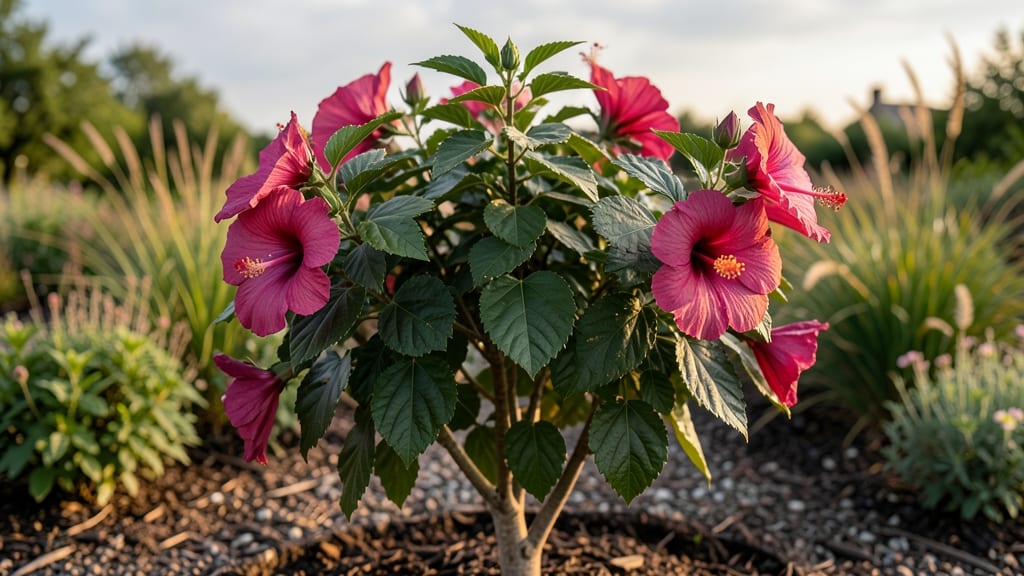
The health of your hibiscus Rose of Sharon’s leaf determines whether it blooms like a summer firework or struggles through the season. 🌿 I've pruned these shrubs for years, and the difference between a lush, flowering bush and a leggy mess comes down to when and how you trim.
The key? Pruning leaves and stems at the right time—spring, summer, and even winter—without turning your shrub into a bare stick. The secret isn't aggressive cutting—it's strategic. Focus on removing 1/3 of the oldest stems in late winter, then lightly shaping after blooms fade.
Healthy leaves should be dark green, glossy, and slightly leathery, while yellowing or spotted leaves signal pests or overwatering. A sharp pair of pruners and a 10-minute weekly check keep your bush thriving all year.
By summer, you'll see new growth shooting from the base, with flowers appearing on fresh wood. The foliage stays dense, and the shrub resists diseases like powdery mildew that plague neglected bushes. Even in tight spaces, this method works—no need for a sprawling yard.
Here's where most gardeners go wrong: skipping the winter cleanup or pruning too late in the season. Stick to the schedule, and your Rose of Sharon will reward you with vibrant blooms from July through frost.
📚 In This Guide
- What you need
- Instructions
- Tips and common mistakes
- Wrapping up and next steps
What you need
- ● Pruning shears: Bypass pruners (sharp, clean, and disease-free) for cuts under ½ inch in diameter. Loppers (for thicker branches, 1–2 inches) and a pruning saw (for stubborn, woody stems).
- ● Hand pruners: Small, ergonomic for delicate trimming (e.g., deadheading or shaping).
- ● Disinfectant: 70% isopropyl alcohol or a bleach solution (1 part bleach : 9 parts water) to sterilize tools between cuts.
- ● Gloves: Heavy-duty, cut-resistant (e.g., gardening gloves with reinforced palms) to protect from thorns and sap.
- ○ Pruning sealant (optional): Tree wound dressing (e.g., Tanglefoot Tree Wound Pruning Seal) for large cuts (controversial—skip if unsure!).
- ● Marking twine or flags: Colored twine or plant tags to label branches for removal (helpful for complex pruning plans).
- ● Ladder or step stool: Stable, 6–8 ft tall (extendable for mature shrubs). Safety first!
- ● Trash bag or bucket: Heavy-duty for collecting pruned branches (check local regulations for disposal).
- ● Weather check: Prune on a dry, overcast day (avoid wet leaves—disease risk!). Ideal temps: 50–75°F (10–24°C).
- ● Safety gear: Long sleeves/pants (protect from thorns and sap) and closed-toe shoes.
- ● Research your Rose of Sharon: Note its growth habit (upright, multi-stemmed, or sprawling) and bloom time (late summer/fall).
- ● Cleanup supplies: Rags or paper towels for wiping tools and hands post-pruning.
How to prune hibiscus Rose of Sharon for year-round growth
This is the pruning method that keeps my Rose of Sharon blooming from early summer through frost—no dead branches, no wasted energy.
✂️ Step 1: Time Your First Prune for Late Winter Dormancy
Wait until late February or early March when buds begin to swell but before new growth emerges. This is the sweet spot—you're cutting back just as the plant prepares to push fresh shoots. I always check for tight, plump buds along the stems; if they're still dormant, wait another week.
Use clean, sharp pruners to make cuts at a 45-degree angle about ¼ inch above an outward-facing bud. This angle prevents water from pooling on the cut, which can rot the stem. For thick branches, I make a second cut slightly above the first to avoid tearing the bark.
✂️ Step 2: Remove Dead, Weak, and Crossing Branches
Start by eliminating any dead or diseased wood—it’s easy to spot as dry, brittle stems that snap when bent. Next, remove branches that are thinner than a pencil or growing inward toward the center of the plant. These compete for light and nutrients, weakening the plant's overall structure.
Look for branches that cross or rub against each other. These create wounds where pests and diseases can enter. If two branches are competing for the same space, keep the healthier, more vigorous one and cut the other back to the nearest bud. I always step back every few cuts to visualize the plant’s shape—this helps me avoid over-pruning.
✂️ Step 3: Shape for Airflow and Light Penetration
Rose of Sharon thrives when air circulates freely around its branches. I aim for an open, vase-like shape that lets sunlight reach the inner stems. Start by thinning out the outermost branches that are growing too densely. Cut these back to half their length, making sure each cut ends at a bud.
For the remaining branches, I focus on maintaining a balanced silhouette. Remove any suckers growing from the base of the plant—these drain energy from the main structure. If a branch is longer than 6 feet, I shorten it by one-third to encourage bushier growth. The goal is to create a framework where light can reach every leaf and airflow prevents fungal issues.
✂️ Step 4: Light Summer Maintenance Pruning
After the initial spring prune, I do a light maintenance trim every 6-8 weeks during the growing season. This isn’t about heavy shaping—just removing spent blooms and overly leggy growth. Snip off flower stems just above the first set of leaves to redirect the plant’s energy into new blooms rather than seed production.
If you notice new shoots growing in the wrong direction (like straight up instead of outward), pinch them back by one-third to encourage branching. I also keep an eye out for water sprouts—those weak, vertical stems that pop up in the center of the plant. These are energy vampires, so I remove them entirely at the base.
⏰ Step 5: Prepare for Winter with a Final Light Trim
In late fall, after the first hard frost but before the ground freezes, do a final light prune. This isn’t about heavy cutting—just tidying up. Remove any dead or diseased branches that might harbor pests over winter. You can also shorten the longest branches by 10-20% to reduce wind damage during storms.
I avoid heavy pruning in winter because the plant is already stressed by cold. Instead, I focus on cleaning up the structure so it’s ready to burst into growth as soon as spring arrives. Mulch around the base with 2-3 inches of organic mulch to protect the roots from freezing temperatures.
Tips & tricks for perfect hibiscus Rose of Sharon pruning
Here's what nobody tells you about keeping your Rose of Sharon thriving all season long.
Bud Timing is Everything: The late February to early March window for your first prune is non-negotiable. I learned this the hard way—pruning too early when buds are still dormant can shock the plant, while waiting too long risks removing next year's blooms. Check for those tight, plump buds along the stems; they're your green light to begin. If you're in a warmer climate, adjust by a few weeks but never prune after new growth appears.
Cutting Technique Matters More Than You Think: That 45-degree angle isn't just for looks—it's a water management system. When you cut at this angle about ¼ inch above an outward-facing bud, you create a natural water runoff that prevents stem rot. For thick branches, the two-cut method (first parallel to the branch, then clean-up cut) saves you from tearing the bark. I keep my pruners razor-sharp with a honing stone between uses—dull blades crush stems instead of cleanly cutting them.
Shape Like a Pro: Visualizing your plant's structure is key. Step back every few cuts to check for balance—you're aiming for that open vase shape where sunlight can reach every leaf. The "half-length" rule for dense outer branches might seem arbitrary, but it's about maintaining that perfect airflow. I think of it like sculpting: you're removing material to reveal the plant's natural beauty, not just hacking away randomly.
Seasonal Maintenance Makes All the Difference: Those 6-8 week summer maintenance trims might seem tedious, but they're what keep your plant blooming continuously. The secret is redirecting energy—when you snip spent blooms just above the first set of leaves, you're telling the plant "keep growing, don't waste energy on seeds." Water sprouts are the real villains here; they steal nutrients from your main structure, so remove them entirely at the base without hesitation.
Pro Tips for Hibiscus Rose Of Sharon Leaf
- Here's what nobody tells you about keeping your Rose of Sharon thriving all season long.
- Bud Timing is Everything: The late February to early March window for your first prune is non-negotiable.
- Cutting Technique Matters More Than You Think: That 45-degree angle isn't just for looks—it's a water management system.
Frequently asked questions
When is the best time to prune Rose of Sharon leaves?
The ideal time is late winter or early spring (before new growth starts). You can also do light pruning in summer to shape the plant, but avoid heavy cuts then—it may stress the shrub. Pro tip: If you missed the winter window, prune in early fall, but stop by mid-fall to prevent late-season growth from being damaged by frost.
How much can I trim back my Rose of Sharon?
You can prune up to one-third of the plant in a single session without harming it. For dramatic shaping, cut back to 12–18 inches from the ground—it’ll bounce back with vigorous new growth! Just avoid over-pruning in consecutive years to prevent weakening the shrub. Note: Older stems (over 3 years) can be removed entirely to rejuvenate the plant.
Why are my Rose of Sharon leaves turning yellow or brown after pruning?
Yellowing or browning can signal over-pruning, disease, or pests. If it’s right after pruning, your plant is likely stressed—give it time to recover. For brown spots, check for powdery mildew (common in humid climates) or aphids. Fix it: Trim affected branches, improve airflow, and spray with neem oil if needed. Preventative tip: Sterilize pruners with rubbing alcohol to avoid spreading pathogens.
Can I use Rose of Sharon leaves for anything besides pruning?
While the leaves aren’t typically used in cooking (they’re not edible), they’re great for compost or mulch. The flowers (when dried) make stunning potpourri, and the stems can be used in floral arrangements. Bonus: The shrub’s deep roots help prevent soil erosion—perfect for slopes or banks!
What should I do if my Rose of Sharon doesn’t bloom after pruning?
Lack of blooms often means over-pruning, poor sunlight, or nutrient deficiency. Ensure your plant gets 6+ hours of sun daily and prune after blooming (not before). Feed with a balanced fertilizer in spring, and avoid cutting back old wood—this is where next year’s flowers form! Troubleshoot: If the plant is leggy, prune selectively to encourage bushier growth.
Wrapping up and next steps
Mastering the art of Hibiscus Rose of Sharon leaf pruning is your ticket to lush, vibrant blooms year-round! 🌿 With the right tools, timing, and techniques—like thinning in late winter and shaping in early spring—you’ll keep your plant thriving and full of life.
Remember, patience and consistency are key, so don’t rush the process.
Ready to transform your garden? Grab your pruners, roll up your sleeves, and give your Rose of Sharon the care it deserves! Start with a single branch this weekend and watch your plant flourish—your green thumb is just a trim away. 🌸