
Pruning
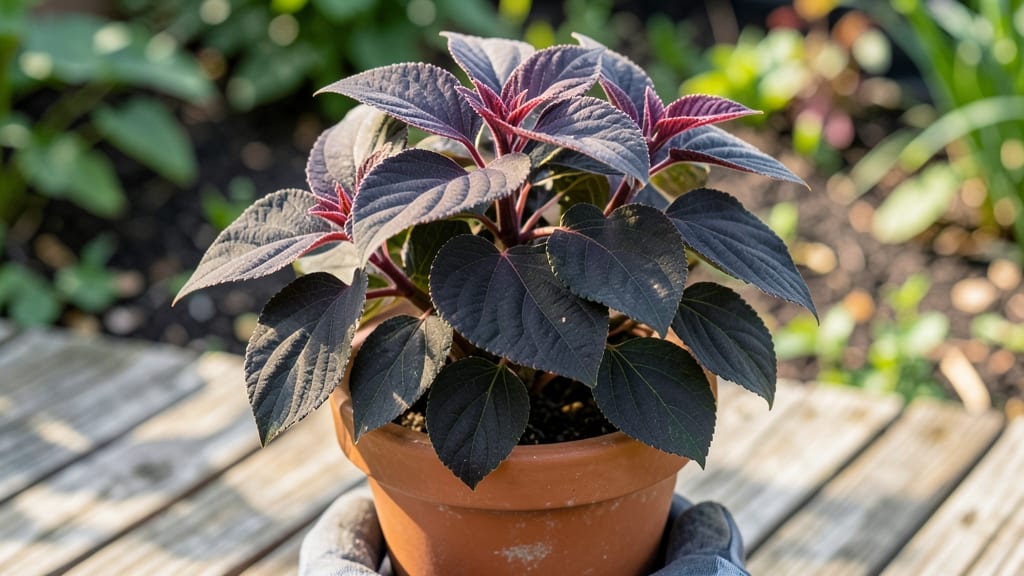
Your garden just got a showstopper—heart-shaped purple leaf trees that steal the show year-round. ✨ These dramatic plants transform any space into a lush, vibrant retreat, whether you're styling containers, borders, or focal points.
I’ve used them to create living art in my own backyard, and the results? Pure wow factor. They thrive in containers, making them perfect for patios, balconies, or even indoors near bright windows.
Pair them with trailing plants like sweet potato vine or variegated ivy for a cascading effect, or contrast their deep purples with silver foliage for a striking combo. The key is placement—partial shade brings out their richest colors, while full sun can fade them over time.
By summer, your heart-shaped stars will be the centerpiece of every outdoor gathering, their glossy leaves catching the light like stained glass. And here’s the best part: they’re low-maintenance once established, so you get drama without the daily fuss.
For extra impact, group odd numbers together (three or five plants) and elevate them on stands or in tiered pots. The possibilities are endless—whether you’re going for boho chic, modern minimalism, or lush tropical vibes.
📚 In This Guide
- What you need
- Instructions
- Tips and common mistakes
- Wrapping up and next steps
What you need
- ● Pruning shears: Bypass pruners (sharp, 5–7" blade) for clean cuts on small stems.
- ● Loppers: 8–10" bypass loppers for thicker branches (up to 1.5" diameter).
- ● Hand pruners (falcon-type): For precision trimming of delicate foliage.
- ● Disposable gloves: Nitrile or latex-free (2–3 pairs) to protect hands from sap and thorns.
- ● Disinfectant: 70% isopropyl alcohol or rubbing alcohol (small bottle) to sterilize tools between cuts.
- ○ Pruning sealant (optional but helpful): Tree wound sealant (like Tanglefoot Tree Wound Pruning Sealer) for larger cuts.
- ● Trash bags or bucket: 5-gallon size to collect clippings (avoid composting diseased leaves).
- ● Ladder (if needed): Lightweight step ladder (4–6 ft) for container trees over 4 ft tall.
- ● Best time to prune: Late winter/early spring (before new growth) or after flowering (summer). Avoid heavy pruning in fall.
- ● Weather check: Choose a calm, dry day (no rain forecast for 24 hours).
- ● Container inspection: Ensure drainage holes are clear and roots aren’t circling (repot if needed).
- ● Tool sharpening: Hone blades with a file or whetstone for clean cuts.
- ● Horticultural oil: For treating pests (like spider mites) before pruning.
- ● Plant food: Balanced fertilizer (10-10-10) to apply post-pruning for recovery.
- ● Mulch: Organic mulch (like bark chips) to retain moisture after trimming.
- ● Camera or sketchbook: To map out your pruning plan before cutting!
How to grow a stunning heart-shaped purple leaf tree in containers
Here's how to bring year-round drama to your patio with this showstopper—simple steps for vibrant foliage that won't quit.
🌱 Step 1: Select the Right Container and Drainage
Choose a 12-15 inch diameter pot with drainage holes—these trees hate soggy roots. I like glazed ceramic or fiberglass because they won't crack in winter freezes. If your pot lacks drainage, drill 4-6 holes along the bottom and add a 2-inch layer of gravel first to prevent clogging.
Size matters: For 4 plants, you'll need 4 containers (one per plant). Place a saucer underneath to catch excess water—this tree's purple leaves wilt fast when roots sit in moisture. The pot should be 2-3 inches wider than the root ball to allow growth without immediate repotting.
🌿 Step 2: Prepare the Soil Mix for Rich Color
Fill the pot with a blend of 50% premium potting mix, 30% perlite, and 20% compost. This lightweight mix keeps roots oxygenated while feeding the deep purple pigments. I always mix in 1 tablespoon of slow-release fertilizer per pot—this tree's foliage fades to green if nutrients get skimpy.
Tap the pot gently to settle the soil, then water until moisture runs freely from the drainage holes. The soil should feel damp like a wrung-out sponge—not bone-dry, not dripping. Press down lightly to eliminate air pockets, then add a 1-inch layer of mulch on top to retain moisture and prevent soil splatter on those gorgeous leaves.
☀️ Step 3: Plant and Position for Maximum Drama
Remove the plant from its nursery pot and loosen the roots if they're circling. Position it so the top of the root ball sits 1 inch below the pot rim—this prevents rot during heavy watering. Backfill with soil, pressing gently to eliminate gaps while avoiding compaction.
Place your new tree in bright, indirect light for the first week—direct sun can scorch the tender purple leaves. After that, move it to 6+ hours of morning sun and afternoon shade in summer. In winter, 4-6 hours of sun is perfect. You'll know it's happy when leaves stay deep purple (not green) and new growth appears spring-like even in winter.
💧 Step 4: Water and Feed for Year-Round Vibrancy
Water when the top 1-2 inches of soil feel dry—stick your finger in to check. This tree thrives on consistent moisture but despises soggy roots. In summer, water every 2-3 days; in winter, every 7-10 days. Always water at the base, not over the leaves, to prevent fungal spots.
Feed with balanced liquid fertilizer (10-10-10) every 4-6 weeks during growing season (spring-fall). You'll see the difference immediately: brighter purple leaves and faster new growth. In winter, cut feeding to once every 8 weeks—the tree rests but still needs minimal nutrients to maintain color.
✂️ Step 5: Prune and Maintain Shape Year-Round
Prune in late winter (just before new growth) to shape the tree and encourage bushier growth. Use clean, sharp shears to cut just above a leaf node at a 45-degree angle. Remove any dead, yellowing, or crossing branches first—this keeps the tree healthy and prevents disease.
Here's the trick: Pinch back new growth in spring to 3-4 leaves from the base. This forces the tree to branch out instead of growing leggy. You'll see fuller, more compact growth within weeks. In fall, do a light cleanup of any brown or damaged leaves—this keeps the tree looking sharp for winter displays.
Tips & tricks for perfect heart-shaped purple leaf trees
These simple strategies will help you keep your container-grown foliage vibrant and thriving all year long.
Container Selection: If you're using decorative pots without drainage, add a 2-inch layer of gravel at the bottom before planting—this mimics natural drainage and prevents root rot. I've found that pots with built-in saucers (like those with a built-in water reservoir) work beautifully, but always empty excess water after 15 minutes to prevent soggy conditions. The 12-15 inch diameter recommendation is perfect because it gives roots room to establish without overwhelming the tree's natural growth pattern.
Soil Mix Secret: The 50-30-20 blend of potting mix, perlite, and compost is ideal, but here's the pro move: add 1 tablespoon of worm castings per pot along with the slow-release fertilizer. Worm castings contain beneficial microbes that boost root health and enhance those deep purple pigments. This small addition makes a noticeable difference in leaf intensity within just a few weeks.
Lighting Strategy: That 6+ hours of morning sun recommendation is critical—morning light is less intense than afternoon sun, which can scorch the delicate purple foliage. I've learned the hard way that even a few hours of harsh afternoon sun can cause leaf bleaching. For winter care, supplement with a grow light for 4-6 hours daily if natural light drops below requirements. The leaves will stay vibrant even during shorter winter days.
Watering Wisdom: The finger-in-the-soil test works, but here's what to watch for: press your finger about 1 inch deep—that's where the roots are actively growing. If it feels dry at this depth, it's time to water. In summer, I set a timer to check moisture every 2-3 days, but I've found that early morning watering prevents fungal issues better than evening watering. The key is consistency without letting the roots sit in moisture.
Pro Tips for Heart Shaped Purple Leaf Tree
- These simple strategies will help you keep your container-grown foliage vibrant and thriving all year long.
- Container Selection: If you're using decorative pots without drainage, add a 2-inch layer of gravel at the bottom before planting—this mimics natural drainage and prevents root rot.
- Soil Mix Secret: The 50-30-20 blend of potting mix, perlite, and compost is ideal, but here's the pro move: add 1 tablespoon of worm castings per pot along with the slow-release fertilizer.
Frequently asked questions
Got questions about keeping your heart-shaped purple leaf tree thriving in containers?
You’re not alone! Here are the most common queries—plus expert answers to help you grow with confidence.
How often should I prune my heart-shaped purple leaf tree to maintain its shape?
Prune your tree once a year during late winter or early spring (before new growth starts). Light trimming to remove dead or overgrown branches can be done year-round, but avoid heavy pruning in fall—it stresses the plant before winter. Use clean, sharp shears to make angled cuts just above a leaf node for the best regrowth.
Can heart-shaped purple leaf trees survive winter in containers?
Yes, but they need protection! Move containers to a sheltered spot (like a garage or under an eave) before temps drop below 20°F (-7°C). Wrap the pot in bubble wrap or frost cloth and add mulch around the base. Water sparingly—overwatering in cold soil can cause root rot. If your zone gets below 10°F (-12°C), consider lifting the tree and storing it in a cool, dark place.
What’s the best soil mix for container-growing heart-shaped purple leaf trees?
Use a well-draining mix: combine 50% potting soil, 30% perlite or pumice, and 20% compost. These trees hate soggy roots! Add a 1-inch layer of gravel at the pot’s bottom for extra drainage. For larger containers, consider a fast-draining blend with orchid bark or coarse sand.
Why are the leaves on my heart-shaped purple leaf tree turning brown or yellow?
Brown/yellow leaves usually signal overwatering, underwatering, or nutrient issues. Check the soil—if it’s dry 1–2 inches down, water deeply. If soggy, let it dry out and improve drainage. Yellow edges? Lack of iron or magnesium—try a chelated iron supplement. Brown spots with crisp edges? Sunburn—move to partial shade.
Are there hardier alternatives to heart-shaped purple leaf trees for colder climates?
If your zone is below 7b (USDA), consider these cold-tolerant purple-leafed trees:
- Purple Smoke Tree (Cotinus coggygria) – Thrives in zones 3–8, drought-tolerant.
- Japanese Maple (Acer palmatum ‘Bloodgood’) – Zones 5–8, stunning red-purple foliage.
- Amur Maple (Acer ginnala) – Zones 3–8, compact and hardy.
Wrapping up and next steps
The heart-shaped purple leaf tree isn’t just a stunning addition to your container garden—it’s a year-round statement piece that thrives with minimal fuss. With the right pruning techniques, you’ll keep its bold foliage vibrant, encourage healthy growth, and even shape it to fit your space perfectly. 🌿✨
Ready to give your tree the TLC it deserves? Grab your pruners, review your notes, and schedule that first trim—your container garden (and neighbors!) will thank you. Happy pruning!