
Vegetables
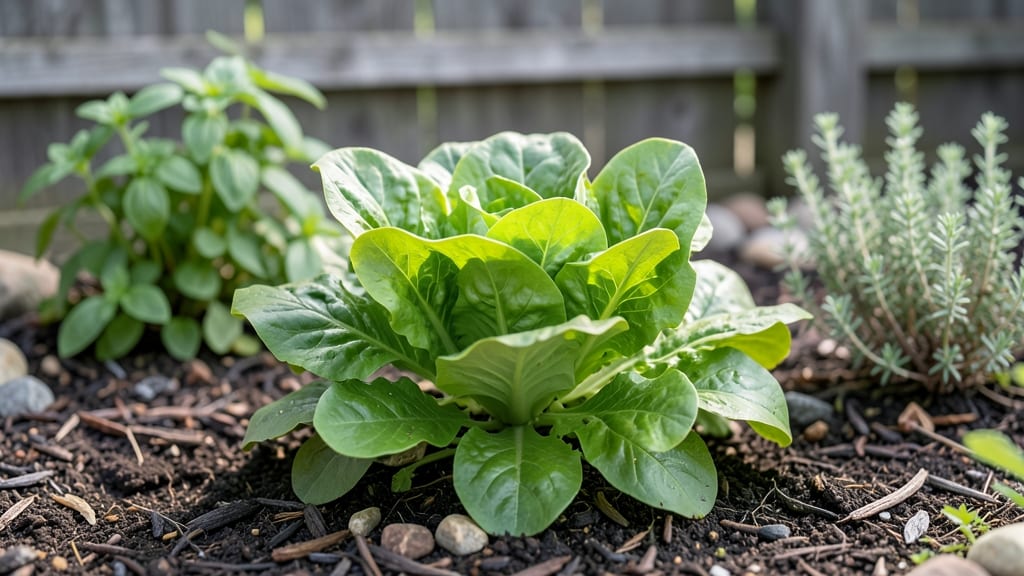
Growing green leaf lettuce from seed means crisp, ready-to-eat salad greens in just 30 days—no waiting months like other crops. 🌱 The secret to this speed is keeping things cool, moist, and shaded until harvest, which I learned after my first batch bolted before I could even taste it.
Now I treat it like a quick-fix crop, not a long-term project.
You’ll need a sunny spot (or grow light) with 4-6 hours of morning sun, well-draining soil, and patience for thin seedlings—lettuce sprouts fast but needs space to grow broad leaves.
Direct sowing in fall or spring works best, but if you start indoors, transplant seedlings when they’re 2-3 inches tall and the soil stays below 75°F. Overcrowding is the #1 mistake; space rows 12 inches apart for full, floppy-free heads.
Harvest begins when the outer leaves reach 4-6 inches tall, and you’ll get multiple cuts from each plant. Snip the largest leaves first, leaving the center to regrow—my first harvest was just 2 weeks after planting, and I’ve been hooked ever since.
The key is consistent watering (keep soil damp, not soggy) and watching for slugs or aphids, which love tender young leaves.
This method works for container gardens, raised beds, or small backyards—no fancy setup required. Once you master the timing, you’ll have fresh greens year-round, even in cooler months. Here’s how to avoid the most common pitfalls and keep your lettuce growing fast and flavorful.
📚 In This Guide
- What you need
- Instructions
- Tips and common mistakes
- Wrapping up and next steps
What you need
- ● Seeds: 1 packet of green leaf lettuce seeds (about 50-100 seeds, depending on variety). Look for fast-maturing varieties like Black Seeded Simpson or Salad Bowl.
- ● Containers: 4-6 4-inch pots (for transplanting) OR
- ● A shallow tray or 10-inch container (for direct sowing, 12+ inches deep).
- ● Growing Medium: 1 bag of seed-starting mix (sterile, well-draining) OR
- ● High-quality potting soil (mix with perlite or vermiculite for aeration).
- ● Watering Tools: A spray bottle (for gentle watering after sowing) OR
- ● A watering can with a fine rose attachment.
- ● Fertilizer: Balanced liquid fertilizer (5-5-5 or 10-10-10, diluted to half-strength) OR
- ● Slow-release granular fertilizer (like 10-10-10, mixed into soil).
- ● A seedling heat mat (to speed up germination in cooler climates).
- ● Grow lights (if starting indoors without sunlight).
- ● A gardening glove (to protect hands while handling soil/seeds).
- ● Row covers or cloches (to protect seedlings from pests or cold snaps).
- ● A pH testing kit (to ensure soil pH is between 6.0–7.0 for optimal growth).
- ● A sunny spot with 4–6 hours of direct sunlight daily (or a grow light setup if indoors).
- ● Consistent temperature range of 50–75°F (10–24°C) (lettuce bolts in heat!).
- ● Patience for thin seedlings (space them 6–12 inches apart to avoid overcrowding).
Step-by-step instructions for growing green leaf lettuce from seed
Here's how I grow crisp, ready-to-harvest lettuce in just 30 days—no fancy equipment needed.
🌱 Step 1: Prepare Containers and Seed Starting Mix
Use shallow containers at least 4 inches deep with drainage holes—lettuce roots are shallow and hate soggy conditions. I fill them with sterile seed-starting mix (not garden soil) because it's light and drains well. Moisten the mix until it feels like a damp sponge—squeeze it gently, and it should hold together but not drip.
Press the soil down lightly with your fingers to create a firm, even surface. This prevents seeds from sinking too deep during watering. I like to draw a shallow grid in the soil with my finger to create ¼-inch deep planting lines—this keeps seeds evenly spaced and makes thinning easier later.
💧 Step 2: Sow Seeds and Maintain Moisture
Sprinkle 2-3 seeds per cell (or 1 inch apart in larger containers) at a depth of just ⅛ inch—lettuce seeds need light to germinate, so burying them too deep slows everything down. Cover lightly with a fine mist from a spray bottle until the soil surface looks uniformly damp.
Place the container in a warm spot (65-75°F)—a sunny windowsill or under a grow light. Keep the soil consistently moist by covering the tray with a clear plastic dome or plastic wrap. Check daily and mist as needed—lettuce seeds germinate best when they never dry out completely. You'll see sprouts in 5-7 days—watch for tiny green hooks breaking through the soil.
☀️ Step 3: Provide Light and Thin Seedlings
Once seedlings emerge, remove the dome immediately to prevent fungal growth. Lettuce needs 4-6 hours of bright light daily—a south-facing window works, but if leaves look pale and leggy, supplement with a grow light kept 4-6 inches above the plants. Rotate the container daily so seedlings grow straight instead of leaning toward the light.
When seedlings reach 2 inches tall (about 10-14 days after sowing), thin to the strongest plant per cell by snipping the extras at the base with scissors. This prevents overcrowding, which leads to bitter leaves. Water gently from below using a tray of water—this keeps the soil evenly moist without disturbing the roots.
🪴 Step 4: Transplant or Harden Off for Direct Sowing
If starting indoors, transplant seedlings to the garden 2-3 weeks after germination when they have 3-4 true leaves. Choose a spot with partial shade (especially in hot climates) to prevent bolting. Space plants 6-8 inches apart in loose, well-draining soil amended with compost. Water deeply at the base to encourage root growth.
For direct sowing, plant seeds ¼ inch deep and 1 inch apart in rows 12 inches apart. Keep the soil moist but not soggy—lettuce grows best with 1 inch of water per week. Mulch with straw to retain moisture and suppress weeds. You'll notice first true leaves (not the initial seed leaves) in 10-14 days, signaling steady growth.
⏰ Step 5: Harvest at Peak Freshness
Harvest outer leaves when they reach 3-4 inches tall—this encourages continuous regrowth. Use clean scissors or fingers to snip leaves at the base, leaving the inner rosette intact. For a full harvest, cut the entire plant at the soil line when leaves reach 5-6 inches tall. You'll have crisp, tender lettuce in just 30 days—no waiting months for maturity!
Real talk: If leaves start to bolt (send up tall flower stems), it means your lettuce is stressed—likely from too much heat or long days. For summer growing, opt for bolt-resistant varieties like 'Black Seeded Simpson' or grow lettuce in partial shade with afternoon protection. A quick harvest prevents bitterness and keeps your crop sweet and crisp.
Tips & tricks for perfect green leaf lettuce growth
These time-tested strategies will help you skip the common pitfalls and grow restaurant-quality lettuce in just 30 days.
Container Selection: Lettuce roots are shallow and hate soggy conditions, so prioritize containers with drainage holes. I recommend using seed trays with individual cells—this makes thinning easier later and prevents overcrowding. If using larger containers, space seeds 1 inch apart as instructed, but avoid anything deeper than 4 inches to prevent root binding.
Lighting Strategy: The 4-6 hours of bright light daily is non-negotiable for crisp growth. If your windowsill isn't cutting it, invest in a basic LED grow light—just keep it 4-6 inches above seedlings. I've found that rotating containers daily prevents leggy growth, which happens when plants stretch toward light sources. This simple habit ensures even growth and prevents weak stems.
Thinning Technique: When seedlings reach 2 inches tall (around 10-14 days), thinning becomes critical. Use clean scissors to snip extras at the base rather than pulling—this prevents disturbing roots of remaining plants. I like to thin to the strongest seedling per cell, leaving about 2 inches between plants. This spacing prevents competition for nutrients and keeps leaves tender rather than bitter.
Watering Wisdom: Lettuce thrives on consistent moisture but despises soggy soil. After sowing, keep soil uniformly damp by misting daily until germination. Once seedlings emerge, water from below using a tray system—this prevents disturbing delicate roots while ensuring even moisture. The key is maintaining that "damp sponge" consistency without letting soil dry out completely between waterings.
Pro Tips for Green Leaf Lettice
- These time-tested strategies will help you skip the common pitfalls and grow restaurant-quality lettuce in just 30 days.
- Container Selection: Lettuce roots are shallow and hate soggy conditions, so prioritize containers with drainage holes.
- Lighting Strategy: The 4-6 hours of bright light daily is non-negotiable for crisp growth.
Frequently asked questions
Got questions about growing green leaf lettuce? You’re not alone! Whether you're a beginner or just looking to fine-tune your technique, here are some of the most common queries—and their answers—to help you grow crisp, delicious lettuce in just 30 days.
How often should I water green leaf lettuce?
Keep the soil consistently moist but not soggy. Water lightly every 1–2 days, adjusting for heat or rain. Lettuce thrives in cool, damp conditions, so avoid overhead watering to prevent fungal diseases. A drip irrigation system or morning watering works best!
Can I grow green leaf lettuce in hot weather?
Green leaf lettuce hates heat—it bolts (goes to seed) quickly in temps above 75°F (24°C). For summer grows, opt for shade cloth (30–50%) or plant in late afternoon shade. Alternatively, try heat-tolerant varieties like 'Black Seeded Simpson' or grow in containers for easier temperature control.
What’s the best way to harvest green leaf lettuce?
Harvest leaves as needed by snipping outer leaves with clean scissors or pinching them off. This encourages continuous regrowth for weeks! For a full harvest, cut the entire head 1–2 inches above the base when mature. Pro tip: Harvest in the morning for the crispest, most flavorful leaves!
What can I plant after green leaf lettuce?
Green leaf lettuce is a light feeder, so follow it with heavy feeders like tomatoes, peppers, or basil. Avoid replanting lettuce in the same spot—rotate crops to prevent disease. Radishes, spinach, or carrots also make great successors since they thrive in similar conditions.
Why are my green leaf lettuce leaves turning yellow?
Yellowing leaves usually signal overwatering, nutrient deficiency, or pests. Check for:
- Soggy soil → Reduce watering and improve drainage.
- Nitrogen deficiency → Feed with balanced fertilizer or compost.
- Pests (aphids, slugs) → Spray with neem oil or handpick pests.
If only older leaves yellow, it’s normal—focus on harvesting them!
Wrapping up and next steps
Growing green leaf lettuce from seed in just 30 days is a rewarding and accessible way to enjoy fresh, crisp greens—no green thumb required! 🌱 Whether you're a beginner or a seasoned gardener, this fast-growing variety proves that homegrown veggies can be both easy and delicious.
With the right setup and a little patience, you’ll soon be harvesting vibrant leaves for salads, wraps, or gourmet dishes.
Ready to take the next step? Start small—try a pot on your balcony or a patch in your backyard—and watch your confidence (and harvest) grow! 🌿 Grab your seeds today and turn your space into a mini salad bar in no time.