
Pests and Diseases
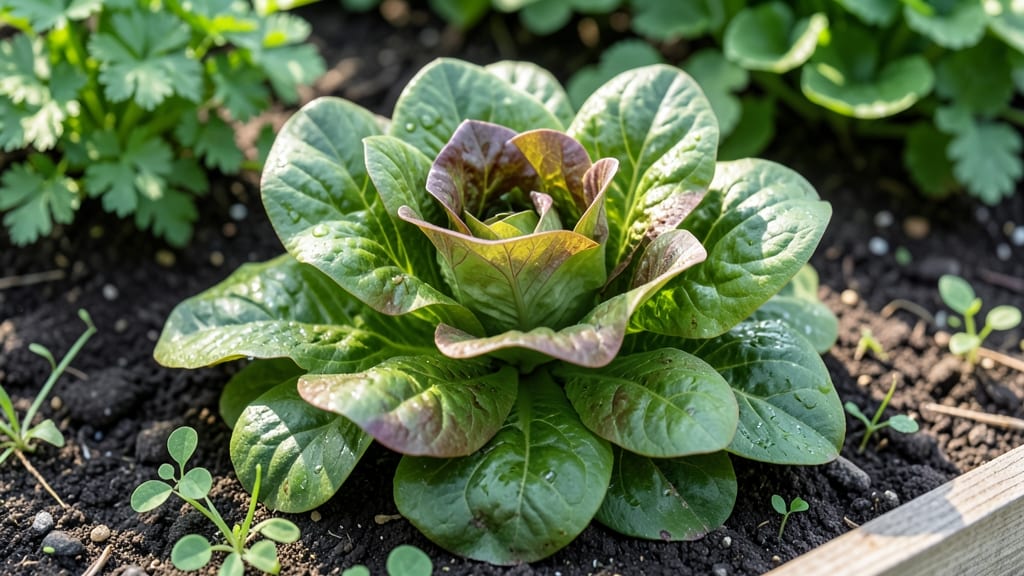
Growing Grand Rapids leaf lettuce through crisp fall air is like cheating winter. 🌿 This cold-resistant variety keeps producing crisp, tender leaves when most gardens have gone quiet—perfect for extending your harvest until first frost or even later with row covers.
The secret to success starts with loose, well-draining soil rich in organic matter. Plant seeds ¼-inch deep, spacing them 6-12 inches apart in rows 12-18 inches apart for easy harvesting.
Unlike heat-loving varieties, Grand Rapids thrives in cooler weather (ideal temps: 50-65°F) and even handles light frosts—just avoid planting in summer heat, which causes bolting.
You’ll harvest your first outer leaves in 3-4 weeks, with continuous production as long as you keep the soil moist and fertilized lightly every 3-4 weeks.
The loose-leaf structure means you can pick what you need without sacrificing the whole plant, and its compact size makes it ideal for containers or small gardens. For best results, protect young plants from slugs and aphids with row covers, and avoid overhead watering to prevent disease.
With this variety, your salad bowl stays stocked long after your neighbors have packed up their tools!
📚 In This Guide
- What you need
- Instructions
- Tips and common mistakes
- Wrapping up and next steps
What you need
- ● Seeds: 1 packet of Grand Rapids leaf lettuce (about 250 seeds, non-GMO preferred).
- ● Growing Space: 6–12 inches of well-draining soil (pH 6.0–7.0).
- ● Container Option: 5–6" deep pots (3–4 plants per 12" pot) or raised beds.
- ● Fertilizer: Balanced organic fertilizer (5-5-5 or 10-10-10) or compost (1–2 cups per planting area).
- ● Mulch: Straw or shredded leaves (1–2 inches) to retain moisture and protect from frost.
- ● Hand Trowel or small garden spade for planting.
- ● Watering Can or hose with a gentle spray nozzle (avoid soaking leaves).
- ○ Gloves (optional but recommended for handling soil/seeds).
- ○ Row Cover or Frost Blanket (optional, for extending late-fall harvests in colder climates).
- ● Sunlight: 4–6 hours of partial shade (especially in hot summers; tolerates light frost).
- ● Watering Schedule: Keep soil consistently moist (1–1.5 inches per week).
- ○ Pest/Disease Prep: Neem oil spray (optional) for aphids or fungal prevention.
Step-by-step guide to growing Grand Rapids leaf lettuce
This cold-hardy variety thrives in crisp fall weather—here’s how to coax sweet, tender leaves until frost.
🌱 Step 1: Select the Perfect Planting Site and Soil
Grand Rapids performs best in partial shade to light shade (4-6 hours of morning sun), especially in late summer when temperatures rise. Choose a spot with well-draining soil—this variety despises soggy roots. Amend heavy clay with 2-3 inches of compost to improve aeration and fertility, since lettuce is a heavy feeder.
Loosen the soil to a depth of 12 inches with a garden fork or tiller. The goal is to create a fluffy, crumbly texture that encourages root penetration. I always test drainage by digging a hole, filling it with water, and waiting—if it drains within an hour, it’s ready. Slow drainage means raising beds or mixing in perlite.
🌱 Step 2: Sow Seeds at the Right Time and Depth
Direct-sow seeds 4-6 weeks before your first fall frost for a harvest window before winter sets in. For Grand Rapids, plant seeds ¼ inch deep and 1 inch apart in rows spaced 12 inches apart. Scatter seeds thinly—I tap the packet gently to release them one by one, then cover lightly with soil to avoid burying them too deep.
Keep the soil surface moist but not saturated until germination. You’ll see sprouts in 7-14 days at soil temperatures between 50-70°F. If seeds take longer, check moisture—dry soil delays germination. Once seedlings reach 2 inches tall, thin them to 6-8 inches apart to reduce competition and improve air circulation.
💧 Step 3: Water and Fertilize for Optimal Growth
Water deeply once a week (or more in hot spells) to encourage deep root growth. Aim for 1 inch of water per week, delivered at soil level to avoid wetting leaves—this prevents fungal diseases like downy mildew. I use a soaker hose or drip irrigation to keep moisture consistent, especially in late-season dry spells.
Side-dress with low-nitrogen fertilizer (like 5-10-10) when seedlings are 3 inches tall and again when they begin bolting. Grand Rapids responds well to a light feeding but won’t tolerate high nitrogen—it causes bitter leaves. Mulch with 1 inch of straw to retain moisture and suppress weeds, which compete for nutrients.
✂️ Step 4: Harvest Strategically for Continuous Yield
Start harvesting outer leaves when they reach 4-6 inches long, cutting just above the base with clean shears. This encourages regrowth and extends the harvest window. For a full head, wait until the plant forms a compact rosette—typically 45-55 days after sowing. Grand Rapids stays crisp and sweet even after light frosts, so don’t rush the harvest.
If bolting occurs (flower stalks appear), harvest immediately—leaves become bitter as the plant shifts energy to seed production. In cold climates, protect plants with frost cloth to extend the season. I’ve kept Grand Rapids producing well into December with minimal protection, making it a reliable late-fall crop.
☀️ Step 5: Protect and Extend the Season
As temperatures drop below 25°F, cover plants with row covers or cold frames to shield them from frost damage. Grand Rapids tolerates light freezes but may turn sluggish in prolonged cold. Remove covers during the day to prevent overheating, and secure edges tightly to avoid wind damage.
For a spring harvest, sow a second crop in early fall—these plants will overwinter and produce again in spring. I’ve had success with Grand Rapids resuming growth as soon as soil temperatures rise above 40°F. Just be patient; spring regrowth can take 2-3 weeks to resume after dormancy.
Tips & tricks for perfect Grand Rapids leaf lettuce
Took me a while to figure these out, so here goes—these tricks will help you grow the sweetest, most resilient Grand Rapids lettuce possible.
Soil Preparation Secret: The 12-inch deep soil loosening is non-negotiable for Grand Rapids. I've found that adding a handful of perlite to heavy clay soils creates those tiny air pockets roots crave, especially in wet fall conditions. Think of it as giving your lettuce lungs—proper aeration prevents root rot and encourages faster growth. If you're in doubt about drainage, do the water test: fill a hole with water and wait. If it drains within an hour, you're golden.
Timing is Everything: Those 4-6 weeks before frost aren't just arbitrary—they're calculated for maximum sweetness. I plant my first batch exactly 5 weeks out, then follow with a second batch 3 weeks later for staggered harvests. The key is monitoring your local frost date and counting backward. Pro tip: Use a seedling heat mat if your soil stays below 50°F—it speeds germination from 14 days to just 7 days.
Harvest Hack: When leaves reach 4-6 inches, I use clean kitchen scissors to snip just above the base at a 45-degree angle. This angle exposes more leaf surface to sunlight, encouraging faster regrowth. And here's what nobody tells you—harvest in the morning after dew has evaporated. The leaves will be crispest and most flavorful, with none of that soggy texture that comes from harvesting after watering.
Cold Protection Strategy: At 25°F, Grand Rapids can handle it, but below that? You need that row cover. I've used both lightweight frost cloth and plastic tunnels—both work, but the cloth breathes better and prevents overheating when temps rise. The trick is securing it tightly at the edges to prevent wind from tearing it. I use landscape staples for a tight seal, and always remove it during the day to let plants breathe.
Pro Tips for Grand Rapids Leaf Lettuce
- Took me a while to figure these out, so here goes—these tricks will help you grow the sweetest, most resilient Grand Rapids lettuce possible.
- Soil Preparation Secret: The 12-inch deep soil loosening is non-negotiable for Grand Rapids.
- Timing is Everything: Those 4-6 weeks before frost aren't just arbitrary—they're calculated for maximum sweetness.
Frequently asked questions
about growing Grand Rapids Leaf Lettuce—especially in late-fall harvests—can help you avoid common pitfalls. Here are answers to the most pressing questions:Is Grand Rapids Lettuce really cold-hardy? How late can I plant it?
Grand Rapids is one of the most cold-resistant lettuces, tolerating light frosts down to 20°F (-7°C). For late-fall harvests, plant 8–10 weeks before your first frost (e.g., mid-August in Zone 5). Use row covers or cold frames to extend the season even further!
What pests or diseases should I watch for in fall?
Common threats include aphids, slugs, and downy mildew. To prevent issues:
- Use neem oil or insecticidal soap for aphids.
- Set out beer traps or diatomaceous earth for slugs.
- Ensure good airflow and avoid overhead watering to deter mildew.
How long does it take to harvest after planting?
For baby leaves, harvest in 30–40 days. For full-sized heads, wait 50–60 days. Check the seed packet for your specific variety’s timeline—some Grand Rapids strains mature faster in cooler weather!
Can I grow Grand Rapids Lettuce in containers or small spaces?
This variety thrives in containers 6–12 inches deep with drainage. Space plants 6–8 inches apart in pots or raised beds. Just ensure they get 4–6 hours of sunlight daily—even partial shade works in late fall.
What if my lettuce bolts or tastes bitter in warm weather?
Bolting (premature flowering) happens when temps rise above 75°F (24°C). To avoid it:
- Plant in late summer or early fall for cooler conditions.
- Use shade cloth (30–50%) if summer heat lingers.
- Harvest outer leaves first to keep the core tender.
Wrapping up and next steps
Growing Grand Rapids Leaf Lettuce in late-fall harvests is a rewarding way to extend your garden’s productivity—even when temperatures drop! 🌱 This cold-resistant variety not only thrives in cooler weather but also delivers crisp, flavorful leaves packed with nutrients.
With the right materials, proactive pest/disease management, and a little patience, you’ll enjoy a bountiful harvest long after other crops have faded.
Ready to take the next step? Start small—plant a few seeds this season and experiment with protective measures like row covers or shade cloth. Your future salads (and dinner guests) will thank you!