
Tools
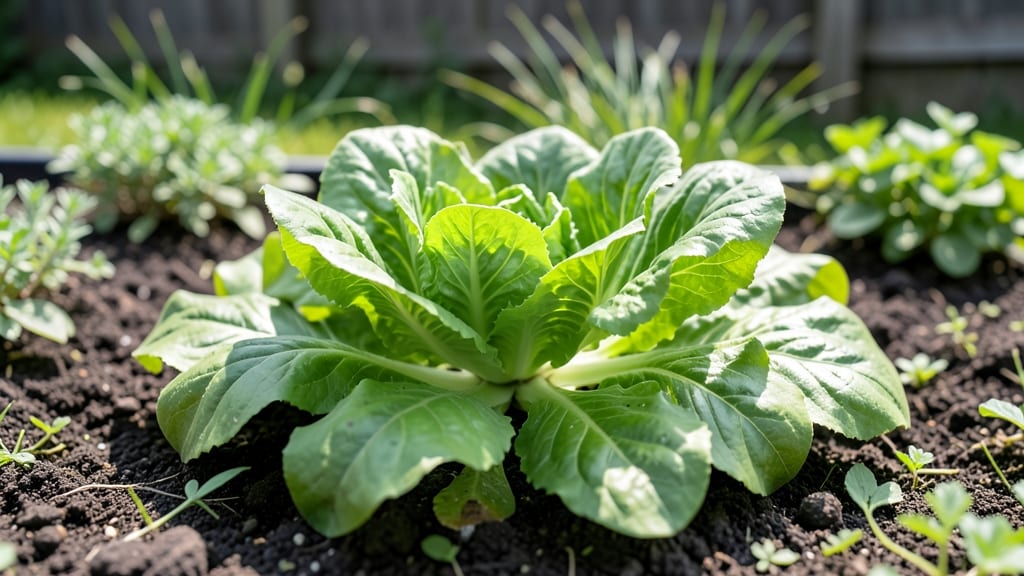
Growing garden life green leaf lettuce in 30 days feels like cheating—until you try it. 🌱 That first harvest of tender, slightly bitter leaves, still clinging to their firm stems, is the closest thing to magic in a home garden.
I’ve grown this variety for years, and it’s the one that finally convinced my skeptical city-dwelling friends that gardening isn’t just for farmers. The secret lies in cool weather and consistent moisture—no fancy equipment needed.
You’ll need a sunny spot (or a grow light), well-draining soil, and patience for just a month. Even if you’ve killed other greens before, lettuce is the plant that forgives mistakes. My first batch last spring bolted because I forgot to shade it during a heatwave, but the second try?
Perfectly crisp stems and all. By day 28, you’ll be harvesting enough for salads that make grocery-store greens look sad. The flavor is bold, slightly peppery, and packed with texture—nothing like the wilted bags from the store. Plus, it grows so fast you’ll feel like you’re cheating the system.
Works for spring and fall planting in most temperate zones, even in containers. Here’s how to make it work without the guesswork.
📚 In This Guide
- What you need
- Instructions
- Tips and common mistakes
- Wrapping up and next steps
What you need
- ● Seeds: 1 packet (50-100 seeds) of Lactuca sativa (green leaf lettuce variety). Look for organic, non-GMO seeds for the best results.
- ● Growing Containers: Option 1: Garden Bed – 12" x 12" plot (or larger) with well-draining soil.
- ● Option 2: Containers – 2-3 pots (10-12" diameter) with drainage holes.
- ● Soil: 1 bag (1.5-2 cubic feet) of lightweight potting mix or loamy garden soil (amend with compost for nutrients).
- ● Compost: 1-2 cups of well-aged compost or organic fertilizer (5-10-10 ratio).
- ● Watering Can or Hose: With a gentle spray nozzle for even moisture.
- ○ Gloves & Hand Trowel: For planting and soil prep (optional but helpful!).
- ● Row Covers or Mesh: To protect seedlings from pests like aphids or rabbits.
- ● Organic Mulch: Straw or shredded leaves to retain moisture and suppress weeds.
- ● pH Test Kit: To ensure soil pH is between 6.0-7.0 (ideal for lettuce).
- ● Seedling Heat Mat: If starting indoors in cooler climates (70-75°F is ideal).
- ● Lettuce Grow Lights: For indoor setups (12-14 hours of light daily).
Step-by-Step instructions for growing crisp garden life green leaf lettuce
Here's how I grow lettuce so crisp and flavorful it tastes like it just came from the farmers' market—ready in just 30 days.
🌱 Step 1: Prepare the Perfect Soil and Planting Site
Lettuce thrives in loose, nutrient-rich soil that drains well but holds moisture. I mix 2 parts potting soil with 1 part compost to give those tender roots everything they need. Avoid garden soil that's too dense—it'll compact and stunt growth. Work the mix into a 6-inch deep bed or fill containers with at least 8 inches of depth.
Choose a spot with partial shade during the hottest afternoon hours—direct sun wilts lettuce fast. If you're planting in spring or fall, morning sun with afternoon shade works perfectly. Test the soil pH—lettuce prefers 6.0-7.0. If your soil runs acidic, add a handful of lime per square foot to sweeten it up.
🌱 Step 2: Sow Seeds at the Right Depth and Spacing
Scatter seeds ¼ inch deep—any deeper and they'll struggle to push through. I like to sow in rows 12 inches apart to give plants room to spread. For a continuous harvest, make successive plantings every 2 weeks after the first batch. Thin seedlings to 6 inches apart once they have 2 true leaves—this prevents overcrowding and bolting.
Don't rush thinning! Use sharp scissors to snip unwanted seedlings at soil level. Those baby leaves make great salad greens. Water gently after sowing to settle the seeds—you'll see sprouts in 7-14 days depending on temperature. If seeds take longer than 2 weeks to germinate, keep the soil moist and check for mold or pests.
💧 Step 3: Water Consistently Without Overdoing It
Lettuce needs 1-1.5 inches of water weekly, but consistency matters more than quantity. I water deeply in the morning so leaves dry quickly—this prevents fungal diseases. Let the top ½ inch of soil dry between waterings, but never let it get bone dry. Mulch with 1 inch of straw to lock in moisture and keep roots cool.
Here's the thing—lettuce hates soggy feet. If your soil drains poorly, raise beds or use containers with drainage holes. You'll know you're nailing the water balance when leaves stay crisp and upright, not wilting or turning yellow. Avoid overhead watering after lunch—wet leaves in hot sun invite slugs and mildew.
☀️ Step 4: Protect from Heat and Bolting
When temperatures creep above 75°F, lettuce bolts (goes to seed) faster than you can say "bitter greens." I use shade cloth (30-50%) during peak summer hours to keep leaves tender. For spring/fall crops, aim for 50-60°F days and 40-50°F nights—these temps produce the sweetest flavor.
Watch for bolting signs: tall stems shooting up or bitter-tasting leaves. If this happens, harvest immediately or pull the plant. To extend the season, try succession planting in late summer for a fall harvest. You'll get crisp, flavorful lettuce when you keep temps cool and consistent—no sudden heat spikes.
✂️ Step 5: Harvest at Peak Crispness
Green Leaf lettuce is ready to harvest when leaves reach 4-6 inches tall, usually 30-40 days after sowing. Cut outer leaves first, leaving the inner rosette to regrow. This "cut-and-come-again" method gives you 3-4 harvests per planting. For baby leaves, harvest when they're 2-3 inches tall—they're sweeter and more tender.
Harvest in the morning when leaves are cool and crisp. Rinse gently under water, then spin dry or pat with a towel. Store in a plastic bag in the fridge for up to 1 week. You'll know you've timed it right when leaves snap cleanly and taste fresh, not bitter. For continuous harvests, keep sowing every 2 weeks through early fall.
Tips & tricks for perfect garden lettuce growth
These simple strategies will help you avoid common pitfalls and grow lettuce that's crisp enough to stand up to any salad.
Soil Mix Matters: That 2 parts potting soil to 1 part compost ratio in Step 1 is non-negotiable for crisp stems. I've found adding a handful of perlite to the mix improves drainage even more—just stir it in before planting. This prevents soggy roots while keeping moisture where it's needed. The key is that loose, airy texture that lets roots breathe without drying out.
Timing Secret: When you're thinning seedlings in Step 2, wait until they have those 2 true leaves but are still small—around 2 inches tall. This gives you the perfect window to harvest those baby leaves while still leaving enough growth to establish the main plant. I use a pair of clean kitchen scissors for this because they cut cleanly without crushing stems, which reduces stress on the remaining plants.
Heat Defense Strategy: For those summer plantings, I've had the most success with 50% shade cloth rather than the full 30-50% range mentioned in Step 4. The extra coverage prevents that sudden heat spike that triggers bolting. You'll notice the difference immediately—the leaves stay tender and sweet rather than developing that bitter edge. Just remember to remove it completely in fall when temperatures drop below 75°F.
Harvest Hack: In Step 5, when harvesting those outer leaves, leave at least 1 inch of growth on the inner rosette. This ensures the plant has enough energy to regrow. I've found that harvesting in the morning gives you the crispest leaves—there's less moisture loss from the plant overnight. Store your harvested leaves in a plastic bag with a paper towel to absorb any excess moisture and keep them crisp for days.
Pro Tips for Garden Life Green Leaf Lettuce
- These simple strategies will help you avoid common pitfalls and grow lettuce that's crisp enough to stand up to any salad.
- Soil Mix Matters: That 2 parts potting soil to 1 part compost ratio in Step 1 is non-negotiable for crisp stems.
- Timing Secret: When you're thinning seedlings in Step 2, wait until they have those 2 true leaves but are still small—around 2 inches tall.
Frequently asked questions
How long does it take to harvest Garden Life Green Leaf Lettuce?
This variety thrives fast—expect 30 to 40 days from seed to harvest for baby leaves, or 50 to 60 days for full-sized heads. For continuous harvests, sow seeds every 2–3 weeks in spring or fall. Pro tip: Thin seedlings to 6–8 inches apart to avoid overcrowding and speed up growth!
Can I grow Garden Life Green Leaf Lettuce year-round?
Not quite! Lettuce prefers cool weather (45–75°F). In hot climates, it bolts (goes to seed) quickly. For year-round success:
- Plant in early spring or late summer.
- Use shade cloth (30–50%) in peak summer.
- Try container growing for mobility—move pots to shaded spots when temps rise.
What’s the best soil mix for Garden Life Green Leaf Lettuce?
This lettuce loves well-draining, nutrient-rich soil with a pH of 6.0–7.0. Mix 50% garden soil with 50% compost or peat moss, and add a balanced fertilizer (10-10-10) at planting. For containers, use lightweight potting mix with perlite for aeration. Pro tip: Amend clay soil with sand or coconut coir to prevent compaction.
Why are my lettuce leaves turning yellow or bitter?
Yellowing leaves often signal overwatering, nutrient deficiency, or heat stress. Bitter flavor? Likely due to:
- Heat stress (above 75°F)—provide afternoon shade.
- Nitrogen deficiency—feed with compost tea or a low-nitrogen fertilizer.
- Bolting (long daylight hours)—harvest outer leaves first to slow maturity.
Can I grow Garden Life Green Leaf Lettuce indoors?
Use a sunny windowsill (south-facing) or grow lights (12–14 hours/day). Choose a 6–8 inch deep container with drainage holes, and keep temps between 60–65°F. Mist leaves daily to boost humidity. Pro tip: Rotate containers weekly for even growth—indoor lettuce can get leggy without proper light!
Wrapping up and next steps
Growing your own garden life green leaf lettuce is a rewarding journey that delivers crisp, flavorful harvests in just 30 days! With the right soil, sunlight, and care, you’ll enjoy fresh greens straight from your backyard—no grocery store required. 🌱
Ready to take the next step? Start by planting your seeds this week and watch your garden transform into a vibrant, edible oasis. Happy growing!