
Companion Plants
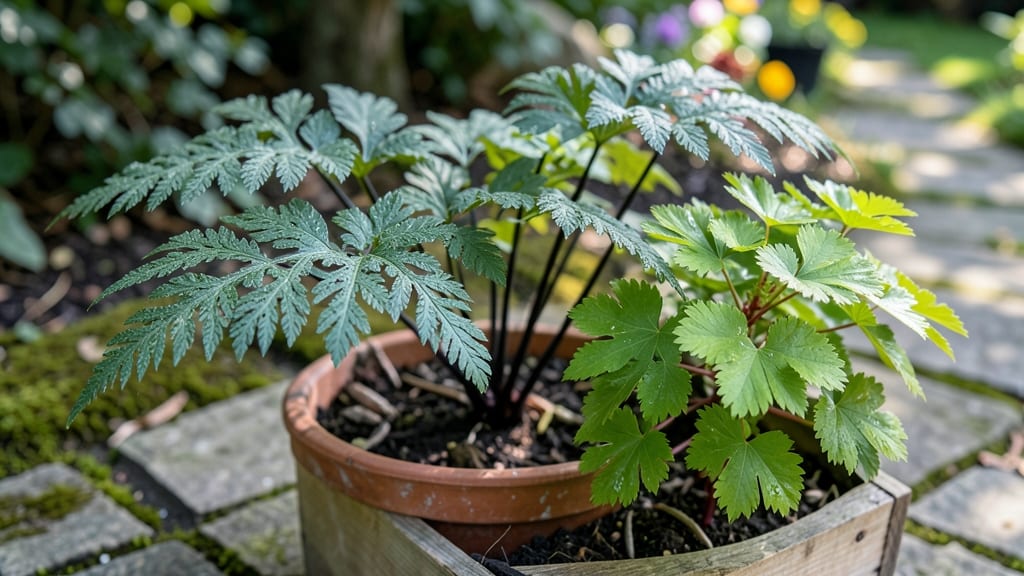
That five-leafed plant with thorns you’ve been admiring might be a staghorn sumac—or its close relative, the prickly ash. 🌿 I’ve grown both in containers for years, and their bold foliage and striking bark make them standout plants, even if their thorns demand respect.
They thrive in full sun to partial shade and tolerate poor soil better than most plants. Water them deeply once a week in summer, letting the top inch dry out between waterings—overwatering is their biggest enemy. The key to keeping them healthy?
Well-draining soil and a container with drainage holes to prevent root rot. Once established, these plants become drought-tolerant powerhouses, their leaves turning fiery red in fall. Prune in late winter to shape them and remove dead branches, but avoid heavy pruning—they reward patience with vibrant new growth every spring.
If you’re growing indoors, place them near a south-facing window and mist the leaves occasionally. Outdoors, they handle heat and cold surprisingly well, making them a low-maintenance addition to any garden. Just keep those thorns in mind when reaching for pruners!
Understanding Thorny Leaf Growth
The striking five-leaf plant with thorns (often Gymnocladus dioicus or Mucuna species) develops its signature prickly foliage as a natural survival mechanism. While its lush, compound leaves add visual drama, those thorns aren’t just for show—they serve critical functions rooted in botany and ecology.
Let’s break down the science behind why these plants grow so defensively, and how environmental cues trigger their spiky armor.
Thorns in five-leaf plants are hardwired into their DNA, passed down through generations as an evolutionary advantage. Plants like Gymnocladus dioicus (the Kentucky coffee tree) evolved in wild, untamed landscapes where herbivores—deer, rabbits, or insects—pose constant threats.
Their genetic code prioritizes thorn production because: - Thorns deter grazing: Animals avoid plants with sharp protrusions, leaving them undisturbed to grow and reproduce. - Leaf structure matters: The five distinct leaflets (palmately compound) maximize surface area while thorns act as physical barriers around vulnerable stems and buds. - Species-specific adaptations: Some thorny varieties (like Mucuna pruriens) also produce irritating hairs alongside thorns, doubling down on defense.
Pro Tip: 🌡️ If you’re growing a thorny cultivar, select disease-resistant varieties—their genetic thorniness often correlates with stronger overall resilience.
Plants don’t grow thorns just because—they respond to stress signals from their surroundings. When conditions become challenging, hormones like ethylene and jasmonic acid kick into gear, prompting thorn development.
Common stressors include: - Poor soil nutrition: Low nitrogen or phosphorus forces the plant to redirect energy toward defensive structures (thorns) instead of leaves or flowers. - Fix: Test soil pH (ideal: 6.0–7.0) and amend with compost or balanced fertilizer (10-10-10) to reduce stress. - Overcrowding or root competition: When roots tangle with neighbors, the plant perceives limited resources and grows thorns to protect its territory. - Fix: Prune nearby plants to give your five-leaf specimen at least 10–15 feet of space in the ground or 3–4 inches of depth in containers. - Drought or inconsistent watering: Water stress triggers abscisic acid, a hormone that signals the plant to conserve water—often by producing thorny, waxy leaves that reduce transpiration. - Fix: Water deeply 1–2 times per week (containers dry faster!) and use mulch to retain moisture.
Thorns are nature’s security system. When pests or animals target a plant, it ramps up thorn production as a last-resort defense. For example: - Insect infestations: Chewing pests (like Japanese beetles or caterpillars) release damage-associated molecular patterns (DAMPs), which the plant detects as an attack.
It responds by thickening cell walls and growing thorns near damaged areas. - Action: Inspect leaves weekly for eggs or larvae.
Use neem oil (mix 2 tbsp/gal water) to deter soft-bodied pests without harming the plant. - Large herbivores: Deer or rabbits might nibble young shoots, prompting the plant to increase thorn density in subsequent growth.
This is why container-grown specimens often develop more aggressive thorns—they’re "learning" to protect themselves. - Solution: Install chicken wire barriers around young plants or opt for thornier cultivars (like Gymnocladus dioicus ‘Variegata’) if deer are a local nuisance.
Believe it or not, heat and sunlight can influence thorn growth.
Plants in hot, sunny climates (USDA Zones 4–9) often develop longer, sharper thorns because: - UV radiation stress: High sunlight increases reactive oxygen species (ROS), which the plant neutralizes by producing lignified thorns (woodier and tougher). - Temperature fluctuations: Rapid shifts (e.g., cold nights + hot days) can stunt growth and trigger defensive responses, including thorns. - Adjustments: - Provide afternoon shade in intense heat (use 30% shade cloth). - Acclimate container plants gradually to outdoor temps to avoid shock.
Ironically, how you care for the plant can encourage thorniness.
Frequent pruning or rough handling sends mixed signals: - Over-pruning: Cutting back too aggressively (especially in early spring) can stress the plant, leading to compensatory thorn growth. - Best Practice: Prune only after flowering (if applicable) and never remove more than 1/3 of the foliage at once. - Physical damage: Dropping tools or rubbing branches can create wound sites, which the plant seals with thorny calluses. - Fix: Use sterilized pruners and wear gloves when handling thorny varieties.
Potted five-leaf plants face unique challenges that amplify thorn production:
- Root-bound conditions: Circling roots signal resource scarcity, prompting thorny growth to "conserve" what little water/nutrients are available.
- Solution: Repot every 2–3 years into a 1–2 inch larger container with well-draining soil (mix garden soil + perlite).
- Limited airflow: Containers can trap humidity, encouraging fungal stress (like powdery mildew), which the plant counters with thorny, waxy leaves.
- Fix: Elevate pots on feet and space them 12+ inches apart for airflow.
Thorns aren’t a flaw—they’re a smart survival strategy. By addressing nutritional gaps, pest pressure, and environmental stressors, you can help your five-leaf plant grow stronger, not spikier. Monitor its signals (yellowing leaves? New thorns?) and adjust care accordingly!
Need a deeper dive? Check out [this study on plant defense mechanisms](https://www.ncbi.nlm.nih.gov/pmc/articles/PMC6201230/) for the science behind it all.
Quick Fixes for Thorny Plant Troubles
Got a Gynura aurantiaca (aka five-leaf plant with thorns) that’s acting up? Whether it’s leggy, dropping leaves, or struggling with pests, these practical solutions will get your prickly beauty back on track—fast. Below, we’ve mapped common issues to easy fixes, plus prevention tips to keep your plant thriving long-term.
Cause: Too little light or overcrowded roots. Fix: 🔥 Trim and Propagate
- Use clean scissors to snip 4–6 inch stem cuttings just below a leaf node.
- Remove lower leaves, leaving 2–3 at the top, and place the cutting in water or moist soil.
- In 2–3 weeks, roots should form! Repot the new plant to encourage bushier growth.
🌡️ Boost Light Exposure
- Move your plant to a bright, indirect light spot (east or west-facing windowsill works best).
- If natural light is limited, supplement with a grow light (12–14 hours/day).
- Pro Tip: Rotate the pot weekly so all sides get even light—this prevents lopsided growth.
✨ Prevention:
- Repot every 12–18 months to refresh root space.
- Choose a container with drainage holes to avoid soggy soil (a common cause of legginess).
Cause: Overwatering, underwatering, or root rot. Fix: 💧 Check the Soil First
- Stick your finger 1–2 inches deep into the soil. If it’s damp, wait to water. If dry, give it a thorough soak.
- Watering Rule: Only water when the top inch of soil is dry. These plants prefer moderate moisture—never soggy!
🔪 Revive Stressed Roots
- If the soil smells foul or the pot feels heavy (signs of rot), repot immediately in fresh, well-draining soil.
- Trim any black or mushy roots with sterilized scissors before repotting.
🌡️ Adjust Humidity
- Brown leaf edges? Your plant might need higher humidity (40–60% ideal).
- Place the pot on a pebble tray with water or mist leaves lightly (avoid over-misting to prevent fungal issues).
✨ Prevention:
- Use a terracotta pot—it wicks away excess moisture better than plastic.
- Bottom-water occasionally: Place the pot in a tray of water for 10 minutes, then drain.
Cause: Dry air, weak plant stress, or poor hygiene. Fix: 🍳 Isolate and Inspect
- Move the plant away from others to prevent spreading.
- Wipe leaves with a soapy water solution (1 tsp mild dish soap per quart of water) using a soft cloth or sponge.
👨🍳 Targeted Treatments
- For spider mites: Spray with neem oil (1 tbsp per quart of water) weekly until gone. Repeat every 3 days for severe infestations.
- For mealybugs: Dab cotton swabs dipped in rubbing alcohol (70% isopropyl) directly on pests.
🌿 Encourage Beneficial Bugs
- Release lacewings or ladybugs near the plant—they eat pests naturally!
- Pro Tip: Place a sticky trap near the plant to monitor for future outbreaks.
✨ Prevention:
- Quarantine new plants for 2 weeks before introducing them to your collection.
- Keep leaves dust-free with a damp cloth—dust blocks light and stresses the plant.
Cause: Nutrient deficiency, root-bound pot, or lack of pruning. Fix: 📊 Fertilize Lightly
- Use a balanced liquid fertilizer (10-10-10 or 20-20-20) once a month during spring and summer.
- Half-strength is enough—over-fertilizing burns roots!
🔄 Prune for Bushiness
- Cut back overly long stems by ⅓ to encourage branching.
- Pinch off the tips of new growth to prompt fuller foliage.
🏺 Upgrade the Pot
- If roots are circling the bottom, move to a pot 1–2 inches wider.
- Pro Tip: Use a well-draining mix (cactus/succulent soil + perlite) to prevent compaction.
✨ Prevention:
- Rotate the pot monthly for even growth.
- Avoid cold drafts (like AC vents)—they shock the plant and halt growth.
Cause: Overcrowding or excessive sunlight. Fix: 🌞 Adjust Light Conditions - If thorns are sharp and dense, the plant may be craving more light (paradoxically!).
Move it to a brighter spot but avoid harsh direct sun (which can scorch leaves). - Variegated varieties need even more light to maintain their colors.
🌱 Prune Strategically
- Trim back overly thorny stems to encourage softer, leafier regrowth.
- Wear gardening gloves—those thorns are no joke!
✨ Prevention:
- Deadhead spent flowers to redirect energy into foliage.
- Avoid over-fertilizing with nitrogen—it promotes leafy growth but can make thorns more pronounced.
Final Thought: 🎯 Patience is key! Five-leaf plants are resilient—with the right care, they’ll bounce back faster than you think. Try one fix at a time, observe changes, and adjust as needed. Happy growing!
Frequently asked questions
What's the difference between staghorn sumac and prickly ash?
Both have five-leaf clusters but belong to different families. Staghorn sumac (Rhus typhina) grows 3-6 feet tall, thrives in full sun, and produces bright red berry clusters in fall. Prickly ash (Zanthoxylum americanum) is smaller (6-12 feet), prefers partial shade, and has toothed leaves with spicy-tasting bark. Both are thorny but serve different garden purposes!
Are these plants safe for pets?
No, they're toxic to pets if ingested. The thorns alone deter chewing, but all parts contain saponins that can cause mouth irritation, vomiting, or diarrhea in dogs and cats. Keep them out of reach of curious paws and beak!
How do I handle the thorns when pruning?
Always wear heavy-duty gardening gloves and use long-handled pruners. Cut just above a leaf node at a 45-degree angle to encourage new growth. For stubborn branches, wrap them in duct tape before cutting to prevent accidental pokes. Disinfect tools with rubbing alcohol between cuts to prevent disease.
Can I grow these in containers?
Use a 15-20 gallon container with drainage holes and a mix of 60% potting soil, 30% perlite, and 10% compost. Water deeply once a week in summer, letting the top 2 inches dry out between waterings. Container plants may develop denser thorns due to root restriction—repot every 2-3 years.
Why are my plant's thorns getting longer?
Longer thorns usually indicate stress from drought, poor nutrition, or overcrowding. Check soil moisture (should be moderately dry), fertilize lightly with balanced 10-10-10, and ensure 6+ hours of sunlight daily. If growing in containers, roots may be circling—repot into a larger pot with fresh soil.