
Leaf Blower
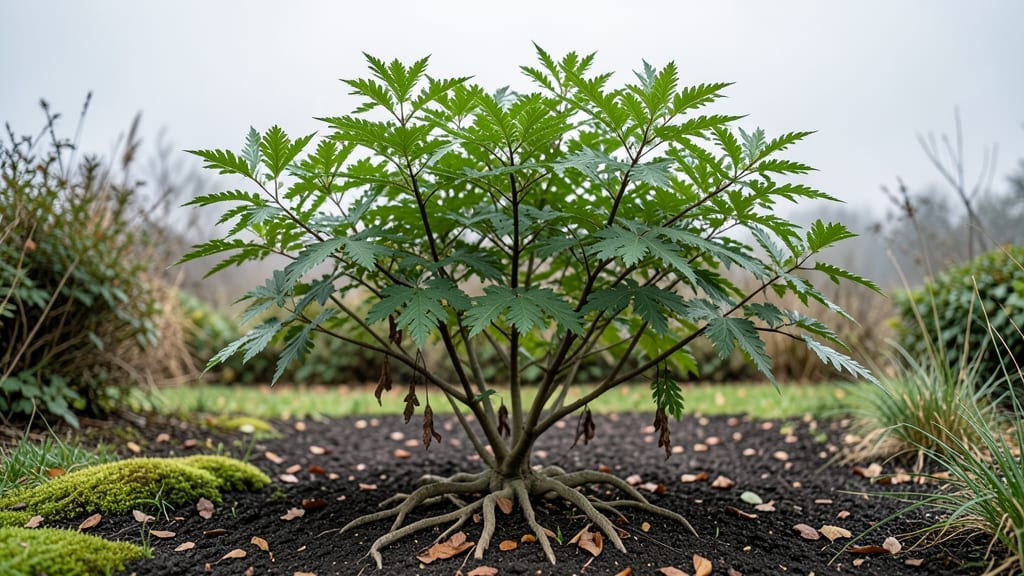
Fern leaf buckthorn thrives in winter with its frost-resistant foliage that stays lush even when temperatures drop below zero. 🌿 I’ve grown this plant for years, and its ability to handle winter conditions without browning or damage is nothing short of impressive—it’s the backbone of my winter garden structure.
The secret lies in its evergreen nature, which means no bare branches or dead foliage to clean up. A light mulch around the base in late fall helps protect roots, and pruning in early spring keeps it tidy without stressing the plant.
Unlike many shrubs, it doesn’t need winter wraps or extra protection—just a little care to keep it looking its best.
📚 In This Guide
- What you need
- Instructions
- Tips and common mistakes
- Wrapping up and next steps
What you need
- ● Fern leaf buckthorn plants: 1–3 (depending on desired size; opt for Rhamnus frangula 'Aspleniifolia' for classic fern-like foliage).
- ● High-quality soil: 5–10 cubic feet of well-draining, slightly acidic soil (pH 5.0–6.5). Mix in compost (2–3 gallons) for nutrients.
- ● Mulch: 3–5 bags of organic mulch (e.g., shredded bark or pine straw) to insulate roots.
- ● Fertilizer: Slow-release balanced fertilizer (10-10-10 or 20-20-20, 1–2 lbs per plant) for early spring feeding.
- ● Hand trowel or spade: For planting and soil amendments.
- ● Garden gloves: 1 pair (to protect hands from thorns and soil).
- ● Pruning shears: Sharp, bypass pruners (for shaping in late winter/early spring).
- ○ Leaf blower: Optional but handy for clearing fallen leaves/debris (especially in dense plantings).
- ● Watering can or hose with nozzle: For deep watering (1–2 gallons per plant, 2–3 times weekly in dry spells).
- ● Burlap or frost cloth: 1–2 rolls (to wrap young plants if temps dip below -10°F).
- ● Anti-desiccant spray (e.g., Wilt-Pruf): 1 bottle (applied in late fall to prevent winter burn).
- ● Stakes or plant supports: 2–4 (if planting in windy areas to prevent swaying).
How to care for fern leaf buckthorn through winter
This hardy shrub thrives in cold climates—here's how to keep it looking its best when everything else sleeps.
🌿 Step 1: Understand Its Natural Winter Adaptations
Fern leaf buckthorn (Rhamnus frangula) keeps its glossy evergreen foliage all winter, making it a standout structural plant. The reason it survives frost is its thick, leathery leaves that resist desiccation. Unlike deciduous shrubs, it doesn’t need winter protection—just proper placement and occasional checks.
Look for signs of stress: brown leaf edges or curled foliage usually mean it’s too exposed to drying winds. If you planted it last year, its root system may not be fully established yet, so monitor soil moisture during dry winter spells. I’ve seen mature specimens handle -20°F with no issues, but young plants benefit from a little extra care.
☀️ Step 2: Position for Winter Sun and Shelter
Even evergreens need protection from harsh winter sun, which can scorch leaves. Place your buckthorn where it gets morning sun but afternoon shade—especially if you’re in a windy area. A north-facing wall or evergreen neighbor provides natural windbreak while allowing light penetration.
If your yard has exposed, windy spots, consider adding a temporary burlap windscreen on the west side. I’ve used this for newly planted shrubs in my zone 5 garden, and it makes a noticeable difference in leaf retention. Watch for snow accumulation on branches—heavy loads can cause breakage, so gently brush off excess snow when storms pass.
💧 Step 3: Adjust Watering for Winter Conditions
Most evergreens need less water in winter, but buckthorn’s shallow root system means it can still dry out during dry spells. Water only when the soil feels dry 2-3 inches down—use your finger to check, as visual cues can be misleading under snow. I’ve found that mulching with 2-3 inches of shredded bark around the base helps retain moisture and insulate roots.
Avoid watering if temperatures are forecasted to drop below 25°F that night—wet foliage can freeze and damage leaves. If your area gets icy conditions, a light application of anti-desiccant spray (like Wilt-Pruf) can help prevent winter burn on new growth.
✂️ Step 4: Prune Strategically in Late Winter
The best time to prune buckthorn is February or early March, before new growth begins. Remove any dead, damaged, or crossing branches first—these are easy to spot against the winter backdrop. Then shape lightly to maintain your desired form, cutting just above a leaf bud at a 45-degree angle.
Here’s the thing—I avoid heavy pruning in winter because it exposes fresh growth to late frosts. Instead, I focus on cleaning up the structure. If you notice any stems with brown, mushy areas (a sign of canker disease), prune those out immediately and sterilize your tools with rubbing alcohol between cuts.
🌱 Step 5: Fertilize and Prepare for Spring Growth
Wait until late February or early March to apply a balanced, slow-release fertilizer (like 10-10-10) to encourage new growth. The roots are still somewhat dormant, so they won’t absorb nutrients yet—but having them available when growth resumes makes a big difference. I like to mix the fertilizer into the top 2 inches of soil rather than top-dressing.
This is also the time to check for pests like scale insects, which can hide under old leaf litter. A strong spray of water from the hose often dislodges them, but if you see heavy infestations, treat with horticultural oil in 50°F or warmer weather. Healthy buckthorn handles pests well, but early intervention prevents winter stress from turning into bigger problems.
Tips & tricks for perfect fern leaf buckthorn winter care
Here's what nobody tells you about keeping your evergreen standout thriving when the ground freezes.
Cold Hardiness Reality: While mature fern leaf buckthorn handles -20°F like a champ, young plants need extra attention. I've seen first-year specimens survive -10°F just fine, but anything colder risks winter burn. If you're in zone 5 or colder, consider wrapping young plants in burlap during extreme cold snaps—it's a simple trick that prevents leaf scorch without smothering the plant.
Winter Sun Strategy: That afternoon sun in Step 2 can be a double-edged sword. I've noticed buckthorn in my zone 6 garden actually benefits from a bit of winter sun exposure—it helps prevent that "winter lethargy" look. But if your winters are particularly harsh (below -10°F), move potted specimens to a sheltered location during the coldest months. The key is balance: morning sun for energy, afternoon shade for protection.
Snow Management: Heavy snow accumulation on branches can cause breakage, but don't rush to remove it all. Instead, use a broom to gently tap snow off—this prevents sudden weight shifts that can snap stems. I've found that mature plants handle snow better than young ones, so prioritize protecting newly planted specimens during heavy snowfalls. A quick visual check after storms can save you from springtime pruning headaches.
Pruning Precision: When you're shaping in Step 4, pay special attention to those 45-degree angle cuts. This isn't just aesthetic—it creates a larger wound surface that heals faster. I've seen pruning wounds take months to heal if cut straight across, leaving plants vulnerable to disease. Sterilize your tools between cuts with rubbing alcohol (as mentioned), but also wipe down the branch surfaces with a clean cloth to remove any sap that could harbor bacteria.
Pro Tips for Fern Leaf Buckthorn In Winter
- Here's what nobody tells you about keeping your evergreen standout thriving when the ground freezes.
- Cold Hardiness Reality: While mature fern leaf buckthorn handles -20°F like a champ, young plants need extra attention.
- Winter Sun Strategy: That afternoon sun in Step 2 can be a double-edged sword.
Frequently asked questions
about fern leaf buckthorn in winter—because even frost-resistant plants need a little extra care! Here are the answers to your top questions:Can fern leaf buckthorn survive freezing temperatures?
This hardy shrub thrives in USDA zones 3-7 and handles winter temps down to -30°F (-34°C). Its evergreen-like foliage stays greenish-brown all season, adding year-round structure to your landscape. Just ensure it’s planted in well-draining soil to avoid root rot from winter moisture.
Should I prune fern leaf buckthorn in winter?
Winter is a great time to prune! Lightly shape the shrub after the first frost but before spring growth begins. Focus on removing dead, crossing, or overcrowded branches to improve airflow. Avoid heavy pruning—this shrub blooms on old wood, so preserve its natural form for spring flowers.
Does fern leaf buckthorn lose its leaves in winter?
Nope! While it’s not a true evergreen, its fern-like leaves turn a soft bronze or gray-green in winter, staying attached. This makes it a fantastic low-maintenance alternative to boxwoods or holly. Just brush off snow to prevent leaf damage.
Are there pests or diseases to watch for in winter?
Fern leaf buckthorn is highly resistant to pests and diseases, but check for scale insects or spider mites under leaves. If you spot them, hose off the shrub in early spring. Mulch around the base to deter rodents and improve insulation during cold snaps.
Can I plant fern leaf buckthorn in late fall or winter?
Yes! Planting in late fall or early winter (before the ground freezes) gives roots time to establish before spring growth. Water deeply after planting, then mulch to protect roots. Avoid planting in extreme cold—wait until temps stabilize above 20°F (-7°C) for best success.
What’s a good winter alternative if fern leaf buckthorn isn’t available?
Try these frost-tolerant, low-maintenance shrubs:
- Dwarf ninebark (Physocarpus) – Tough, colorful stems, zones 3-8.
- Inkberry holly (Ilex glabra) – Evergreen, berries for wildlife, zones 5-9.
- Spirea (Spiraea) – Fast-growing, cold-hardy, zones 3-8.
Wrapping up and next steps
Fern leaf buckthorn is a standout winter star in your garden, offering year-round structure, vibrant color, and low-maintenance resilience—even when frost paints the landscape white. 🌿❄️ Whether you’re trimming for shape, protecting it from harsh winds, or simply admiring its evergreen charm, this hardy shrub proves that winter doesn’t have to mean dull.
Ready to elevate your outdoor space? Grab your leaf blower and give your buckthorn the care it deserves—your winter garden will thank you!