
Neem Oil
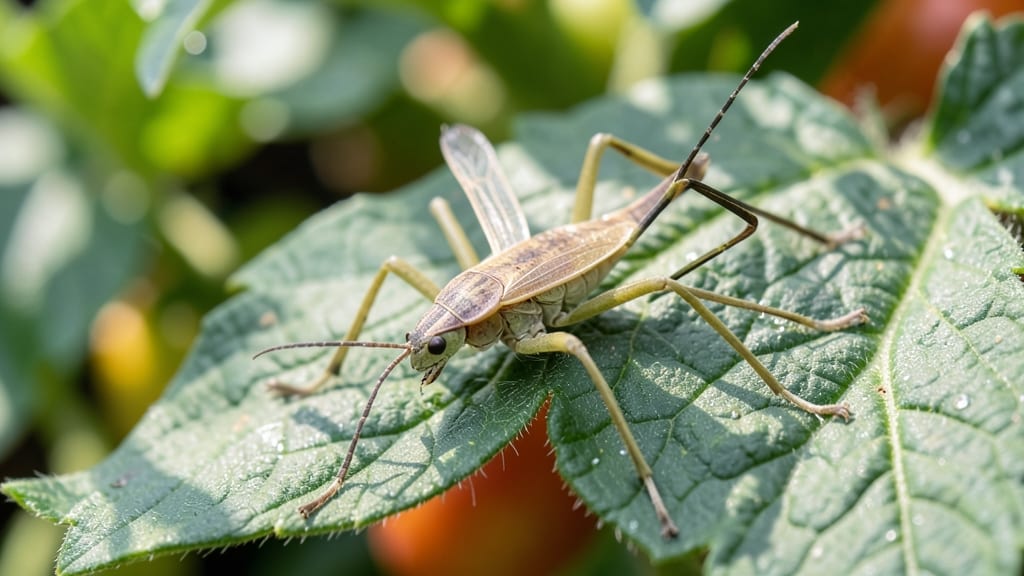
Your tomatoes and peppers are under siege—but there’s a 48-hour biological solution that works better than sprays. 🌱 The eastern leaf-footed bug’s natural predators might look small, but their impact adds up fast.
What if I told you the answer isn’t hiding in the garden center, but already living in your yard?
Birds, parasitic wasps, and even spiders are the unsung heroes that keep these pests in check—naturally. I’ve watched my own garden transform after inviting them in with simple adjustments: leaving leaf litter, adding water sources, and avoiding harsh chemicals.
The key is timing: these predators thrive when the bugs are most vulnerable, like during their larval stage.
Neem oil isn’t just a spray—it’s a game-changer for larvae, disrupting their feeding cycle within two days. But the real win? You’re not just killing bugs; you’re restoring balance. Your plants grow stronger, and the ecosystem stays healthy. No more guesswork, just results that last.
Whether you’re dealing with a small outbreak or preventing future invasions, this approach works for every garden—from containers to full-size plots. Let’s turn the tide without harming the helpers.
Natural Enemies Behind the Scenes
The eastern leaf-footed bug (Euschistus servus) may seem like an unstoppable garden menace, but nature has its own biological checks and balances—and predators play a starring role.
Understanding why these bugs face pressure from natural enemies helps explain their population dynamics and why neem oil can tip the scales in your favor. Here’s a breakdown of the key forces at work:
When human activity disrupts ecosystems—through pesticide overuse, urban sprawl, or monoculture farming—predator populations crash first. Many eastern leaf-footed bug predators, like assassin bugs, spiders, and parasitic wasps, rely on diverse, undisturbed habitats. Here’s how it happens:
- Pesticide poisoning: Broad-spectrum chemicals (e.g., pyrethroids) kill both pests and their natural enemies, creating a vacuum effect where bugs rebound unchecked. 💀
- Lack of shelter: Predators like ground beetles need leaf litter, rocks, and mulch to hunt efficiently. Compacted soil or bare gardens leave them helpless. 🏗️
- Light pollution: Moths (a key food source for predator larvae) are disoriented by artificial lights, reducing food for bats and birds that hunt leaf-footed bugs. 🌙
Actionable fix: Restore predator-friendly zones with native plants, mulch, and water sources to lure back beneficial insects and arachnids.
The eastern leaf-footed bug isn’t just a passive victim—it’s evolved defensive tactics that make it harder for predators to strike. These include:
- Reflex bleeding: When threatened, they eject foul-smelling, toxic fluids from their legs, deterring spiders and birds. 🦠
- Camouflage mastery: Their mottled gray-green bodies blend into foliage, making them nearly invisible to visual hunters like lizards. 🎨
- Timing attacks: They feed at night or in dense clusters, avoiding diurnal predators (e.g., dragonflies) that hunt during the day. ⏰
Why it matters: These adaptations explain why predators aren’t always effective—and why neem oil’s disruptive hormonal effects on larvae can bypass these defenses. 🧪
Predators and prey don’t always align in time, leading to population explosions when bugs outpace their hunters. Key mismatches:
| Predator | Peak Activity | Bug’s Weakness |
|---|---|---|
| Parasitic wasps (e.g., Trichogramma) | Spring–early summer | Eggs/hatchlings (wasps lay eggs inside bug eggs) |
| Stink bugs’ natural enemies (e.g., big-eyed bugs) | Late summer–fall | Adults (hunters target slow-moving nymphs less) |
| Birds (e.g., chickadees) | Daytime, year-round | Exposed clusters (birds avoid dense foliage) |
Result: If bugs hatch before wasps arrive or after birds migrate, they face minimal predation—until humans intervene with neem oil’s 24/7 hormonal disruption. 🕊️
Pro tip: Time neem applications for larval stages (when bugs are most vulnerable to growth regulators) to maximize predator support. 🌱
Natural Ways to Control Leaf-Footed Bugs
If you’ve spotted coreid leaf-footed bugs (like the eastern leaf-footed bug) wreaking havoc on your garden, don’t panic—there are effective, eco-friendly solutions to reclaim your plants.
Below, we break down targeted fixes based on the root causes of infestations, from larval control to adult bug deterrence, plus long-term prevention tips to keep your garden thriving.
Larvae are the most destructive stage of the eastern leaf-footed bug’s life cycle. Since neem oil is a proven 48-hour larvae killer, act fast to disrupt their development.
- 🍳 Spray Neem Oil Early
Mix 1–2 tbsp neem oil with 1 quart of water and a dash of dish soap (as an emulsifier). Spray directly on egg clusters and foliage every 3–5 days during outbreaks. Neem disrupts larval feeding and growth hormones, killing them within 48 hours.
- 👨🍳 Handpick Eggs (If Possible)
Check the undersides of leaves for pale yellow egg clusters. Use a soft brush or cotton swab dipped in soapy water to scrape them off. Dispose of them in soapy water to prevent hatching.
- 🌡️ Time Your Sprays Right
Apply neem oil in the early morning or late evening to avoid harming beneficial insects like ladybugs or lacewings. Avoid spraying when bees are active.
Adult eastern leaf-footed bugs are tougher to kill but can be physically trapped or lured away from your plants.
- 🔪 Use a Shop Vac or Aspirator
Vacuum bugs directly off plants into a sealed bag, then release them far from your garden. This works best for small infestations.
- 🥘 Set Up Beer Traps
Fill a shallow dish with beer or apple cider vinegar and bury it slightly in the soil near infested plants. The bugs are attracted to the liquid and drown within hours.
- 🎯 Use Sticky Traps (Yellow or Blue)
Hang sticky traps near plants to catch flying adults. Replace them every 3–5 days for best results.
Healthy plants repel bugs naturally and recover faster from damage. Boost their defenses with these tips:
- 🥗 Water Deeply and Early
Avoid overhead watering, which can attract bugs. Instead, water at the base of plants in the morning to encourage strong root growth.
- 🍎 Prune for Airflow
Trim dense foliage to improve air circulation, making it harder for bugs to hide and lay eggs.
- 🌱 Use Companion Planting
Plant marigolds, basil, or garlic near vulnerable crops (like tomatoes or peppers) to mask plant scents that attract leaf-footed bugs.
Break the bug’s life cycle with consistent, proactive steps to prevent future infestations.
- 📊 Clean Up Debris Year-Round
Remove fallen leaves, weeds, and plant waste where bugs hide. Mulch with straw or wood chips instead of leaving bare soil.
- 🔥 Apply Diatomaceous Earth (DE)
Sprinkle food-grade DE around plant bases and on foliage. It dehydrates bugs on contact but is safe for plants and pets once settled.
- 🎯 Introduce Natural Predators
Encourage parasitic wasps, spiders, and ground beetles by planting native wildflowers and avoiding broad-spectrum pesticides.
- 🌡️ Monitor with Yellow Sticky Cards
Place yellow sticky traps near plants in spring and summer to catch early signs of adults before they lay eggs.
With a mix of neem oil treatments, physical removal, and plant care, you can eliminate eastern leaf-footed bugs and protect your garden—without harsh chemicals. Start today, and enjoy bug-free harvests!
Frequently asked questions
What are the most effective natural predators for eastern leaf-footed bugs?
Parasitic wasps like Trichogramma are your best allies—they lay eggs inside bug eggs, killing them before they hatch. Spiders, assassin bugs, and ground beetles also hunt nymphs and adults. Birds like chickadees and warblers help too, especially when bugs are clustered on leaves.
How do I attract more predators to my garden?
Create predator-friendly habitats by leaving leaf litter, planting native wildflowers, and adding water sources like shallow dishes with pebbles. Avoid pesticides, as they kill beneficial insects. Mulch with straw or wood chips to provide shelter for ground-dwelling predators like beetles.
Why do eastern leaf-footed bugs seem to survive even with predators around?
These bugs have defenses like reflex bleeding (releasing foul-smelling fluids) and camouflage that deter predators. They also feed at night or in dense clusters, avoiding daytime hunters. Neem oil helps by disrupting their life cycle when predators can't keep up.
Can I use neem oil alongside predator-friendly methods?
Yes! Apply neem oil in the early morning or late evening to minimize harm to beneficial insects. It targets larvae while predators focus on adults. Just avoid spraying when bees are active, and always use organic, cold-pressed neem oil for best results.
What's the fastest way to reduce an existing infestation?
Combine neem oil sprays (every 3–5 days) with physical removal—handpick eggs or vacuum adults off plants. For severe cases, use sticky traps near infested areas. Focus on larvae, as they're most vulnerable to neem oil's hormonal disruption.