
Leaf Blower
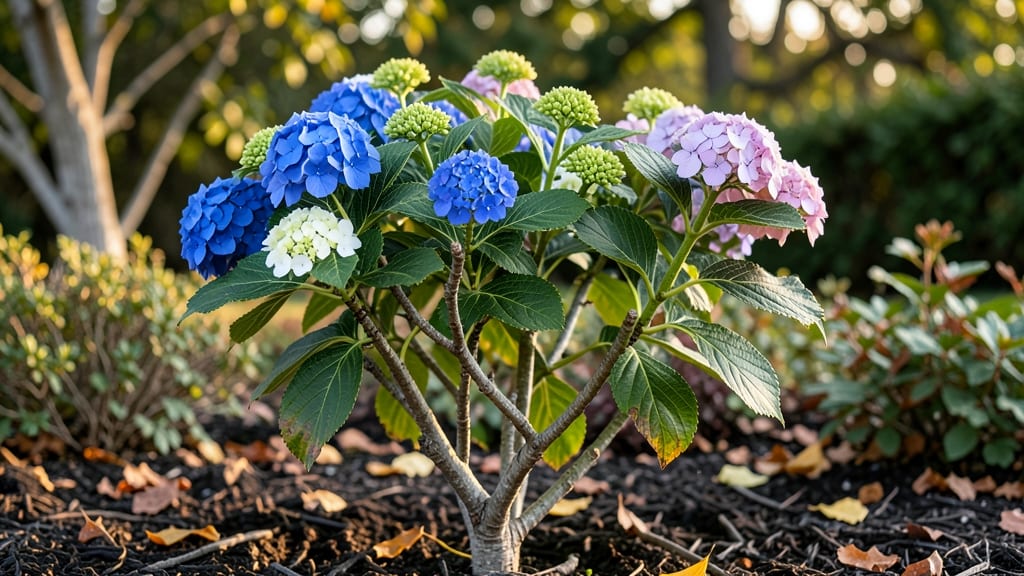
Big leaf hydrangeas grow on old wood, meaning blooms form on previous season’s growth rather than current-year stems. Prune after flowering to preserve next year’s buds, avoiding cuts on mature wood unless rejuvenation is needed.
Understanding this growth habit is key to keeping your hydrangeas thriving. 🌿 The buds that will become next year's flowers actually form on the previous season's stems during late summer—this is why pruning at the wrong time can mean no blooms the following year.
I've seen many gardeners accidentally cut off potential flowers by pruning too early, so timing is everything. Cold temperatures in winter help trigger these buds to open, which is why late pruning (after blooms fade) gives them the best chance to develop properly.
This unique growth pattern also means you can identify old wood by its thicker, woody texture compared to the current year's green stems. When rejuvenating an overgrown plant, you'll need to cut back to these mature stems while leaving some of the older growth intact to ensure future blooms.
💡 In This Article
- How Big Leaf Hydrangea Blooms Form on Old Wood
- Pruning Big Leaf Hydrangeas for Maximum Blooms
How big leaf hydrangea blooms form on old wood
The blooming process begins in late summer when your big leaf hydrangea's flower buds differentiate on the previous year's stems. These buds form at the leaf axils (where leaves meet stems) and remain dormant through winter.
The key trigger is cold exposure—buds need 40-60 days below 40°F to fully develop, which is why late pruning (after blooms fade) preserves these potential flowers for next season. Without this cold period, buds may fail to open properly, leading to sparse or weak blooms.
Here's what happens under the surface: Each mature stem contains multiple bud scales that protect the developing flower buds. When you prune too early (spring or early summer), you risk cutting off these hidden buds before they've had a chance to mature.
The old wood appears thicker and more woody than the current year's green growth, with a slightly rough texture—this is where next year's flowers are already forming. 🌸 What most gardeners don't realize is that these buds are incredibly delicate; even a small cut can remove multiple potential blooms.
The botanical term for this growth habit is "scapiform" blooming, where flowers emerge on stems that grew the previous season. This contrasts with "racemose" bloomers (like roses) that flower on current growth.
For big leaf hydrangeas, the flower buds are actually leaf buds that transform into blooms—this dual-purpose structure is why pruning requires such precision. The plant's energy is already allocated to these developing buds by late summer, making early pruning particularly damaging.
Consider this comparison: A 3-year-old stem might have 15-20 flower buds along its length, while a 1-year-old stem has none. When you cut back after blooming, you're removing spent flowers but leaving the dormant buds intact.
The stems you're keeping look dead now, but they're actually packed with potential—this is why hydrangeas can rebound so dramatically from proper pruning. The cold winter months then trigger these buds to swell and prepare for spring blooming.
What makes this even more fascinating is the plant's memory system. Big leaf hydrangeas remember their growth cycles—each stem knows whether it's old or new wood based on its age and position. The terminal buds (at stem tips) are usually the first to develop, followed by lateral buds further down.
This sequential development means even if you miss the perfect pruning window, some buds may still survive to bloom, though the display will be less abundant.
For visual learners, imagine looking at a hydrangea stem in late summer: The thicker, brownish sections are where next year's flowers are forming, while the green, flexible growth at the tips is this year's new wood.
When you see these green tips starting to harden and turn brown in fall, that's your signal that the flower buds are differentiating. This timing explains why late summer/early fall is the ideal pruning window—you're cutting back after the buds have formed but before winter dormancy sets in.