
Shrubs
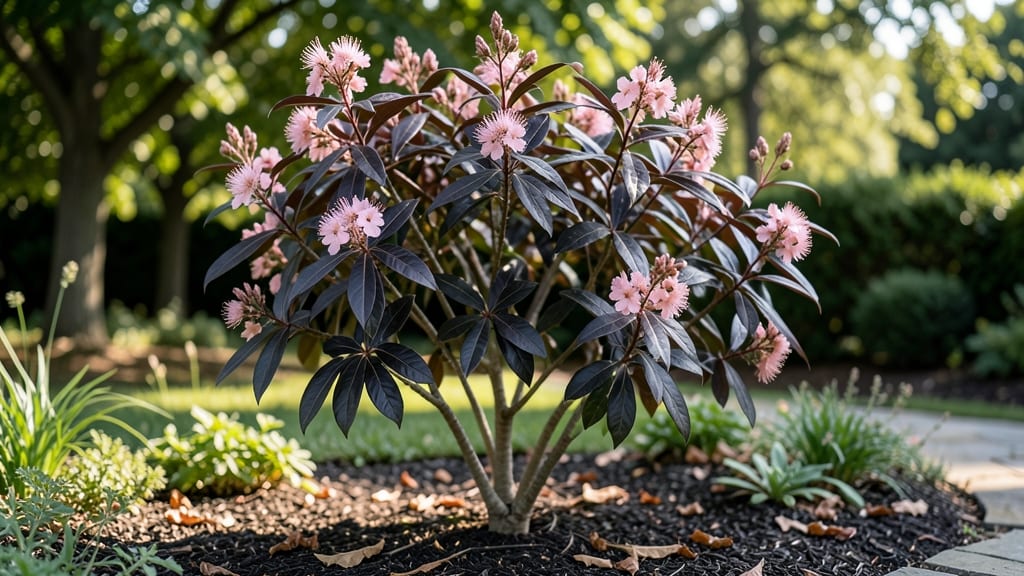
Dark leaf crepe myrtle transforms your yard into a living painting with its deep purple foliage and dramatic fall colors. 🌿 I planted mine last spring, and the difference between it and the pale green varieties in the neighborhood is night and day—this tree actually pops against any landscape.
The secret to those rich, velvety leaves? Full sun, well-draining soil, and consistent watering during its first year. Mine sits in a spot where nothing else thrives—hot, dry, and exposed—but this tree drinks it up.
The blooms arrive in summer, and by October, the leaves turn a fiery crimson that lasts for weeks. You'll end up with a tree that's both showstopper and low-maintenance. The bark peels dramatically in winter, adding texture, and it handles drought once established.
Just avoid overwatering once it's past its first year—that's when root rot becomes a risk. Perfect for southern landscapes, urban courtyards, or as a focal point in any sunny garden. Here's how to get the most out of yours without the common pitfalls."
📚 In This Guide
- What you need
- Instructions
- Tips and common mistakes
- Wrapping up and next steps
What you need
- ● Dark Leaf Crepe Myrtle: 1 nursery-grown sapling (3–5 gallons, 2–3 feet tall) or
- ● Seeds (if propagating from scratch—requires patience!)
- ● Rooted cuttings (if propagating from an existing tree)
- ● Planting Site: Full sun location (6+ hours of direct sunlight daily)
- ● Well-draining soil (amend with compost if needed)
- ● Space: 10–15 feet apart (for mature growth)
- ● Tools: 1 shovel or trowel
- ● 1 garden fork (for loosening soil)
- ● 1 watering can or hose with a gentle nozzle
- ● 1 pair of pruning shears (sterilized)
- ● 1 mulch (2–3 inches of organic mulch like pine straw or shredded bark)
- ● Slow-release fertilizer (balanced 10-10-10 or tree-specific formula)
- ● Soil pH test kit (ideal range: 5.5–6.5)
- ● Epsom salt (for magnesium boost, if leaves show yellowing)
- ● Tree collar guard (to protect the trunk from mowers/lawn tools)
- ● Drip irrigation system (for consistent moisture)
Step-by-step instructions for planting and caring for dark leaf crepe myrtle
Here's how to get your crimson-foliaged beauty thriving from day one.
🌱 Step 1: Choose the Perfect Planting Spot
Dark leaf crepe myrtle craves full sun—at least 6-8 hours daily. Scan your yard for the sunniest location with well-draining soil. I always check the afternoon sun exposure because crepe myrtles hate soggy roots. The ideal spot gets morning sun and afternoon shade in hot climates.
Dig a hole twice as wide as the root ball but only as deep. This encourages roots to spread outward rather than settling into a tight pocket. Loosen the sides of the hole with a shovel to prevent soil compaction around the roots later. If your soil is heavy clay, mix in 2 inches of compost into the bottom of the hole.
🪴 Step 2: Plant with Proper Spacing and Support
Crepe myrtles need room to grow—space them 10-15 feet apart for mature size. Plant the tree so the top of the root ball sits 1-2 inches above ground level. This prevents water from pooling around the trunk. Gently remove the plant from its container and tease the roots outward if they're circling.
Backfill with native soil, pressing lightly to remove air pockets. I like to add a 2-inch layer of mulch around the base, keeping it 3 inches away from the trunk to prevent rot. Water deeply right after planting to settle the soil and eliminate air gaps. The soil should be moist 6 inches down after watering.
☀️ Step 3: Water Deeply and Establish a Routine
Newly planted crepe myrtles need 1-2 inches of water weekly for the first year. Water deeply 2-3 times per week until the soil is moist 12 inches down. You'll know you've watered enough when the top 2 inches of soil feel damp but not soggy.
After the first year, they're drought-tolerant but still appreciate deep watering during dry spells. The key is infrequent but thorough watering—crepe myrtles develop deep roots that hate frequent shallow moisture. You'll see the tree's resilience when it survives summer droughts with vibrant foliage.
✂️ Step 4: Prune for Health and Shape
Prune in late winter or early spring before new growth begins. Remove dead, diseased, or crossing branches first. Then cut back last year's growth to just above a leaf node to encourage bushier growth. Never "top" the tree—this creates weak growth and invites pests.
I always prune to maintain an open center. Crepe myrtles naturally grow with a vase-like shape, so I trim to preserve that form. Avoid heavy pruning in fall—new growth won't harden off before winter. The goal is to remove no more than 25% of the tree's canopy in any one year.
🌿 Step 5: Feed and Protect for Long-Term Growth
Apply a balanced 10-10-10 fertilizer in early spring when new growth appears. Use half the recommended dose to avoid burning roots. I like to sprinkle it around the drip line (the edge of the tree's canopy) rather than right at the trunk. Water thoroughly after applying.
Watch for aphids or scale insects on new growth. Spray with neem oil if you see sticky residue on leaves. The dark foliage makes pests obvious—just wipe them off with a damp cloth. With proper care, your crepe myrtle will reward you with crimson fall color and fragrant summer blooms for decades.
Tips & tricks for perfect dark leaf crepe myrtle planting
Let me save you from the common mistakes that can stunt your tree's growth—these tricks will help your dark leaf crepe myrtle thrive from the very first season.
Sun Exposure Secret: While 6-8 hours of sun is ideal, pay extra attention to afternoon shade in hot climates. I've seen crepe myrtles in full afternoon sun develop leaf scorch—those crispy brown edges ruin the dramatic foliage. If your yard gets intense afternoon heat, consider a spot with morning sun and filtered afternoon light instead.
Root Ball Prep: Before planting, gently loosen the root ball if it's tightly bound. I use my fingers to tease out circling roots—this prevents girdling as the tree matures. If your nursery pot has drainage holes, you can even cut away a few sides to encourage roots to spread outward immediately. The wider the root spread at planting, the faster your tree establishes itself.
Watering Wisdom: That 6-inch deep moisture check after planting is crucial, but don't stop there. For the first year, I use a long screwdriver to check moisture at 12 inches down—this ensures those deep roots get established. If you're unsure about watering frequency, err on the side of more water rather than less during the first summer. The tree's resilience will show in its vibrant fall color.
Mulch Magic: That 2-inch layer of mulch isn't just decoration—it's a moisture regulator and temperature stabilizer. I always use shredded hardwood mulch because it breaks down slowly. Keep it 3 inches away from the trunk to prevent rot, and refresh it annually. This simple step can reduce watering needs by up to 30% during hot spells.
Pro Tips for Dark Leaf Crepe Myrtle
- Let me save you from the common mistakes that can stunt your tree's growth—these tricks will help your dark leaf crepe myrtle thrive from the very first season.
- Sun Exposure Secret: While 6-8 hours of sun is ideal, pay extra attention to afternoon shade in hot climates.
- Root Ball Prep: Before planting, gently loosen the root ball if it's tightly bound.
Frequently asked questions
Got questions about growing dark leaf crepe myrtle? You’re not alone! Here are answers to the most common queries—from planting to care—so you can nurture this stunning tree with confidence.
When is the best time to plant dark leaf crepe myrtle?
The ideal time is early spring or fall, when temperatures are mild (50–70°F). Planting in summer can stress the tree, while winter risks frost damage. Choose a day with overcast skies or gentle rain to help roots establish faster. If you must plant in summer, water deeply daily for the first 2 weeks.
Why are my crepe myrtle leaves turning yellow or dropping?
Yellowing or dropping leaves often signal overwatering, underwatering, or nutrient deficiencies. Check soil moisture—it should be dry 1–2 inches down. Yellowing edges may mean underwatering or salt buildup, while crispy leaves suggest overwatering or drought stress. Test soil pH (ideal: 6.0–7.0) and fertilize lightly in spring if needed.
Can dark leaf crepe myrtle grow in partial shade?
While it tolerates partial shade, this tree thrives best in full sun (6+ hours daily). In shady spots, expect fewer blooms, weaker growth, and less vibrant fall foliage. If your yard is shady, plant it near a south- or west-facing wall or choose a smaller cultivar like ‘Natchez’ for better adaptation.
How do I prune dark leaf crepe myrtle to encourage blooms?
Prune in late winter or early spring before new growth starts. Remove dead, crossing, or weak branches first, then cut back last year’s growth by 1/3 to promote bushier blooms. Never “top” the tree (cutting the main stem)—this harms its natural shape and reduces flowers. Use clean, sharp pruners for smooth cuts.
What are some low-maintenance alternatives to dark leaf crepe myrtle?
If you love the look but want easier care, try:
- ‘Arapaho’ crepe myrtle: Drought-tolerant with lavender blooms.
- ‘Zuni’ crepe myrtle: Compact, cold-hardy, and pest-resistant.
- Smokebush (Cotinus): Similar fall color but more shade-tolerant.
- Japanese maple (Acer palmatum): Stunning foliage with less aggressive growth.
Wrapping up and next steps
Ready to transform your landscape with stunning dark leaf crepe myrtle? This sun-loving beauty delivers year-round charm—from vibrant blooms to breathtaking crimson fall foliage. With the right soil, sunlight, and a little TLC, you’ll enjoy a low-maintenance, drought-tolerant showstopper that thrives for decades.
🌱 Next steps:
- Pick your perfect spot—full sun is key!
- Grab your plants and tools, then follow our growing guide.
- Watch your garden pop with color and life!