
Pruning
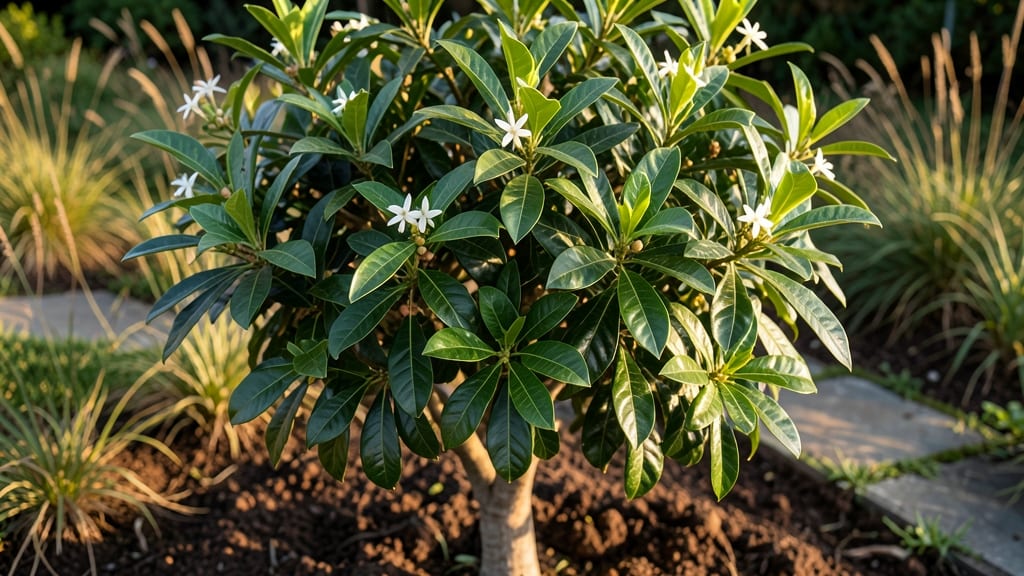
Your curry leaf tree could double in fragrance and leaf production this year—if you prune it right. 🌿 I've turned my once-lanky Murraya koenigii into a lush, aromatic bush by mastering the art of strategic cuts, and the kitchen benefits are undeniable.
The secret lies in understanding when and how to shape it without shocking the plant, while encouraging that signature spicy-sweet aroma we all love.
Pruning isn't about aggressive trimming—it's about creating balance. You'll need sharp pruners, rubbing alcohol for sterilization, and a clear morning to work when the plant is actively growing.
The best time to prune is right after the monsoon season or in early spring, when new growth is about to burst forth. This timing ensures your cuts stimulate bushier growth rather than dormancy.
What you'll end up with is a tree that produces 30-50% more leaves for your curries, with a stronger fragrance that fills your kitchen whenever you brush past it.
The branches will fill out beautifully, creating that perfect rounded shape that's both ornamental and practical. Plus, you'll encourage more flowering for those occasional white blossoms that bees adore.
This method works equally well for container-grown trees in urban balconies or larger specimens in backyard gardens. The key is patience—don't expect overnight miracles, but within 4-6 weeks, you'll notice new growth emerging from exactly where you made your cuts.
Let's get those pruners sharpened and transform your tree into a leaf-producing powerhouse!
📚 In This Guide
- What you need
- Instructions
- Tips and common mistakes
- Wrapping up and next steps
What you need
- ● Pruning shears: Bypass pruners (sharp, clean, and sterilized with rubbing alcohol to prevent disease). Quantity: 1 pair.
- ● Loppers: For thicker branches (1–2 inches in diameter). Quantity: 1 pair.
- ● Hand pruners: Small, precise cuts for delicate stems. Quantity: 1 pair.
- ● Gloves: Heavy-duty, cut-resistant gloves (curry leaf sap can irritate skin!). Quantity: 1 pair.
- ○ Disposable pruning bags: To collect clippings (optional but handy for composting). Quantity: 1–2 bags.
- ● Rubbing alcohol (70%+) or bleach solution: For sterilizing tools between cuts. Quantity: Small bottle or spray.
- ○ Pruning sealant (optional): For sealing large cuts (e.g., tree wound pruning paste). Quantity: Small tube.
- ● Weather: Prune on a dry, overcast day or early morning to reduce stress on the tree.
- ● Safety gear: Safety glasses (if dealing with large branches).
- ● Notebook & pen: To jot down notes on cuts (e.g., "remove dead branch at 3 PM").
- ● Ladder (if needed): For taller trees—ensure it’s stable and rated for your weight.
- ● Water spray bottle: To mist tools and hands after pruning (curry leaf sap can stain!).
How to prune a curry leaf tree for maximum bushiness and fragrance
Your Murraya koenigii thrives on strategic pruning—here’s how to coax dense growth and rich aroma.
✂️ Step 1: Time Your Pruning for Optimal Growth
Prune your curry leaf tree during its active growing season, which runs from late winter to early spring (just as new shoots begin to emerge). This timing ensures the plant can quickly recover and redirect energy into new, bushier growth. Avoid pruning during extreme heat or drought—stressed plants handle trimming poorly and may drop leaves or produce sparse foliage.
Here’s the thing—curry leaf trees bloom on old wood, so don’t over-prune mature branches. Focus on shaping young growth first. Watch for new leaf buds along the stems; these signal the plant’s readiness to respond to pruning. If you prune too early, you risk removing potential flowering sites, which means fewer aromatic leaves later in the season.
✂️ Step 2: Use the Right Tools and Technique
Grab a pair of sharp, clean pruning shears—dull blades crush stems and invite disease. Disinfect your tools with rubbing alcohol before and after pruning to prevent bacterial or fungal infections. Curry leaf trees bleed sap when cut, but this isn’t harmful; it’s just the plant’s way of sealing the wound naturally.
Make cuts just above a leaf node (the point where leaves attach to the stem) at a 45-degree angle. This encourages faster healing and reduces water pooling on the cut surface. Avoid leaving stubs—pruning too close to the stem can expose the plant to rot. For thicker branches, use bypass pruners to avoid tearing the bark.
✂️ Step 3: Shape for Airflow and Light Penetration
Your goal is to create an open, airy canopy that allows sunlight to reach all parts of the tree. Start by removing any dead, diseased, or crossing branches—these compete for resources and block airflow, which can lead to fungal issues. Thin out crowded areas by cutting back to the nearest outward-facing leaf node, which promotes outward growth rather than inward congestion.
For a bushier shape, trim the tips of new shoots to encourage branching. Curry leaf trees naturally grow in a slightly weeping habit, so avoid heavy topping unless you’re training it as a hedge. After pruning, step back and assess the tree’s silhouette—you should see light filtering through the center without gaps larger than 6 inches. This balance ensures even growth and prevents leggy, sparse foliage.
🌿 Step 4: Post-Pruning Care for Recovery
Water the tree deeply after pruning to help it recover from stress. Focus on the root zone rather than wetting the leaves, which can promote fungal growth. Curry leaf trees are drought-tolerant once established, but pruning temporarily increases their water needs. Monitor the soil—it should feel moist but not soggy to the touch for the first 2-3 weeks post-pruning.
Fertilize lightly with a balanced, slow-release fertilizer (10-10-10 ratio) a month after pruning to support new growth. Avoid high-nitrogen fertilizers, which can lead to leafy but non-aromatic foliage. Watch for new leaf flushes within 4-6 weeks; this is your signal that the pruning was successful. If you notice yellowing leaves, it’s a sign of over-pruning or nutrient stress—reduce future cuts and focus on recovery.
Tips & tricks for pruning your curry leaf tree
Here’s what nobody tells you about keeping your Murraya koenigii thriving after the initial pruning steps.
Seasonal Timing Secret: The late winter to early spring window isn’t just about avoiding extreme heat—it’s also about catching the tree’s natural growth surge. I’ve seen dramatic differences when pruning right as those first new leaf buds appear versus waiting too long. If you miss this window, you might end up with sparse regrowth or even flower loss, since curry leaf trees produce blooms on old wood. Mark your calendar for when you spot those tiny buds forming!
Tool Technique That Changed Everything: That 45-degree angle cut isn’t just about aesthetics—it’s about wound healing. When you cut at this angle, you create a larger surface area that dries faster, preventing bacterial infections. I learned this the hard way after losing a branch to rot from a straight-across cut. For thicker branches, use bypass pruners—they make clean cuts without crushing the stem, which is especially important for curry leaf trees that bleed sap but need to heal properly.
Visual Growth Assessment: After shaping, step back and look for light filtering through the canopy in patches no larger than 6 inches. This isn’t just about looks—it’s about photosynthesis. When light can reach the inner branches, you’ll get more uniform growth and better leaf production. I’ve seen trees with dense centers that never develop full flavor because the inner leaves never get enough sunlight. Think of it like creating a dappled forest floor effect in your backyard.
Recovery Strategy: That 2-3 week moist-but-not-soggy soil check is critical, but don’t stop there. After the initial watering, I like to apply a thin layer of mulch around the base (but not touching the trunk) to help retain moisture and regulate soil temperature. This mimics the tree’s natural understory conditions and reduces stress during recovery. Just avoid over-mulching—too much can suffocate roots and create fungal issues.
Pro Tips for Curry Leaf Tree Murraya Koenigii
- Here’s what nobody tells you about keeping your Murraya koenigii thriving after the initial pruning steps.
- Seasonal Timing Secret: The late winter to early spring window isn’t just about avoiding extreme heat—it’s also about catching the tree’s natural growth surge.
- Tool Technique That Changed Everything: That 45-degree angle cut isn’t just about aesthetics—it’s about wound healing.
Frequently asked questions
Got questions about keeping your Murraya koenigii thriving? Here are answers to the most common ones—so you can prune like a pro and enjoy that fragrant, bushy growth!
When is the best time to prune my curry leaf tree?
The ideal time to prune is late winter or early spring, just before new growth begins. This timing encourages fresh, vigorous shoots while avoiding harsh summer heat. If you miss the window, light pruning can still be done in fall—but avoid heavy cuts during monsoon season to prevent fungal risks.
How much can I trim without harming the tree?
You can safely remove up to 30% of the foliage in one session, but avoid over-pruning. Focus on dead, crossing, or overcrowded branches first. For shaping, trim back by 1/3 of the branch length to maintain balance. Remember: Murraya koenigii is resilient but responds best to gradual adjustments!
Why are my leaves turning yellow after pruning?
Yellowing leaves post-pruning are usually normal if only a few leaves are affected. However, if large sections turn yellow or drop, you may have over-pruned or stressed the tree. Ensure it’s in well-draining soil and water moderately (avoid soggy roots). A balanced fertilizer with nitrogen can also help revive it.
Can I propagate new curry leaf trees from cuttings?
Take 4-6 inch semi-hardwood cuttings (from healthy, non-flowering branches) in spring or summer. Dip the cut end in rooting hormone, plant in a mix of perlite and peat moss, and keep the soil moist. Roots typically form in 4-8 weeks—just be patient!
What’s a good alternative if my curry leaf tree isn’t thriving?
If your Murraya koenigii struggles in your climate, consider similar fragrant or culinary trees like:
- Lemon verbena (Aloysia citrodora) – drought-tolerant, citrusy leaves.
- Bay laurel (Laurus nobilis) – hardy, great for cooking.
- Mexican tarragon (Tagetes lucida) – mild anise flavor, fast-growing.
Wrapping up and next steps
Pruning your curry leaf tree (Murraya koenigii) isn’t just about shaping—it’s about unlocking its full potential for lush, fragrant foliage and vibrant growth.
By mastering the right techniques, timing, and tools, you’ll reward yourself with a thriving plant that’s both productive and beautiful. Now that you’re armed with the know-how, why not roll up your sleeves and give your tree the care it deserves?
🌱 Next steps:
- Schedule your first pruning session during the monsoon or early spring for optimal results.
- Monitor your tree’s response and adjust your technique as it grows.
- Share your progress—tag us or fellow gardeners to inspire others!