
Pests and Diseases
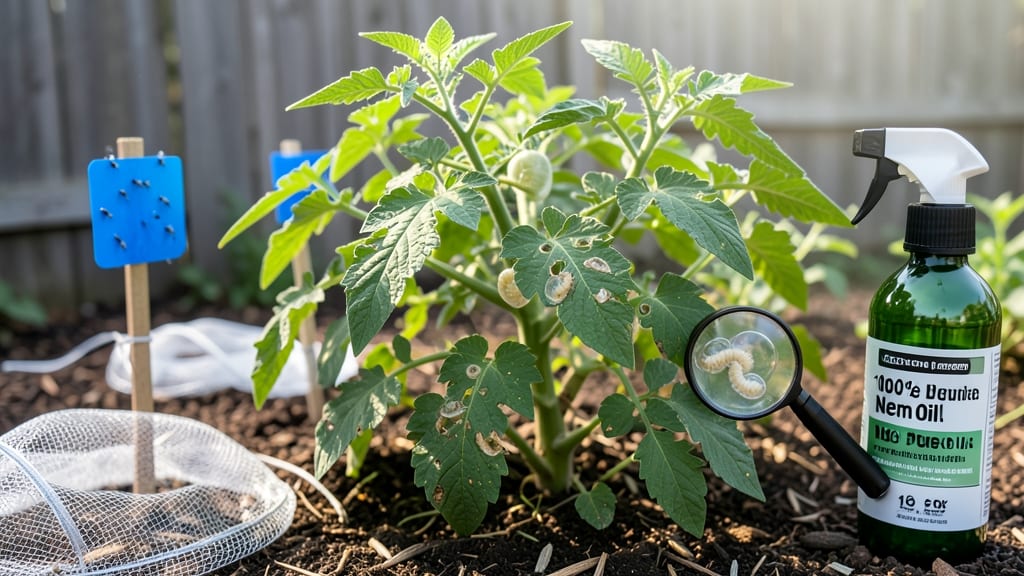
Controlling leaf miners can turn your plants into skeletons overnight—unless you act fast. 🌿 I’ve watched these tiny worms chew through basil, beans, and even prized roses, leaving behind a telltale serpentine trail. The good news? You don’t need harsh chemicals to stop them. With the right organic sprays and timing, you can save your plants before the damage spreads.
These pests thrive in warm weather, so early detection is key. Look for pale, winding trails between leaf veins or tiny black dots (their frass) before the leaves yellow and drop.
I’ve found that neem oil and insecticidal soap work fastest when applied at dawn or dusk, when the larvae are most active. A single treatment can stop new eggs from hatching within 24-48 hours.
You’ll see results in just a few days—new growth stays untouched, and existing leaves stop deteriorating. The secret is consistency: reapply every 5-7 days until the larvae mature and drop to the soil.
For heavy infestations, combine sprays with row covers or yellow sticky traps to catch adults before they lay eggs.
Works for tomatoes, peppers, herbs, and even houseplants like hibiscus. The method scales from a single pot to a full garden bed, and you’ll skip the guesswork with this step-by-step approach. Let’s get those leaves healthy again.
Root Causes Of Leaf Miner Infestations
Leaf miners aren’t just a random nuisance—they thrive because of specific conditions that make your plants irresistible to their larvae. Understanding these triggers is the first step to stopping them in their tracks.
Let’s break down the key reasons these tiny pests target your garden, so you can address the problem at its source.
Healthy plants naturally repel pests, but when their defenses are compromised, leaf miners move in like uninvited guests at a buffet. Here’s why your plants might be vulnerable:
- Nutrient Deficiencies: Plants lacking nitrogen, phosphorus, or micronutrients (like magnesium or iron) grow slowly and produce thin, weak leaves—perfect hiding spots for leaf miner larvae. Example: Yellowing leaves (chlorosis) signal a lack of iron or magnesium, making plants more susceptible.
- Overwatering or Poor Drainage: Soggy soil stresses roots, reducing the plant’s ability to fight off invaders. Leaf miners love moist, tender leaves, which are easier to burrow into.
- Physical Damage: Pruning wounds, hail, or even strong winds create entry points for eggs. Once a crack is open, miners exploit it.
Actionable fix: Boost plant health with a balanced organic fertilizer (like compost tea or fish emulsion) and ensure proper drainage. Mulch around the base to retain moisture without waterlogging.
Leaf miners aren’t picky—they just need the right setup to thrive. These pests love:
| Factor | Why It Helps Miners | How to Disrupt It |
|---|---|---|
| Warm Temperatures (70–85°F) | Speeds up larval development and egg-laying. Adult flies are most active in heat. | Use shade cloth in peak summer or plant heat-tolerant varieties. |
| High Humidity | Keeps leaves moist, making them easier to penetrate and digest. | Improve airflow with spacing or fans; avoid overwatering. |
| Dense Foliage | Provides shelter for adults to lay eggs and larvae to hide. | Prune regularly to thin out crowded growth. |
Pro tip: 🌡️ Monitor your garden’s microclimate. If you notice miners flocking to specific spots (like shady, damp corners), adjust conditions there first.
Not all plants are equal in the eyes of leaf miners. These pests have favorite menus, and once they find a preferred host, they’ll return year after year. Common targets include:
- Vegetables: Basil, beans, beets, brassicas (cabbage, broccoli), celery, cucumbers, eggplant, lettuce, peppers, spinach, and tomatoes.
- Herbs: Dill, parsley, and cilantro.
- Fruits: Citrus, figs, and grapes.
- Ornamentals: Coleus, geraniums, and impatiens.
Why? These plants often have soft, tender leaves that are easy for larvae to mine. Plus, their chemical profiles may signal "easy prey" to adult flies.
Actionable fix: Rotate crops annually to confuse miners, and interplant with repellent companions like:
- Marigolds (release limonene, a natural deterrent)
- Nasturtiums (trap crop—miners prefer these over your veggies!)
- Garlic or chives (strong scent masks plant odors)
In a balanced ecosystem, leaf miners face a gauntlet of predators. But if these helpers are missing, the miners take over. Key natural enemies include:
- Parasitic Wasps (e.g., Diglyphus isaea): Lay eggs inside miner larvae, which hatch and devour the pest from within.
- Ground Beetles: Hunt miner pupae in the soil.
- Lacewings: Adults eat adult flies; larvae consume eggs and young miners.
- Birds (like chickadees and warblers): Snack on adult flies.
When you use broad-spectrum pesticides (even organic ones), you often kill these beneficials along with the miners. The result? A pest explosion the next season.
Actionable fix: 🐝 Create a predator-friendly garden by:
- Avoiding chemical sprays (opt for targeted organic solutions instead).
- Adding beneficial insect habitats, like a small water source or diverse plantings.
- Introducing commercial parasitic wasps (available at garden centers) if infestations persist.
Natural Fixes for Leaf Miner Damage
Leaf miners can turn your lush garden into a skeleton of chewed foliage—but don’t despair! With the right organic approaches, you can stop the damage fast and restore your plants to health. Below, we’ve mapped practical solutions to common causes, from prevention to hands-on fixes. No harsh chemicals required!
Leaf miners thrive where plants are weak, so boost their resilience first.
- 🍃 Prune for airflow: Trim dense foliage to improve circulation, making it harder for miners to hide.
- 💧 Water deeply but less often: Overwatering stresses roots—stick to 1–2 inches per week (check soil moisture).
- 🌱 Feed with compost tea: A balanced organic fertilizer (like fish emulsion or seaweed extract) gives plants a nutrient boost to fight off pests naturally.
- 🌿 Rotate crops: Avoid planting the same family (e.g., tomatoes, peppers) in the same spot yearly—miners remember!
💡 Pro Tip: Mulch with straw or grass clippings to retain moisture and deter miners from laying eggs.
If you spot tiny white eggs (like grains of salt) on undersides of leaves, act immediately.
- 👨🍳 Handpick eggs: Use a soft brush or damp cloth to gently wipe them off—drop them into soapy water to kill them. - 🕷️ Introduce predator insects: Ladybugs, lacewings, and parasitic wasps love leaf miner eggs.
Buy them online or attract them with dill, fennel, or marigolds. - 🥘 Neem oil spray (best for eggs/larvae): - Mix 1 tbsp neem oil + 1 tsp mild soap + 1 quart water. - Spray undersides of leaves at dusk (avoids harming bees). - Reapply every 5–7 days until no new eggs appear.
✨ Quick Fix: Kaolin clay spray (like Surround WP) creates a physical barrier that confuses miners and deters egg-laying.
Once larvae tunnel into leaves, remove the damage and starve them out.
- 🍅 Remove infested leaves: Snip heavily damaged leaves with clean scissors and compost them away from the garden (or burn them).
- 🌡️ Yellow sticky traps: Place yellow cards coated with petroleum jelly near plants—larvae get stuck trying to pupate.
- 🥗 Silica gel or diatomaceous earth (DE):
- Sprinkle food-grade DE lightly on soil around plants (avoid direct leaf contact—it can harm beneficial insects).
- Silica aerogel (like Safer Brand) creates a film that suffocates larvae without chemicals.
- 🍂 Cover young plants: Use floating row covers (lightweight fabric) to block miners while allowing pollination and sunlight.
🎯 Prevention Hack: Interplant with basil or mint—their strong scents repel leaf miners naturally.
If miners keep coming back, disrupt their lifecycle with these long-term fixes:
| Problem | Solution | How to Do It |
|---|---|---|
| Soil-borne pests | Solarize soil | Cover beds with clear plastic for 4–6 weeks in hot sun to kill larvae. |
| Persistent eggs | Garlic/chili spray | Blend 1 garlic bulb + 1 chili pepper + 1 quart water, strain, and spray weekly. |
| Weak plant immunity | Beneficial nematodes (Phasmarhabditis) | Apply microscopic worms to soil—they eat leaf miner larvae naturally. |
| Urban gardens | Companion planting | Surround vulnerable plants with nasturtiums, garlic, or onions—miners avoid them. |
💡 Bonus: Crop rotation + deep tilling in fall breaks the leaf miner life cycle.
If 50%+ of leaves are mined and plants look skeletal:
- 🍄 Cut back damaged growth to encourage new, healthy shoots.
- 🌿 Repot in fresh soil (if potted) or amend garden beds with compost.
- 🛡️ Quarantine affected plants until new growth appears.
Final Reminder: Consistency is key! Leaf miners are annual pests—stay vigilant with weekly checks and preventive sprays in spring. With these methods, your plants will bounce back stronger—and miners won’t stand a chance! 🌱💪
Frequently asked questions
How do I know if my plants have leaf miners?
Look for serpentine trails (white or brown squiggly lines) between leaf veins or tiny black specks (frass) on the leaf surface. Check undersides of leaves for small white eggs too—these look like grains of salt. Early signs include yellowing or wilting leaves.
Can I use neem oil on edible plants like tomatoes or herbs?
Yes! Neem oil is safe for edible plants when used correctly. Mix 1 tablespoon with 1 teaspoon mild soap and 1 quart water, then spray undersides of leaves at dusk (avoids harming bees). Wait 24 hours before harvesting to ensure full safety.
What’s the fastest way to stop leaf miners from spreading?
Remove heavily damaged leaves immediately and drop them in soapy water. Use yellow sticky traps to catch adult flies, and apply kaolin clay spray (like Surround WP) to create a physical barrier. Reapply every 5-7 days for best results.
Are leaf miners harmful to humans or pets?
No, leaf miners pose no direct threat to humans or pets. The larvae feed only on plant tissue, and adult flies don’t bite. However, avoid ingesting heavily infested produce—always wash fruits/vegetables thoroughly before eating.
How do I prevent leaf miners in container gardens?
Use floating row covers over pots and check soil for pupae before repotting. Add beneficial nematodes (like Phasmarhabditis) to soil—these microscopic worms eat leaf miner larvae naturally. Also, rotate containers yearly to disrupt the pest lifecycle.