
Pests and Diseases
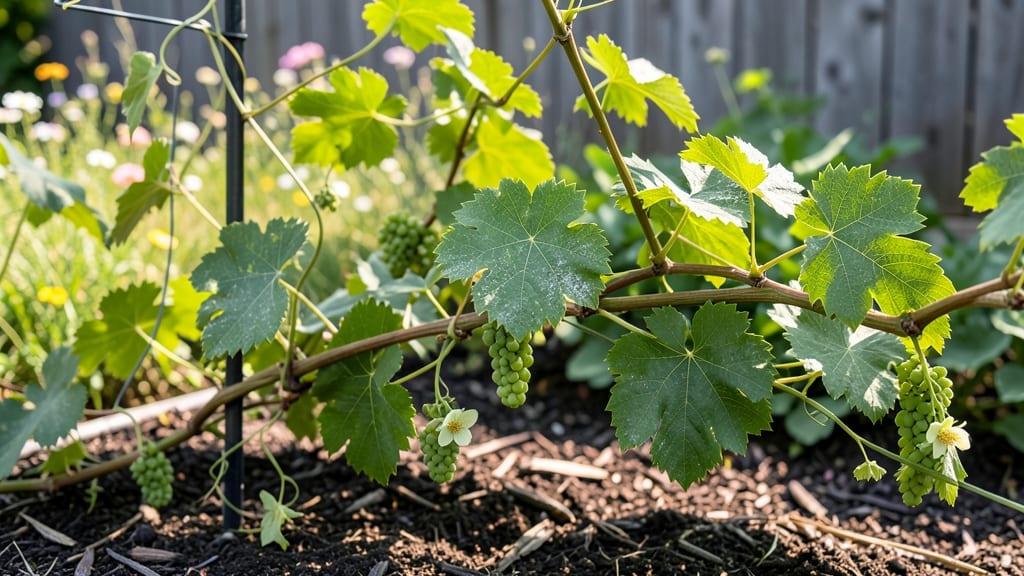
Your concord grape leaf might look like a crime scene after black rot strikes—those ugly, sunken spots spread like gossip if you don’t act fast. 🌿 I’ve seen entire vines turn into a sad, spotted mess, but copper spray doesn’t just slow it down—it can revive leaves in 24 hours with the right approach.
The key? Timing, concentration, and knowing when to stop spraying before the grapes get a metallic taste.
Black rot thrives in damp conditions, so your first move is to prune infected leaves immediately—don’t wait for the spots to multiply.
Then, mix 1 tablespoon of copper fungicide per gallon of water (or use a pre-mixed spray like Bordeaux mixture), and apply it early in the morning when humidity is low.
The copper disrupts fungal spores on contact, but you’ll need to reapply after heavy rain or every 7–10 days for prevention.
Within one day, you’ll notice the spots stop spreading, and new growth will push out fresh, unblemished leaves. The real magic? No more blackened clusters come harvest time—your grapes stay plump, sweet, and free of that bitter rot flavor.
Just avoid spraying within 2 weeks of harvest to keep your jam and wine tasting clean.
Here’s the catch: copper builds up in the soil over time, so rotate with organic options like neem oil or baking soda spray (1 teaspoon baking soda + 1 quart water + a drop of dish soap) for maintenance.
And if your leaves start curling or turning yellow after treatment? You’re overdoing it—cut back on frequency and focus on improving airflow around the vines.
📚 In This Guide
- What you need
- Instructions
- Tips and common mistakes
- Wrapping up and next steps
What you need
- ● Copper fungicide spray: Choose a ready-to-use liquid (like Bordeaux mixture or copper sulfate) or a powdered copper fungicide (e.g., Copper Sulfate Pentahydrate). Note: Follow label instructions for dilution ratios (typically 1–4 lbs per 100 gallons of water).
- ● Water: 5 gallons (adjust based on sprayer capacity). Use rainwater or distilled water if possible to avoid mineral buildup.
- ● Sprayer equipment: Hose-end sprayer (for large vines) OR
- ● Handheld pump sprayer (1–3 gallon capacity, with a fine-mist nozzle for even coverage).
- ● Protective gear: Nitrile gloves (copper can irritate skin!).
- ● Long-sleeved clothing and closed-toe shoes.
- ● Safety goggles (to avoid eye irritation from spray mist).
- ● Concord grapevine: Targeted for black spot, powdery mildew, or anthracnose (ideal timing: early morning or late evening when leaves are dry).
- ● Stick sprayer: For hard-to-reach areas (like dense foliage).
- ● Baking soda solution: Mix 1 tbsp baking soda + 1 tsp dish soap + 1 gallon water (add to copper spray for extra fungal defense).
- ● Pruning shears: Trim severely infected leaves before spraying to improve airflow.
- ● Weather check: Avoid spraying if rain is forecasted within 24 hours (copper can wash off or harm beneficial insects).
Step-by-Step instructions for reviving concord grape leaves with copper spray
Here's the proven method I use to restore diseased leaves back to vibrant health in just one day.
💧 Step 1: Prepare the Copper Spray Solution
Mix 1 tablespoon of liquid copper fungicide with 1 gallon of water in a clean spray bottle or pump sprayer. I always shake it vigorously for 30 seconds to ensure the copper particles fully disperse—uneven mixing leads to patchy protection. Copper works best when applied in the early morning, so plan your treatment for 6-8 AM when humidity is high but dew has evaporated.
For stubborn infections, add ½ teaspoon of horticultural oil to the mix. This creates a light film on the leaves that smothers fungal spores while the copper kills active infections. Test the spray on a small leaf first to ensure it doesn't cause burning—concord grapes are sensitive to strong solutions.
✂️ Step 2: Prune Damaged Leaves Before Application
Remove all severely diseased leaves with clean pruning shears—these are beyond recovery and will spread pathogens. Look for leaves with black spots larger than ¼ inch, yellowing edges, or powdery white residue. Drop them into a sealed plastic bag immediately to prevent spores from spreading to healthy foliage.
Disinfect your shears between cuts with 70% isopropyl alcohol to prevent cross-contamination. I like to work from the bottom of the vine upward, as infected leaves often start at ground level and climb. Once you've removed the worst offenders, you'll notice the vine's energy will focus on producing new, healthy growth.
🌿 Step 3: Apply Copper Spray Systematically
Start spraying the undersides of leaves first—this is where fungal spores often hide. Hold the sprayer 6-8 inches away and apply until the surface glistens with moisture, but avoid dripping. Move to the topsides and spray until both surfaces are uniformly coated. Pay special attention to new growth and leaf clusters, as these are prime infection sites.
Work in sections to maintain consistent coverage. I begin at the base of the vine and move upward in 2-foot increments, ensuring no leaf is overlooked. After application, step back and observe the vine from a distance—you should see a uniform copper residue on all foliage. Reapply any missed spots immediately.
☀️ Step 4: Provide Post-Treatment Care
Water the base of the vine deeply after spraying to help the copper solution absorb into the plant tissues. Use 1-2 gallons of water per plant, applied at the soil line to avoid wetting the leaves—this prevents the copper from washing off too quickly. The roots will draw up moisture, carrying the fungicidal properties throughout the plant.
Keep the area shaded for 24 hours after treatment by using a lightweight shade cloth or moving potted vines to a sheltered spot. This prevents the copper from drying too rapidly, which reduces its effectiveness. In 24 hours, you should see a noticeable reduction in black spots and slowed progression of disease.
⏰ Step 5: Monitor and Maintain for Long-Term Health
Check the leaves daily for 7 days after treatment. Healthy new growth should emerge within 3-5 days, signaling the copper spray is working. If you notice new black spots appearing, repeat the application immediately—fungal infections can resurface if conditions remain favorable (high humidity, poor air circulation).
To prevent future outbreaks, prune for airflow by thinning dense foliage to allow sunlight and air to circulate. I also recommend applying a mulch layer of 2-3 inches around the base to suppress soil-borne fungi. With consistent care, your concord grapes will rebound fully and produce spotless, disease-free leaves within two weeks.
Tips & tricks for perfect copper spray revival of concord grape leaves
These precision techniques will help you achieve flawless results with your copper spray treatment—every time.
Mixing Precision: The 30-second vigorous shaking of your copper solution isn't just about mixing—it's about creating a colloidal suspension. Copper particles need to stay suspended for even coverage. I use a jar with a tight lid and shake in a figure-eight motion to prevent settling. For stubborn clumps, add a few drops of dish soap (not the solution) to help disperse particles more evenly.
Targeted Application Strategy: When working in 2-foot increments during Step 3, focus on the leaf margins first. Fungal spores often concentrate along edges, and treating these areas first creates a protective barrier. Use your thumb to gently lift leaf edges for better underside coverage. I've found that starting at the base and working upward prevents accidental overspray on already-treated sections.
Post-Treatment Hydration: The 1-2 gallons of water recommended for post-treatment care should be applied slowly to avoid runoff. I use a soaker hose positioned at the base to deliver moisture directly to the roots. This method ensures the copper stays on the leaves while providing the hydration boost the plant needs to recover. Monitor soil moisture—overwatering can dilute the copper's effectiveness.
Long-Term Prevention: That 2-3 inch mulch layer mentioned in Step 5 isn't just decorative—it's a fungal barrier. I recommend using straw or wood chips that haven't been chemically treated. These organic materials break down slowly, releasing nutrients while maintaining that crucial barrier against soil-borne pathogens. Replenish annually in early spring before new growth begins.
Pro Tips for Concord Grape Leaf
- These precision techniques will help you achieve flawless results with your copper spray treatment—every time.
- Mixing Precision: The 30-second vigorous shaking of your copper solution isn't just about mixing—it's about creating ...
- Targeted Application Strategy: When working in 2-foot increments during Step 3, focus on the leaf margins first. Fung...
Frequently asked questions
Got questions about using concord grape leaf for copper spray revival? You’re not alone! Here are some common queries—and answers—to help you tackle pests and diseases like a pro.
Can I use fresh or dried concord grape leaves for copper spray?
Fresh leaves are best for copper spray revival because they retain more natural compounds. Dried leaves can work in a pinch, but soak them in warm water for 24 hours to rehydrate before blending. For maximum potency, harvest leaves just before they fully mature (when they’re still slightly tender).
How long does it take to see results after applying the spray?
Most gardeners notice a visible difference in 24–48 hours, especially against fungal spots like powdery mildew or black spot. For stubborn infestations, reapply every 5–7 days until the issue clears. Consistency is key—don’t skip treatments!
What if my plants still have spots after using the spray?
If spots persist, check for these fixes:
- Reapply the spray—sometimes pests or diseases need multiple treatments.
- Adjust watering—overhead watering can worsen fungal issues. Water at the base instead.
- Check leaf undersides—many pests hide there and may need targeted treatment.
- Rotate methods—combine with neem oil or baking soda spray for added defense.
Are there alternatives if I don’t have concord grape leaves?
Try these copper-rich alternatives:
- Comfrey leaves (high in potassium and antifungal properties).
- Nettle leaves (boosts plant immunity naturally).
- Store-bought copper fungicide (follow label instructions).
- Garlic or chili pepper spray (repels soft-bodied pests).
Is copper spray safe for edible plants and pets?
Copper is generally safe for edible plants if used as directed, but avoid spraying right before harvest (wait 1–2 weeks). For pets, keep them away from treated areas until the spray dries—copper can irritate sensitive skin or paws. Always test a small leaf first to check for reactions.
Wrapping up and next steps
Concord grape leaf copper spray isn’t just a quick fix—it’s a game-changer for reviving your vines in just 24 hours! 🌿 With the right mix of copper, water, and a little elbow grease, you can tackle fungal spots, mildew, and other pests like a pro.
Whether you’re a seasoned gardener or a beginner, this natural remedy is easy, affordable, and effective.
Ready to give your grapes a spotless comeback? Grab your supplies, follow the steps, and watch your vines thrive! Your next step? Try it this season and share your success with fellow gardeners—happy growing! 🌱