
Leaf Blower
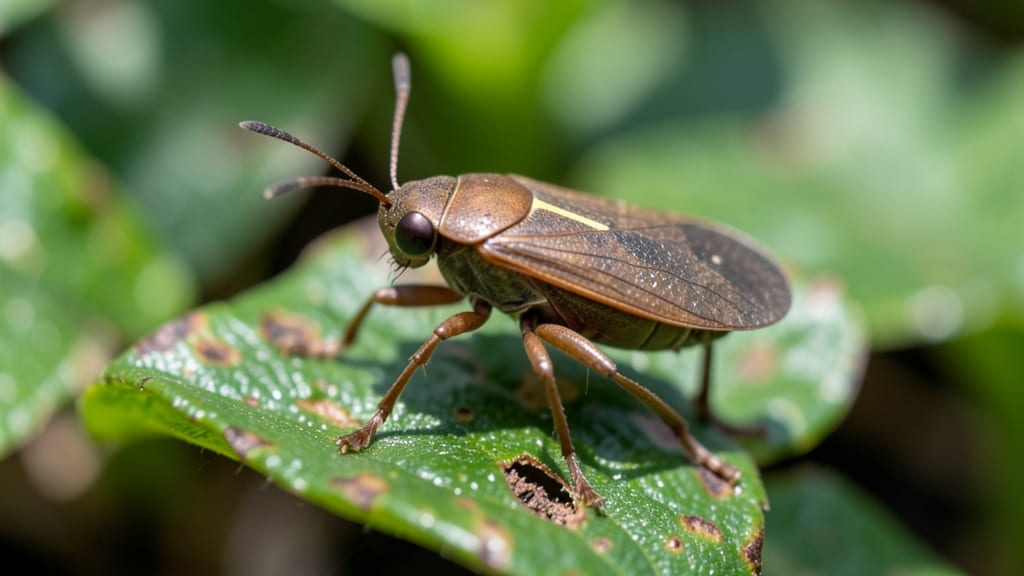
Copper spray is the game-changer for brown leaf bugs that turn your plants into spotted messes. 🌿 I’ve seen these tiny pests destroy entire beds of tomatoes and peppers in weeks—until I discovered how copper stops them before they spread.
The key isn’t just spraying; it’s timing, coverage, and knowing exactly which bugs you’re fighting. Most gardeners assume brown spots mean fungus, but leaf miners, spider mites, or even aphids often cause the damage. Copper disrupts their life cycle by creating a protective barrier on leaves.
One spray can save your plants from total collapse, but you’ve got to act fast—once the bugs move to new leaves, it’s too late. By next week, your plants will look like they did in spring: vibrant, unspotted, and thriving.
The spray works on vegetables, ornamentals, and even fruit trees, making it the most versatile fix in your toolkit. No more helplessly watching your garden fade to brown. Works in all climates, though humid areas may need more frequent applications.
Here’s how to make it work for your garden—no guesswork, just results.
Root Causes Of Brown Spots
Brown leaf bugs—like the Lace Bug (Corythucha spp.) or Brown Marmorated Stink Bug (Halyomorpha halys)—don’t just appear out of nowhere. These pests thrive due to a mix of environmental stress, plant vulnerability, and their own sneaky feeding habits.
Understanding the why behind their damage helps you tackle the problem before it spreads. Here’s a breakdown of the key triggers:
Plants under heat or drought become weakened hosts for brown leaf bugs. When soil moisture drops, leaves lose turgor (rigidity), making them easier targets for pests. Here’s how it plays out:
- Water loss triggers stress signals: Drought-stressed plants produce volatile organic compounds (VOCs) that attract bugs seeking nutrient-rich meals. Think of it like a distress flare—your plant is unknowingly calling for help (or pests).
- Reduced chlorophyll production: Underwatered leaves turn yellow or brown at the edges, mimicking the damage bugs cause. This compounds the problem—you might mistake natural decline for infestation.
- Bugs exploit weak spots: Lace bugs, for example, pierce leaves with their styllets (mouthparts) to suck sap. Stressed cells can’t fight back, leading to necrotic (dead) brown patches.
Actionable fix: Deep-water plants at the base (not just surface sprinkles) during dry spells. Aim for 1–1.5 inches of water per week, and mulch to retain moisture. 💡 Pro tip: Early morning watering reduces evaporation and fungal risks.
Brown leaf bugs love a buffet, and malnourished plants are all-you-can-eat. Deficiencies in key nutrients create the perfect storm:
| Nutrient | Deficiency Signs | Why Bugs Target It |
|---|---|---|
| Nitrogen (N) | Pale yellowing (chlorosis) between leaf veins, stunted growth. | Bugs detect high sugar-to-protein ratios in starving leaves, making them easier to digest. |
| Magnesium (Mg) | Brown interveinal patches (between veins), crispy edges. | Magnesium is critical for chlorophyll stability. Without it, leaves can’t photosynthesize efficiently, becoming sap-rich targets. |
| Potassium (K) | Brown scorch marks on leaf edges, curling. | Potassium-deficient cells have thin cell walls, making them easier for bugs to pierce. |
Actionable fix: Test soil pH (ideal: 6.0–7.0 for most plants) and amend with:
- Compost or worm castings for slow-release nitrogen.
- Epsom salt (1 tbsp/gallon of water) for magnesium (spray on leaves weekly).
- Banana peel tea (rich in potassium) for a natural boost.
Brown leaf bugs thrive in chaos. Crowded foliage or pre-existing damage creates the perfect hiding spots and breeding grounds:
- Physical damage: Wind, hail, or mechanical injury (like lawnmower cuts) ruptures plant cells, releasing sap that bugs detect from feet away.
- Fungal/bacterial infections: Spots from powdery mildew or bacterial leaf spot create entry points for bugs. The bugs then secondary-infect healthy tissue.
- Over-fertilization: Too much nitrogen promotes soft, succulent growth—bugs’ favorite snack. Plus, excess salts in soil burn roots, weakening plants.
Actionable fix:
- ✂️ Prune crowded branches to improve airflow (bugs hate dry conditions).
- 🧼 Clean up debris (fallen leaves, mulch) where bugs overwinter.
- 🌱 Space plants according to their mature size—3–6 feet apart for most shrubs.
Brown leaf bugs hate dry, breezy conditions but love humid, stagnant environments. Here’s why:
- High humidity: Bugs like stink bugs and lace bugs thrive in 60–80% humidity. Moisture slows leaf drying, giving bugs more time to feed and lay eggs.
- Stagnant air: Poor airflow traps volatile pheromones that bugs use to locate mates and meals. It’s like a bug pheromone party in your garden.
- Fungal hitchhikers: Humidity also encourages sooty mold (a black fungus) that grows on bug honeydew, further stressing plants.
Actionable fix:
- 🌬️ Use fans near potted plants or install trellises to elevate vines and improve airflow.
- 💦 Water in the morning so leaves dry by evening (bugs are nocturnal).
- 🌳 Thin dense shrubs to let sunlight and air penetrate.
Key takeaway: Brown leaf bugs don’t just happen—they exploit stress signals from your plants. By fixing water, nutrients, airflow, and physical damage, you remove their invitation to the party. 🎯 Next up: How to spot these pests early before they throw a full-blown feast on your foliage.
Quick Fixes for Leaf Spots
If you’ve spotted those unsightly brown patches on your plants, don’t panic—there are practical, effective ways to tackle the issue before it worsens. Below are targeted solutions based on the most common causes of leaf discoloration, along with prevention tips to keep your greenery thriving.
Fix it fast:
- 🔥 Adjust your watering routine – Let the top 1–2 inches of soil dry out between waterings. Stick your finger in the soil to check moisture levels.
- 🍳 Improve drainage – Amend heavy or compacted soil with perlite, sand, or organic matter (like compost) to help roots breathe.
- 👨🍳 Repot if needed – If your plant is in a container with no drainage holes, transfer it to a pot with proper drainage or add a layer of pebbles at the bottom.
Prevention tip: 💡 Use self-watering pots or moisture meters to avoid overwatering—especially for sensitive plants like ferns or calatheas.
Fix it fast:
- 🌡️ Move plants to shade – Gradually acclimate them to indirect light if they’ve been exposed to harsh sun.
- 🎯 Mist leaves (lightly!) – A fine spray of water can help cool foliage, but avoid soggy leaves to prevent fungal issues.
- 🥗 Provide afternoon shade – Use sheer curtains, shade cloth, or relocate potted plants to a spot with dappled sunlight.
Prevention tip: ✨ Hardy plants like succulents and lavender thrive in full sun, but tropical varieties (e.g., hibiscus, coleus) need afternoon shade in hot climates.
Fix it fast:
- 🔪 Prune affected leaves – Snip off brown or spotted leaves with clean, sharp scissors and dispose of them in the trash (not compost).
- 🍵 Apply copper-based spray – A 1 tsp copper sulfate per gallon of water solution (or a pre-mixed fungicide) can stop fungal spread. Spray early in the morning for best results.
- 🌿 Boost airflow – Thin out dense foliage and space plants apart to reduce humidity and fungal growth.
Prevention tip: 💡 Rotate your plants occasionally to ensure even air circulation—fungi love stagnant, damp conditions!
Fix it fast: - 🔍 Inspect leaves – Look for tiny bugs (like aphids, mites, or scale) on the undersides of leaves.
A magnifying glass helps! - 🚿 Blast off pests – Spray leaves with a strong stream of water to dislodge soft-bodied insects. - 🍋 Use neem oil or insecticidal soap – Mix 1 tbsp neem oil + 1 tsp mild soap per quart of water, then spray directly on pests (reapply every 5–7 days).
Prevention tip: 🎯 Encourage beneficial insects like ladybugs by planting marigolds or basil nearby—they’re natural pest predators!
📊 Check soil pH and nutrients: - 🥗 Test your soil – Use a simple pH test kit (available at garden centers). Most plants prefer 6.0–7.0 pH. - 💪 Fertilize appropriately – Brown edges often signal nitrogen deficiency (yellowing) or magnesium deficiency (yellow between veins).
Use a balanced fertilizer or Epsom salt (for magnesium) as directed. - 🌱 Refresh the soil – If soil is depleted, mix in compost or a slow-release organic fertilizer.
Prevention tip: 🔥 Feed container plants every 4–6 weeks during growing season—houseplants like pothos and snake plants need less, while veggies (tomatoes, peppers) are heavy feeders.
If your plant is severely infected, wilted, or beyond saving, it’s kinder to remove it before the issue spreads. Sanitize pots with a 10% bleach solution (1 part bleach to 9 parts water) to kill lingering pathogens.
Remember: Early action is key! The sooner you address the cause, the faster your plants will bounce back. 🌿✨
Frequently asked questions
What are the most common brown leaf bugs I should watch for?
Look for lace bugs (tiny, lace-winged insects) or brown marmorated stink bugs—both leave brown, stippled damage. Leaf miners (tiny white larvae inside leaves) and spider mites (reddish dots on undersides) also cause similar brown spots. Check leaf undersides with a magnifying glass for early signs.
How do I tell if brown spots are from bugs or disease?
Bug damage often has tiny holes, stippling, or webbing (like lace bugs), while fungal spots are usually soft, fuzzy, or powdery. Scrape a spot—if it leaves a white residue, it’s likely fungal. Bug damage usually has visible pests nearby or honeydew trails (sticky residue).
Can copper spray harm beneficial insects like bees?
Copper is selectively toxic—it targets soft-bodied pests (like stink bugs) but is generally safe for bees if applied early morning or late evening when they’re less active. Avoid spraying flowers directly, and choose copper hydroxide (less harmful than copper sulfate). Always follow label instructions.
How often should I reapply copper spray for best results?
Reapply every 7–14 days during active pest seasons (spring to fall) or after heavy rain washes it off. For severe infestations, spray every 5–7 days until pests disappear. Mix fresh solution each time—old copper spray loses effectiveness. Store in a cool, dark place.
Will copper spray work on established infestations?
Copper is most effective as a preventative, but it can still help with light infestations. For heavy damage, combine it with physical removal (handpick adults) and neem oil (disrupts egg-laying). Severe cases may need pyrethrin-based sprays (follow label carefully). Act fast—once bugs move to new leaves, copper won’t reach them!