
Leaf Blower
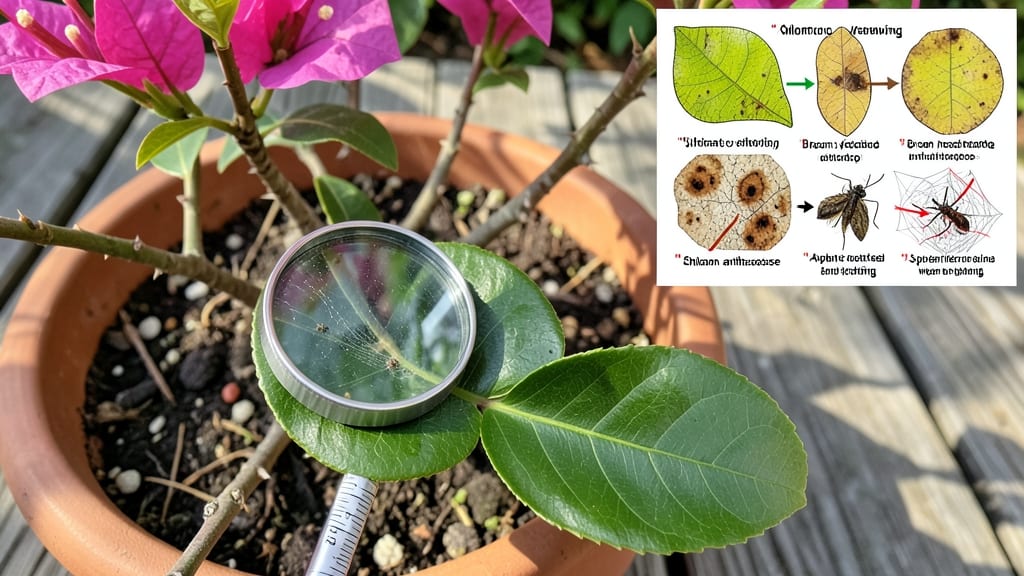
Bougainvillea leaf problems like yellowing or spots can turn your vibrant plant into a sad, patchy mess—but I’ve fixed mine every time with these quick fixes that work in minutes. 🌿 The key is catching issues early, whether it’s overwatering, pests, or fungal infections hiding in plain sight.
Most gardeners panic when they see the first brown edges, but the real fix is often simpler than you’d think.
Yellow leaves usually mean overwatering or poor drainage, while black spots signal fungal infections like powdery mildew. I learned the hard way that bougainvilleas hate soggy roots—drainage holes and a well-draining soil mix (like 60% cactus soil + 30% perlite + 10% sand) are non-negotiable.
For spots, prune affected branches immediately and spray with neem oil to stop the spread.
Wilting? Check for root rot or pests like spider mites first. I once thought my plant was dying from drought—until I found a web of tiny mites sucking the life out of it.
A strong spray of water (or insecticidal soap) clears them up in days. The goal is to get your bougainvillea back to its bold, papery pink glory without losing any more leaves.
Once you’ve fixed the problem, prevention is easy: water only when the top inch of soil is bone dry, fertilize lightly (half-strength monthly), and prune regularly to improve airflow. Your bougainvillea will bounce back faster than you expect—just don’t wait until the leaves are crispy!
Root Causes Behind Leaf Struggles
Bougainvillea’s vibrant blooms and lush leaves can suddenly turn into a gardener’s nightmare when yellowing, spots, or wilting appear. But why does this happen? The answer often lies in a mix of environmental stress, pests, or underlying health issues.
Let’s break down the key culprits behind bougainvillea leaf problems—and how they disrupt your plant’s well-being.
Bougainvilleas thrive in warm climates (USDA Zones 9-11), but extreme heat or sudden temperature swings can shock the plant. When daytime temps soar above 95°F (35°C) without relief, leaves may:
- Scorch (brown, crispy edges) from excessive transpiration.
- Wilt as cells lose moisture faster than roots can absorb water.
- Develop yellow patches (chlorosis) due to disrupted chlorophyll production.
Why it happens: Heat stress triggers oxidative damage in cells, while high evaporation rates dehydrate leaves before roots can compensate. Bougainvilleas also struggle with cold drafts (below 50°F/10°C), causing stunted growth or leaf drop.
Bougainvilleas are drought-tolerant but hate soggy roots. Watering problems are the #1 cause of leaf issues:
| Issue | Signs | Root Cause |
|---|---|---|
| Overwatering | Yellowing leaves, mushy stems, Fusarium wilt (fungal infection) | Poor drainage + waterlogged soil → root rot (Phytophthora or Pythium fungi thrive). |
| Underwatering | Wilting, dry edges, leaf drop, crispy brown tips | Soil moisture drops below 30% → roots can’t absorb nutrients, leading to physiological drought. |
| Inconsistent Watering | Spotted leaves, uneven growth, leaf curl | Fluctuating moisture confuses the plant’s vascular system, causing oxidative stress. |
Pro tip: 💡 Check soil moisture by sticking your finger 2 inches deep—water only when dry. Use well-draining soil (cactus mix + perlite) to prevent root suffocation.
Bougainvilleas attract pests that pierce leaves, suck sap, or spread disease. Here’s the damage they cause:
🐜 Sap-Sucking Insects (Aphids, Mealybugs, Scale)
- Symptoms: Sticky residue ("honeydew"), curled/yellowing leaves, black sooty mold (fungus growing on honeydew).
- Why it happens: Insects inject toxins while feeding, disrupting photosynthesis. Mealybugs also block stomata (leaf pores), suffocating the plant.
🍄 Fungal Infections (Powdery Mildew, Leaf Spot)
- Symptoms: White powdery patches (mildew) or brown/yellow spots with halos (leaf spot).
- Why it happens: Fungi like Erysiphe (powdery mildew) thrive in humid, low-light conditions. Overhead watering spreads spores, while poor air circulation traps moisture on leaves.
🐜 Spider Mites (Tiny Red/Black Pests)
- Symptoms: Fine webbing on undersides, speckled yellowing (like freckles), premature leaf drop.
- Why it happens: Mites puncture cells to feed, causing chlorophyll breakdown. They explode in dry, hot conditions (opposite of fungal needs!).
Fix: 🔥 Isolate infected plants and treat with neem oil (for pests) or copper fungicide (for mildew). Prune affected leaves below the infection to stop spread.
Bougainvilleas are light feeders, but poor soil or imbalances trigger leaf problems:
🟡 Chlorosis (Yellow Leaves) = Iron/Magnesium Deficiency
- Signs: New leaves turn pale yellow between veins (iron) or yellow with green veins (magnesium).
- Why it happens:
- Alkaline soil (pH >7.0) locks out iron/manganese, even if present.
- Over-fertilizing with nitrogen burns roots, preventing nutrient uptake.
- Compacted soil reduces root oxygen, stalling nutrient absorption.
🟠 Brown Leaf Tips = Calcium or Potassium Lack
- Signs: Crispy, dead tips or purple undersides (potassium deficiency).
- Why it happens: Calcium aids cell structure; potassium regulates water/nutrient transport. Salty soil or tap water high in chlorine leaches these nutrients away.
Solution: 🌡️ Test soil pH (aim for 6.0–7.0) and amend with chelated iron or Epsom salt (magnesium sulfate). Use rainwater or filtered water to avoid salt buildup.
Most bougainvillea leaf problems stem from one or more of these factors. The good news? Once you identify the cause, fixes are straightforward—whether it’s adjusting water, treating pests, or tweaking soil health. Act fast, and your bougainvillea will bounce back with its signature color and vigor!
Practical fixes for bougainvillea leaf troubles
Revitalizing your bougainvillea’s vibrant foliage starts with pinpointing the root cause—and acting fast! Below, we’ve mapped out easy, actionable solutions for common leaf issues, from yellowing to spots and wilting. Each fix includes prevention tips to keep your plant thriving long-term.
Fix:
- Check the soil moisture 💧
- Stick your finger 1–2 inches deep into the soil. If it’s soggy, your plant is drowning. If it’s bone-dry, it’s thirsty.
- For overwatering: Let the top 3 inches of soil dry out completely between waterings. Repot if drainage is poor (use a mix with perlite or sand).
- For underwatering: Water deeply until it drains from the bottom, then wait until the topsoil is dry again.
- Adjust your watering routine ⏰
- Bougainvillea loves drought-like conditions—water 2–3 times a week in summer, once a week in winter.
- Pro tip: 💡 Water in the early morning to reduce fungal risks and evaporation.
- Fertilize for recovery 🌱
- Use a balanced, water-soluble fertilizer (10-10-10) every 4–6 weeks during growing season (spring–fall).
- Avoid over-fertilizing—this stresses roots and worsens yellowing.
Prevention:
- Upgrade your pot if it lacks drainage holes.
- Mulch with gravel or bark to regulate soil moisture.
Fix:
- Shade adjustment ☀️🔄
- If leaves are bleached or crispy, move your plant to partial shade (4–6 hours of morning sun).
- For afternoon sun: Provide dappled shade (e.g., sheer curtain or lattice).
- Flush the soil 🚰
- Salt buildup from tap water or fertilizer causes browning. Flush the pot by watering until water runs out the drainage holes 3 times.
- Use filtered or rainwater to prevent future buildup.
- Trim damaged leaves ✂️
- Snip off only the brown edges (never the whole leaf) to encourage new growth.
Prevention:
- Test your water for high salinity (ideal: <500 ppm).
- Avoid fertilizing in extreme heat (spring or fall is best).
Fix:
- Identify the culprit 🔍
- Fungal spots (black/yellow): Prune infected leaves and spray with neem oil (1 tbsp per quart of water).
- Pest holes (chewed edges): Check for aphids, spider mites, or whiteflies. Blast off pests with soapy water (1 tsp mild soap + 1 quart water).
- Boost plant immunity 🛡️
- Neem oil spray (weekly for 2 weeks) deters pests and fungi.
- Baking soda solution (1 tsp baking soda + 1 quart water + drop of soap) for fungal spots.
- Improve airflow 🌬️
- Space plants 6–12 inches apart to reduce humidity and fungal spread.
Prevention:
- Inspect new plants for pests before bringing them home.
- Avoid overhead watering (water at the base instead).
Fix:
- Hydration check 💦
- Wilting often means roots are struggling. Water thoroughly, then check for root rot (smelly, mushy roots = repot immediately).
- For heat shock: Move to shade and mist leaves lightly (avoid soggy soil).
- Root pruning (if needed) ✂️
- If roots are rotting, trim away black/mushy roots with sterilized scissors, then repot in fresh soil.
- Support the plant 🪑
- Stake tall bougainvillea to prevent stem breakage from wilting.
Prevention:
- Avoid cold drafts (bougainvillea hates temps below 40°F).
- Gradually acclimate to full sun (1–2 hours/day, then increase).
💡 Bonus Tip: Rotate your bougainvillea quarter-turn weekly for even sunlight exposure—this prevents one-sided stress! With these fixes, your plant’s leaves will bounce back in 2–4 weeks. 🌸
Frequently asked questions
Why are my bougainvillea leaves turning yellow?
Yellowing bougainvillea leaves usually signal overwatering or nutrient deficiencies. Check soil moisture first—if it's soggy, reduce watering to once a week in winter or 2-3 times in summer. For yellowing between veins, your plant may need chelated iron (common in alkaline soils). Test pH and amend if needed.
What causes black or brown spots on bougainvillea leaves?
Those spots are likely fungal infections (like leaf spot) or pest damage. Prune affected leaves immediately and spray with neem oil (1 tbsp per quart of water) for fungi. For pests like spider mites, blast off webs with soapy water. Ensure good airflow by spacing plants 6-12 inches apart and avoiding overhead watering.
Can I save my bougainvillea if the leaves are curling?
Curling often means underwatering, heat stress, or pests. First, water deeply until it drains from the bottom, then move to partial shade if temps exceed 95°F (35°C). Check undersides for tiny pests—spider mites or aphids cause curling. Treat with insecticidal soap if needed. Most bougainvilleas recover within 2-3 weeks with proper care.
How often should I fertilize a bougainvillea with leaf problems?
Hold off on fertilizing until you've fixed the root cause! Once stable, use a balanced 10-10-10 fertilizer every 4-6 weeks during spring/fall. Over-fertilizing stresses roots and worsens yellowing. For nutrient deficiencies, use targeted amendments: Epsom salt for magnesium or chelated iron for chlorosis. Always water thoroughly after fertilizing.
Is it normal for bougainvillea leaves to drop in winter?
Yes! Bougainvilleas are deciduous in cold climates and naturally drop leaves when temps fall below 50°F (10°C). However, if leaves drop suddenly in warm weather, check for root rot (smelly, mushy roots) or severe pest infestations. Prune back 1/3 of the plant in late winter to encourage fresh growth when temperatures rise above 60°F (15°C).