
Pests and Diseases
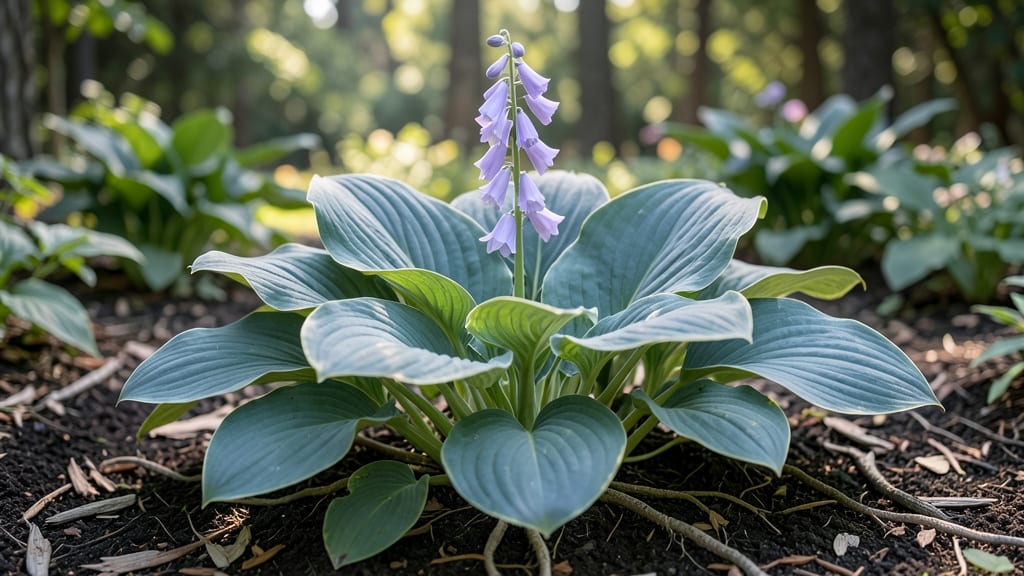
The Big Leaf Blue hosta transforms shady corners into lush, jewel-toned oases—if you know how to keep its foliage spotless. 💚 I’ve grown this variety for years, and the secret to its signature deep blue hue and disease resistance lies in the soil, water, and a little copper spray magic when spots appear.
This hosta thrives in partial to full shade, making it perfect for under trees or north-facing gardens. The key is rich, well-draining soil with plenty of organic matter—think compost mixed with peat or coconut coir. Water consistently but avoid soggy roots, which invite fungal issues like leaf spot.
Once established, this hosta becomes nearly slug-proof and resistant to most pests, but those occasional brown spots? A copper fungicide spray (applied every 2–3 weeks in humid seasons) keeps foliage pristine. The payoff? Glossy, vibrant leaves that stay blue all summer long.
Works in containers or garden beds, and it multiplies easily through division every 3–4 years. Here’s how to grow it without the common pitfalls.
📚 In This Guide
- What you need
- Instructions
- Tips and common mistakes
- Wrapping up and next steps
What you need
- ● Copper fungicide spray: Choose a liquid copper-based fungicide (e.g., Copper Sulfate or Copper Hydroxide). Aim for a 3-4 lb. per 100 gallons of water concentration for general use.
- ● Garden sprayer: A 1-2 gallon pump sprayer (e.g., Chapin 62500) for even coverage.
- ● Gloves: Nitrile or rubber gloves (to protect your skin from copper residue).
- ● Water: Clean, dechlorinated water (rainwater or tap water left out for 24 hours).
- ● Pruning shears: Sterilized shears (for removing severely infected leaves).
- ○ Baking soda solution (optional): 1 tbsp baking soda + 1 quart water + a few drops of dish soap (for mild spot prevention).
- ● Safety goggles: (if spraying near eyes or windy conditions).
- ● Early morning or late evening timing: (to avoid spraying in direct sunlight, which can burn foliage).
- ● Dry, calm weather: (apply when no rain is forecasted for 24-48 hours).
- ● Label or marker: (to mark treated plants and avoid over-application).
- ● Test first: Spray a small area of one leaf to check for sensitivity (some hostas may react to copper).
- ● Rotate treatments: Alternate copper spray with neem oil or potassium bicarbonate to prevent resistance.
- ● Clean up: Remove fallen leaves post-treatment to reduce reinfection.
Step-by-Step guide to cultivating big leaf blue hosta with copper spray defense
Here's how I grow lush, disease-resistant Big Leaf Blue hostas that stay spot-free all season long.
🌱 Step 1: Select the Perfect Planting Location
Big Leaf Blue hostas thrive in partial shade—4-6 hours of morning sun followed by afternoon shade protects their striking blue foliage from scorching. I always plant mine where they receive dappled sunlight through nearby trees, which mimics their natural woodland habitat. The key is avoiding harsh afternoon rays that can bleach the leaves.
Test your spot by observing how sunlight moves across the area throughout the day. You'll know you've found the right location when the leaves stay cool to the touch even on the hottest days. If your yard lacks natural shade, a 60% shade cloth stretched overhead works perfectly for container-grown plants.
🪴 Step 2: Prepare Rich, Moist Soil
These hostas demand well-draining but moisture-retentive soil with a pH between 6.5-7.5. I blend 2 parts garden soil with 1 part compost and 1 part perlite to create the ideal texture. The perlite prevents root rot while the compost provides essential nutrients for that vibrant blue color.
Dig a hole twice as wide as the root ball but only as deep as the container it came in. Amend the native soil within the hole with your prepared mix, then water thoroughly before planting. The soil should feel slightly damp like a wrung-out sponge—never soggy. If your soil drains too quickly, add a handful of peat moss to the mix.
☀️ Step 3: Plant and Mulch for Protection
Set the hosta in the hole so the crown sits just below soil level—never buried deeper than ½ inch. This prevents rot while allowing the roots to establish quickly. Gently backfill with your amended soil, pressing lightly to eliminate air pockets around the roots. Water immediately after planting to settle everything in place.
Apply 3 inches of organic mulch (like shredded bark) around the base, keeping it 2 inches away from the stem. This mulch layer conserves moisture, regulates soil temperature, and—most importantly—creates a barrier that prevents fungal spores from splashing onto the leaves during rain. Replenish mulch annually as it breaks down.
💧 Step 4: Water Deeply and Consistently
Big Leaf Blue hostas need 1-1.5 inches of water weekly, delivered deeply at the base rather than frequent shallow waterings. I water mine early in the morning to allow foliage to dry before evening, which reduces fungal pressure. You'll know your watering is correct when the top 2 inches of soil feel dry to the touch between waterings.
During extreme heat, increase to twice-weekly waterings but never let water pool around the crown. Yellowing leaves often signal underwatering, while mushy stems indicate overwatering. The ideal plant should have firm stems and deep blue-green foliage that stands upright rather than wilting or drooping.
✂️ Step 5: Apply Copper Spray Proactively
At the first sign of brown spots or black fungal rings on leaves, mix a copper fungicide spray (like Copper Sulfate) at the rate of 1 tablespoon per gallon of water. I spray early in the morning on a still, dry day to allow the solution to dry completely before evening dew forms. This prevents the copper from burning tender foliage.
Apply the spray until runoff on the undersides of leaves—that's where fungal spores hide. Repeat every 10-14 days throughout the growing season or after heavy rains. For prevention, I apply a light copper spray in early spring just as new growth emerges. This creates a protective barrier before fungal spores can take hold.
Tips & tricks for perfect big leaf blue hosta cultivation
Common pitfalls—and how to sidestep every one when growing these stunning perennials.
Lighting Strategy: The 4-6 hours of morning sun in Step 1 is non-negotiable for that signature blue color. I've learned the hard way that afternoon sun bleaches the foliage—even just 2 hours of direct afternoon rays will dull those vibrant blues. If your yard only gets harsh afternoon light, consider planting near a north-facing wall or under deciduous trees that provide summer shade. For containers, that 60% shade cloth is your best friend on south-facing patios.
Soil Science: That 6.5-7.5 pH range in Step 2 isn't just a suggestion—it's what unlocks the hosta's full potential. I test my soil annually with a simple kit from the garden center. If your soil tests acidic (below 6.5), mix in dolomitic lime according to package directions before planting. For clay-heavy soils, the perlite-to-compost ratio should be 1:1 instead of 1:2 to improve drainage without sacrificing moisture retention. Think of it as creating a sponge that holds water but never stays soggy.
Copper Spray Precision: The 1 tablespoon per gallon ratio in Step 5 is crucial, but timing matters just as much. I've found that applying copper spray when the hosta's leaves are completely dry—even if it means waiting until mid-morning—prevents the copper from burning tender new growth. Pro tip: Mix your spray the night before and store it in a dark spray bottle. This gives the copper time to fully dissolve and creates a more consistent solution for the next morning's application.
Mulch Maintenance: That 3-inch mulch layer in Step 3 isn't just for looks—it's your first line of defense against fungal spores. I check my mulch every 6-8 weeks during growing season, breaking down any compacted areas with a fork to maintain proper airflow. For extra protection in rainy climates, I add a ½-inch layer of coarse sand between the mulch and soil. This creates a natural barrier that prevents water from pooling directly against the stems while still allowing moisture to reach the roots.
Pro Tips for Big Leaf Blue Hosta
- Common pitfalls—and how to sidestep every one when growing these stunning perennials.
- Lighting Strategy: The 4-6 hours of morning sun in Step 1 is non-negotiable for that signature blue color. I've learn...
- Soil Science: That 6.5-7.5 pH range in Step 2 isn't just a suggestion—it's what unlocks the hosta's full potential. I...
Frequently asked questions
Got questions about growing big leaf blue hosta? You’re not alone! Here are answers to the most common concerns—from spotting issues to care tips—to keep your hostas thriving and stunning.
Why does my big leaf blue hosta get brown spots, and how do I fix them?
Brown spots on Hosta 'Blue Angel' or similar varieties are often caused by fungal diseases like leaf spot or slug damage. Start with a copper fungicide spray (like the one in our guide) to treat fungal issues. For slugs, set up beer traps or diatomaceous earth barriers. Always water at the base (not overhead) to prevent fungal spread.
How long does it take for big leaf blue hosta to reach full size?
These beauties grow at a moderate pace. Under ideal conditions (partial shade, rich soil), they’ll reach their mature size of 2–3 feet tall and wide in 3–5 years. Patience pays off—just keep them well-mulched and fertilized for faster growth!
Can big leaf blue hosta survive in full sun?
While they tolerate morning sun, full sun can scorch their leaves and dull their blue hue. Aim for partial shade (4–6 hours of filtered light daily). If you must place them in sunnier spots, ensure the soil stays consistently moist and mulched to protect roots.
What’s the best alternative if my hosta keeps getting eaten by deer?
Deer love hostas! Try these deer-resistant swaps with similar shade-loving vibes: Hosta 'Halcyon' (white edges), Heuchera (coral bells), or Ferns like Dryopteris. For extra protection, wrap young hostas in deer repellent fabric or use commercial sprays.
How often should I water big leaf blue hosta?
Keep soil evenly moist but not soggy. Water 1–2 times per week (more in extreme heat), focusing on the base of the plant. Mulch with 3–4 inches of organic matter (like shredded bark) to retain moisture and deter weeds. Yellowing leaves? You’re likely overwatering!
Can I divide my big leaf blue hosta, and when’s the best time?
Yes! Divide hostas in early spring or fall when they’re dormant. Dig up the clump, separate into 3–5 inch sections with roots and shoots, and replant immediately. Avoid dividing in summer—it stresses the plant. Pro tip: Wear gloves—hosta leaves can irritate skin!
Wrapping up and next steps
Growing big leaf blue hosta can be incredibly rewarding with the right care—especially when you tackle those pesky spots with a simple copper spray cure! 🌿 Whether you're a seasoned gardener or just starting out, keeping your hosta foliage vibrant and disease-free is totally within reach.
Remember, consistency in monitoring and treatment is key to long-term success.
Now that you’re armed with the know-how, take action! Grab your copper spray, check your hostas regularly, and enjoy the lush, spotless beauty they bring to your garden. Happy growing! 🌱