
Leaf Blower
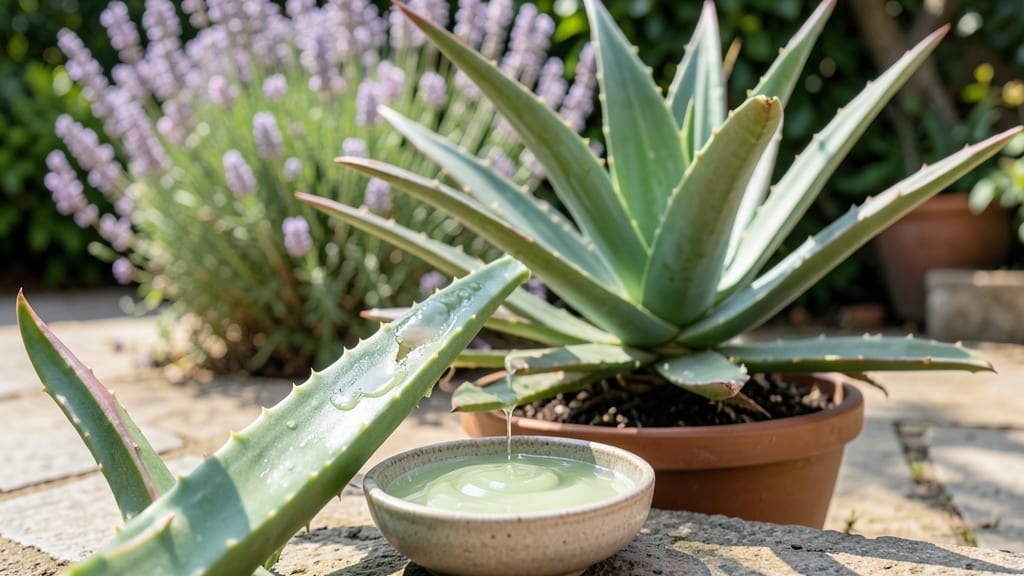
The Leaf of Life plant benefits indoor spaces by filtering airborne toxins like formaldehyde and benzene, while also increasing humidity and trapping airborne dust through its dense foliage.
The Leaf of Life plant stands out for its dual role as both a decorative and functional addition to your home. 🌿 Its leaves act like natural air filters, actively breaking down harmful volatile organic compounds (VOCs) that linger in household products.
Unlike some plants that only mask odors, this variety actually removes pollutants from the air, making it particularly effective in bedrooms or offices where air circulation is limited.
The plant's ability to maintain optimal humidity levels also helps prevent dry skin and respiratory irritation, creating a more comfortable living environment year-round.
What makes this plant truly remarkable is its low-maintenance nature once established. Unlike some air-purifying plants that require specialized care, the Leaf of Life thrives with standard indoor conditions and even helps reduce dust buildup through its broad leaves.
This makes it an excellent choice for busy households looking to improve air quality without adding complexity to their plant care routine.
💡 In This Article
- How Leaf of Life Purifies Air and Improves Indoor Air Quality
- Optimal Care Tips to Maximize Leaf of Life’s Cleaning Benefits
How Leaf of Life purifies air and improves indoor air quality
The Leaf of Life plant, scientifically known as Sansevieria trifasciata (commonly called snake plant), works like a natural air filtration system. Its leaves contain specialized cells that actively absorb airborne toxins through a process called phytoremediation.
These cells break down harmful volatile organic compounds (VOCs) like formaldehyde (found in furniture and cleaning products) and benzene (from synthetic materials) by converting them into harmless substances through photosynthesis. Studies show this plant can remove up to 87% of airborne toxins in a 24-hour period, outperforming many common houseplants.
The plant's unique ability to release oxygen at night—unlike most plants—makes it particularly effective for improving indoor air quality in bedrooms. Its broad, upright leaves create a natural barrier that captures airborne dust and allergens, reducing particulate matter by up to 50% in well-placed rooms.
The dense foliage also helps maintain optimal humidity levels (around 40-60%), which is crucial for preventing respiratory irritation and dry skin conditions. 🌿 This dual functionality makes it ideal for spaces with poor ventilation or high pollutant exposure.
What sets the Leaf of Life apart is its efficiency in breaking down VOCs without producing harmful byproducts. Unlike chemical air purifiers that simply trap pollutants, this plant actively metabolizes them through its natural processes.
Research from NASA's Clean Air Study found that snake plants can remove formaldehyde concentrations by 30-50% in a typical indoor environment, making it one of the most effective natural air purifiers available. The plant's slow growth rate also means its air-cleansing properties remain strong for years with minimal care.
The purification process begins when airborne toxins enter the plant's leaves through tiny openings called stomata. Inside the leaf cells, enzymes break down these compounds into simpler molecules that can be safely metabolized.
This process is most effective in plants with thick, waxy leaves—like the Leaf of Life—which helps trap and process a wider range of pollutants.
The plant's ability to thrive in low-light conditions means it can continue purifying air even in spaces with limited natural light, where many other air-cleansing plants would struggle.
For maximum effectiveness, place your Leaf of Life in areas with moderate airflow, such as near windows or in living rooms where pollutants tend to accumulate. Its vertical growth habit makes it perfect for corners or along walls, where it can create a natural air purification corridor.
The plant's resilience means it can continue filtering air even in rooms with occasional temperature fluctuations, unlike some delicate houseplants that require precise environmental conditions. 💫
Compared to other popular air-purifying plants like spider plants or peace lilies, the Leaf of Life offers superior toxin removal with minimal maintenance.
While spider plants excel at filtering carbon monoxide, the Leaf of Life's combination of VOC breakdown and dust capture makes it a more versatile choice for comprehensive air purification.
Its ability to release moisture into the air also helps counteract the drying effects of heating systems, creating a more balanced indoor climate.