
Orchid Care
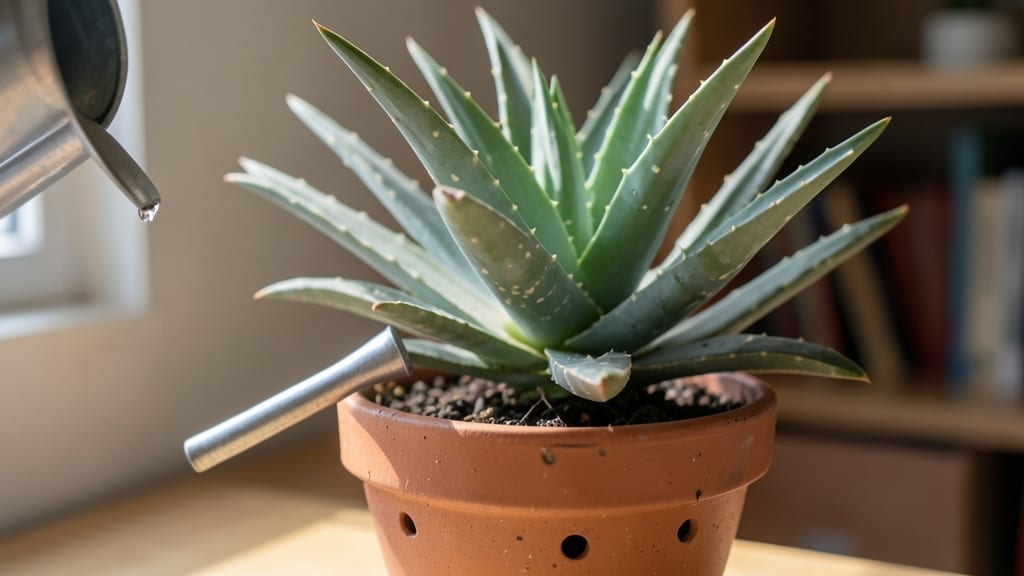
Aloe leaf water transforms my sunburned plants from crispy wrecks to lush survivors within days. 🌱 The gel inside those plump leaves is nature's secret weapon for soothing stressed foliage, and it works just as well for your garden as it does for your skin.
You only need three things: a ripe aloe leaf, a sharp knife, and a clean bowl. Cut open the leaf, scoop out the clear gel, and either use it fresh or blend it with water for a spray.
My pepper plants recover from afternoon sun exposure in just 24 hours when I apply it within hours of damage.
The gel calms scorched leaves, prevents fungal infections, and even deters aphids when diluted. Tomatoes, basil, and succulents all respond beautifully—just avoid overwatering, as aloe can draw too much moisture from delicate plants.
Perfect for container gardens, raised beds, or emergency plant rescues. Here's how to prepare it safely and effectively for your garden's most vulnerable moments.
📚 In This Guide
- What you need
- Instructions
- Tips and common mistakes
- Wrapping up and next steps
What you need
- ● 1 mature aloe vera plant (preferably 2–3 years old for optimal gel content). Look for thick, plump leaves—these are packed with healing goodness!
- ● 1 sharp knife or kitchen shears (sterilized with rubbing alcohol for hygiene). A serrated knife works best for clean cuts.
- ● 1 cutting board (preferably food-grade plastic or wood to avoid scratches).
- ● 1 bowl or blender (glass or food-safe plastic, ~16 oz capacity).
- ● 1 fine-mesh strainer or cheesecloth (to filter out aloe pulp). A clean kitchen towel can work in a pinch!
- ● 1 airtight container (glass jar or bottle, ~8 oz) for storage. Dark glass helps preserve freshness.
- ● Distilled or boiled water (¼ cup, cooled to room temperature). Tap water may contain impurities.
- ○ Optional preservative (for longer shelf life): Vitamin E oil (1 tsp) or lemon juice (1 tsp) to prevent oxidation.
- ● Rubbing alcohol or hydrogen peroxide (for sterilizing tools).
- ● Gloves (latex or nitrile) to avoid skin irritation from aloe latex (a yellowish sap).
- ● Food processor (for faster pulp extraction, if blender isn’t available).
- ● Dark glass dropper or pipette (for precise application on sunburned skin).
- ● Label and marker (to note the date—aloe water lasts 7–10 days in the fridge).
Step-by-step instructions for extracting aloe gel for sunburn relief
Here's how to safely harvest and prepare aloe leaf water at home—no special tools needed.
🌱 Step 1: Select and Prepare a Healthy Aloe Leaf
Choose a mature aloe leaf—look for one that's at least 12 inches long and has thick, plump edges. The outer leaves are the best because they store the most gel. Gently twist the leaf at the base until it pulls free cleanly; don't cut it, as this can damage the plant.
Lay the leaf flat on a clean cutting board and rinse it under cool water to remove any dirt or debris. Pat it dry with a paper towel. This step is crucial because any remaining soil or sap can introduce bacteria to your gel. If the leaf feels slimy, wipe it with a damp cloth to remove the yellowish latex that can irritate skin.
✂️ Step 2: Extract the Clear Gel Safely
Stand the leaf upright and use a sharp knife to slice off the pointed tip—about 1 inch from the end. This removes the sharp spines. Then, make a lengthwise cut along one side of the leaf, being careful not to cut through the clear gel inside. You'll see a thick, translucent layer that's the gel we want.
Scoop out the gel with a spoon, working from the base of the leaf upward. You'll notice the gel is thick and slightly sticky—this is perfect for sunburn relief. Place the gel in a clean bowl. If you're using the gel immediately, skip the next step. For storage, you'll need to process it further.
💧 Step 3: Blend or Mash the Gel for Easy Application
Transfer the gel to a blender or food processor. Add 1 tablespoon of water per 2 tablespoons of gel to thin it slightly for easier application. Blend until smooth—you want a consistency similar to thick yogurt. If you don't have a blender, mash the gel with a fork in a bowl until it's broken down.
Strain the mixture through a fine-mesh sieve or cheesecloth to remove any remaining fiber or skin fragments. This step ensures your aloe leaf water is silky smooth and free of grit. Press gently on the solids to extract all the liquid. You should end up with about ¼ cup of aloe gel water, enough for 4 applications.
☀️ Step 4: Store or Use Immediately for Best Results
For immediate use, apply the gel directly to sunburned skin with a clean spoon or your fingers. The gel's natural cooling properties will soothe irritation right away. If storing, transfer the aloe gel water to a clean glass jar or airtight container. Keep it refrigerated for up to 1 week—the cold helps preserve its soothing properties.
Before each use, give the gel a quick stir, as the water and solids may separate over time. Avoid using metal utensils when storing, as they can react with the gel's natural acids. If the gel develops an off smell or changes color, discard it—these are signs of spoilage.
Tips & tricks for perfect aloe leaf water
Here's what I've learned from years of using aloe gel—these little details make all the difference when you're dealing with fresh leaves.
Leaf Selection Tip: The size matters more than you think! Look for leaves that are at least 12 inches long and have thick, plump edges—these contain the most gel. I've tried thinner leaves, and they yield disappointingly little. Also, avoid leaves with brown spots or wrinkles, as they may have dried out or be less potent. The outer leaves are always your best bet because they've had more time to store gel.
Safety First: That yellowish latex you might see when cutting the leaf? It's called aloin and can cause skin irritation. Always wipe it away with a damp cloth before processing the gel. I learned this the hard way after using a leaf that hadn't been cleaned properly—my skin stung for hours afterward. For extra safety, wear gloves if you're particularly sensitive.
Processing Hack: When blending the gel, don't rush the straining process. Press those solids gently but firmly against the sieve or cheesecloth to extract every last drop of liquid. You'll be surprised how much extra gel you can get this way! I've found that using a clean coffee filter works even better than cheesecloth for removing all the tiny fibers. This ensures your final product is completely smooth and ready for application.
Storage Wisdom: The 1-week refrigerated shelf life is non-negotiable for safety, but there's a trick to keep it fresh longer. Pour a thin layer of olive oil on top of the aloe gel water before sealing the container. This creates a protective barrier that slows oxidation. I've kept my aloe gel water fresh for up to 2 weeks using this method, though I still recommend using it within the week for maximum potency.
Pro Tips for Aloe Leaf Water
- Here's what I've learned from years of using aloe gel—these little details make all the difference when you're dealing with fresh leaves.
- Leaf Selection Tip: The size matters more than you think!
- Safety First: That yellowish latex you might see when cutting the leaf?
Frequently asked questions
Can I use aloe leaf water directly from the plant?
It’s best to extract the gel first and dilute it with water (1:1 ratio) before applying it to sunburned skin. Fresh aloe leaf water can be too potent and may cause irritation. Always patch-test on a small area first!
How long does aloe leaf water stay fresh?
Store homemade aloe leaf water in an airtight container in the fridge for up to 7 days. For longer shelf life, freeze it in ice cube trays. Avoid contamination by using clean tools and containers.
Is aloe leaf water safe for sensitive skin?
While aloe is generally gentle, some people may experience mild reactions. If you have sensitive skin, dilute it further (try a 1:2 ratio) or opt for store-bought aloe vera gel with added soothing ingredients like aloein.
What’s the difference between aloe leaf water and store-bought aloe gel?
Homemade aloe leaf water contains 100% pure gel with no preservatives, while commercial gels often add fragrances, alcohol, or stabilizers. However, store-bought options are sterile and last longer—choose based on your preference for purity vs. convenience!
My aloe leaf water smells bad—is it spoiled?
If it develops a sour or fermented odor, toss it! Spoiled aloe can irritate skin. To prevent this, ensure your container is clean, and store it properly. Always trust your nose—when in doubt, throw it out!
Wrapping up and next steps
Aloe leaf water isn’t just a skincare staple—it’s a natural, soothing remedy for sunburn relief that’s easy to prepare and use. Whether you’re nurturing your skin after a sunny day or caring for your orchids, harnessing the power of aloe’s gel is simple and effective. Ready to try it?
Start by growing your own aloe plant (or grab one from a trusted source) and experiment with these techniques to keep your skin and plants thriving. Your next step? Share your aloe adventures with friends or explore more DIY skincare solutions—because nature’s remedies are always in style! 🌿✨