
Pests and Diseases
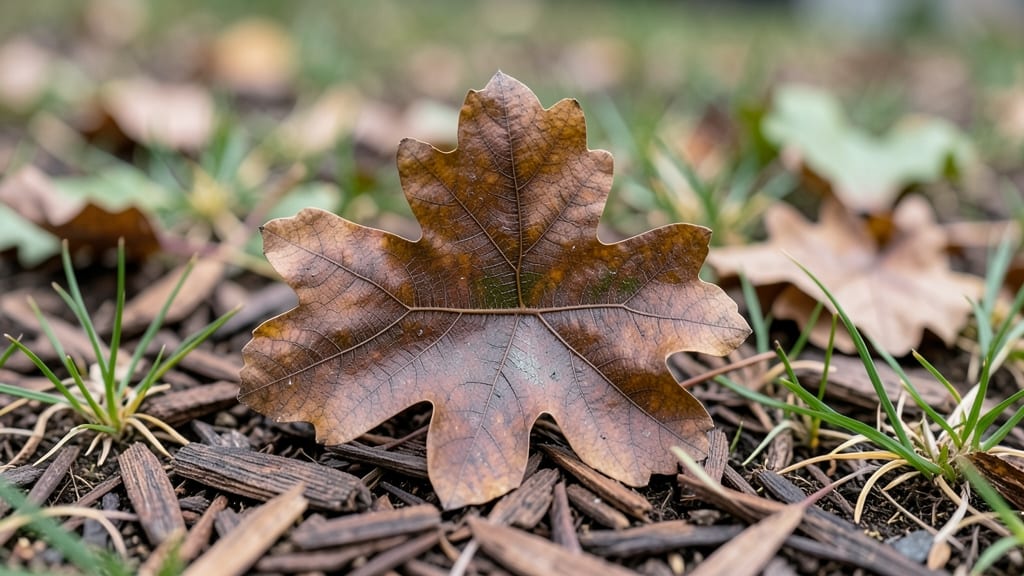
A dead leaf with black spots could be your plant’s SOS signal. 🌿 Fungal infections like anthracnose or bacterial leaf spot turn vibrant foliage into a sad, spotted mess—and copper spray is your secret weapon to stop the spread.
I’ve used it to save my roses, tomatoes, and even fussy houseplants from turning into leaf litter.
The culprit is often overhead watering or humid conditions that give fungi the perfect breeding ground. You’ll spot those telltale brown or black spots first on lower leaves, then watch them creep upward like an invasion.
The good news? Copper spray disrupts fungal spores without harming your plants, and it’s safer than harsh chemicals for edibles.
Within 7-10 days of spraying, you’ll see new growth pushing through unscathed. The dead leaves? Snip them off completely—don’t compost them—to prevent reinfection. Your plants will bounce back stronger, and you’ll catch early signs before they become a full-blown crisis.
Works for vegetables, flowers, and even indoor plants struggling in damp conditions. The key is consistency: spray every 7-10 days during outbreaks, and your garden’s foliage will stay lush and disease-free. Here’s how to do it right—no more sad, spotted leaves on your watch.
Root Causes of Leaf Discoloration
When you spot a wilted, brown, or crinkled leaf on your prized plants, it’s often a cry for help—usually from an unseen fungal foe. Fungal leaf spots (like those caused by Alternaria, Septoria, or Cercospora) thrive in damp conditions, turning vibrant foliage into sad, dead patches.
But why does this happen in the first place? Let’s break down the science behind the struggle and how environmental factors create the perfect storm for fungal attacks.
Fungi love moisture—think of them as aquatic invaders waiting for a puddle to move in. When plants are crowded or shaded, air struggles to flow, trapping humidity around leaves. This creates a high-moisture microclimate, ideal for fungal spores to germinate and spread.
- Why it matters: Stagnant air slows evaporation, keeping leaves damp longer. Fungal spores land on surfaces, germinate, and penetrate leaf tissue within 24–48 hours in humid conditions.
- Actionable fix:
- Space plants 3–5 feet apart for airflow.
- Use fans in greenhouses or indoor gardens to reduce humidity below 70%.
- Water in the early morning so leaves dry by sunset.
Splashing water onto leaves isn’t just inefficient—it’s a fungal delivery system. Water droplets carry spores directly to leaf surfaces, while prolonged wetness softens plant tissue, making it easier for fungi to invade.
- Why it matters: Overhead irrigation (like sprinklers) can spread spores from infected leaves to healthy ones. Studies show leaf wetness for 6+ hours dramatically increases fungal infection rates.
- Actionable fix:
- Switch to drip irrigation or soaker hoses to target soil, not foliage.
- Avoid watering late in the day—evening moisture lingers overnight.
- Use a rain shield or adjust sprinklers to avoid foliage.
Stressed plants are like open doors for fungi. Nutrient deficiencies, root damage, or pest attacks (like spider mites or aphids) compromise the leaf’s natural defenses, making it easier for pathogens to take hold.
| Stress Factor | How It Helps Fungi | Quick Solutions |
|---|---|---|
| Nutrient deficiency (e.g., nitrogen, magnesium) | Thins cell walls, reducing resistance to fungal penetration. | Apply balanced fertilizer (10-10-10) or compost tea. |
| Root damage (compacted soil, poor drainage) | Limits water/nutrient uptake, weakening leaves. | Amend soil with perlite or vermiculite; mulch to retain moisture. |
| Pest infestations (e.g., aphids, whiteflies) | Pests create wounds and excrete honeydew, fostering fungal growth. | Spray with neem oil or introduce ladybugs. |
Fungal leaf spots aren’t random—they peak during warm, wet seasons (spring/fall) when temperatures hover around 60–80°F (15–27°C). Heavy dew, rain, or sudden temperature swings create the perfect conditions for outbreaks.
- Why it matters:
- Cool nights + warm days = condensation on leaves.
- Fungal spores dormant in winter wake up with spring rains.
- Actionable fix:
- Monitor weather forecasts—increase spacing before rain.
- Use fungicide sprays (like copper-based solutions) proactively in high-risk seasons.
- Choose resistant plant varieties (e.g., disease-resistant tomatoes or roses).
💡 Pro Tip: If you’ve ruled out fungi (e.g., spots are yellow with no brown edges), check for bacterial leaf spot or nutrient burns. A soil test or microscope can confirm the culprit!
Quick Fixes for Fungal Spots
Fungal spots on leaves—often called "a dead leaf" when left untreated—can drain your plants’ vitality, but the good news is that copper spray is a powerful, natural remedy to turn things around.
Below, we break down the step-by-step solutions tailored to the root cause of the problem, plus prevention tips to keep your plants thriving long-term.
Cause: Early-stage fungal infection (e.g., rust, leaf spot, or powdery mildew). Fix: Act fast with copper fungicide to stop the spread.
- 🍳 Mix Your Copper Spray
- Use 1–2 tbsp of liquid copper fungicide (like copper sulfate or copper hydroxide) per gallon of water.
- Pro tip: Add 1 tsp of mild dish soap to help the spray stick to leaves. 🧼
- 👨🍳 Apply Evenly (Top & Bottom)
- Spray both sides of leaves (fungi often hide underneath!).
- Focus on new growth, stems, and soil (some fungi lurk there too).
- Best time: Early morning or late afternoon to avoid leaf burn from sunlight.
- ⏰ Reapply Every 7–14 Days
- Fungal spores are stubborn—consistency is key. Keep spraying until new leaves emerge fungus-free.
Cause: Advanced infection (leaves turning brown, crispy, or falling off). Fix: Aggressive treatment + plant care reset.
- 🔪 Prune the Damage
- Snip off severely infected leaves with sterilized scissors (wipe with rubbing alcohol between cuts).
- Dispose of them in the trash (not compost)—fungi can survive in yard waste.
- 🌡️ Boost Plant Recovery
- Water at the base (avoid overhead spraying—wet leaves = fungal buffet).
- Improve airflow by spacing plants or trimming dense foliage.
- Fertilize lightly with a balanced, organic fertilizer (too much nitrogen = weaker defenses).
- 💡 Strengthen Natural Defenses
- Neem oil spray (1 tbsp neem oil + 1 tsp soap per quart of water) 2x/week for 2 weeks.
- Baking soda spray (1 tsp baking soda + 1 quart water + a drop of soap) once a week (great for powdery mildew).
Once your plant recovers, don’t let it happen again with these easy habits:
| Problem | Solution |
|---|---|
| Poor airflow | Space plants 12–18" apart; use fans in greenhouses. |
| Overwatering | Water deeply but less often; check soil moisture before watering. |
| Dirty tools/garden beds | Sanitize pruners with rubbing alcohol or bleach water (1:10 ratio). |
| Old leaves/debris | Clean up fallen leaves weekly; mulch properly (not too thick). |
| Stressed plants | Feed with compost tea or fish emulsion for stronger immunity. |
🎯 Pro Tip: Rotate sprays—don’t rely only on copper. Alternate with neem, potassium bicarbonate, or horticultural oil to prevent resistance.
✨ Final Reminder: Copper spray works best as a preventive measure—treat plants before you see spots! If your plant is already severely damaged, it may not recover, so act fast when you spot the first signs. 🚀
Frequently asked questions
Why does my plant keep getting dead leaves with spots even after pruning?
Pruning alone won't stop fungal spread—you must treat the underlying cause. Fungal spores often linger in soil or on tools. After removing infected leaves, apply copper spray to both foliage and soil, and sterilize your pruners with rubbing alcohol. For stubborn cases, combine with neem oil every 7 days until new growth appears.
Is copper spray safe for edible plants like tomatoes or herbs?
Yes, when used correctly! Copper fungicides are OMRI-listed for organic gardening and safe for edibles. Follow label instructions—typically apply 3-5 days before harvest. Avoid spraying flowers to protect pollinators. For extra safety, use copper hydroxide (less toxic than sulfate) and always rinse produce before eating.
Can I use copper spray on houseplants like fiddle-leaf figs?
but dilute it! Houseplants have delicate leaves, so use half the recommended dose (1 tbsp per gallon). Test on one leaf first—some plants may develop minor brown spots from copper sensitivity. For sensitive varieties, try a baking soda spray (1 tsp baking soda + 1 quart water) instead.
How do I know if my dead leaf is from fungus or something else?
Check these clues: Fungal spots are brown/black with yellow halos, often on lower leaves. Other causes: Bacterial spots (water-soaked, no halos), nutrient burns (crispy edges), or insect damage (holes/chewed edges). For confirmation, scrape a tiny sample onto a damp paper towel—fungi show fuzzy growth in 24 hours.
Will copper spray work in cold weather?
No—copper loses effectiveness below 50°F (10°C). For winter use, switch to dormant oil spray (applied when plants are inactive) or focus on preventive care: remove fallen leaves and improve airflow. Copper works best in 60-85°F (15-29°C) conditions when fungal growth is active.