
Plants
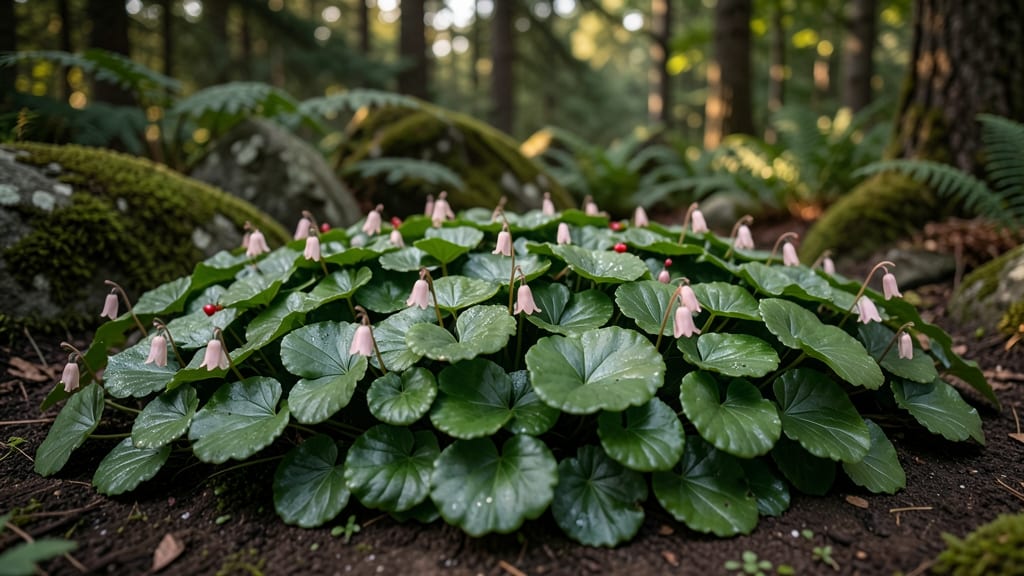
The six-leaf vine grows roots in water faster than I can say "propagation." 🌱 This tropical climber starts with a single cutting and explodes into lush, heart-shaped leaves within weeks—no fancy equipment needed.
The secret lies in its adaptability: whether you root it in water or soil, it thrives with minimal fuss, making it perfect for beginners eager for quick results.
Start with a healthy vine cutting (4-6 inches long) and place it in a jar of water or moist soil. Within 2-3 weeks, roots will sprout, and you'll have a ready-to-climb plant.
The key is keeping the cutting humid and bright—no direct sun at first—while letting nature do the rest. This vine grows aggressively, so plan to train it on a trellis or fence early to avoid tangled chaos.
Once established, your six-leaf vine will reward you with vibrant green foliage that stays lush year-round in warm climates. It handles occasional neglect but flourishes with regular watering and occasional pruning to encourage bushier growth. The best part? It purifies indoor air while adding a tropical touch to any space.
Whether you're filling a hanging basket, covering a bare wall, or adding greenery to a patio, this vine adapts effortlessly. Just remember: the faster it grows, the sooner you'll need to trim it back. Here's how to keep it thriving all season long.
Genetic And Environmental Triggers
The phenomenon of a 6-leaf vine—where a plant sprouts an unusual number of leaflets instead of the typical 3 or 5—isn’t just random luck. It’s the result of a fascinating interplay between genetics and environmental factors.
Understanding these triggers can help gardeners encourage (or avoid) this trait in their plants. Let’s break down the science behind it.
Some plants are naturally predisposed to produce leaves with more leaflets due to genetic quirks. In species like the hexaphyllium (a variant of Pilea or Tradescantia), a recessive or dominant gene may influence leaf morphology. Here’s how it works:
- Polyploidy: Some plants have extra sets of chromosomes, which can alter leaf structure. For example, a Tradescantia with tetraploidy (4 sets of chromosomes) may produce broader, multi-leaflet leaves.
- Gene Expression: Mutations in genes like _KNOX_ (a family of genes regulating leaf development) can lead to abnormal leaflet counts. Think of it like a software glitch in the plant’s growth code!
- Hybridization: Crossbreeding two plant varieties can produce offspring with unexpected traits, including extra leaflets. This is why some gardeners intentionally propagate unusual vines.
Actionable Tip: If you’re growing from seed, source plants known for genetic diversity (e.g., Pilea peperomioides varieties). For cuttings, select stems with the desired trait to propagate.
Plant hormones—like auxins, cytokinins, and gibberellins—act as conductors in an orchestra, dictating how leaves form. When these hormones are out of balance, the result can be leaves with an unusual number of leaflets. Here’s why:
- Cytokinin Dominance: This hormone promotes cell division and shoot growth. If cytokinins are overly active (e.g., due to stress or nutrient imbalances), it can lead to wider, more complex leaves with extra leaflets.
- Auxin Disruption: Auxin typically suppresses lateral growth. If its levels drop (e.g., due to poor light or root damage), the plant may produce more leaflets as a compensatory mechanism.
- Gibberellin Influence: High gibberellin levels can elongate stems and alter leaf shape. In some cases, this leads to larger, more segmented leaves.
Actionable Tip: Monitor your plant’s growth conditions. Overwatering or nutrient deficiencies (like low nitrogen) can throw hormones off balance. Use a balanced fertilizer (e.g., 10-10-10) to maintain equilibrium.
Extreme or fluctuating environmental conditions can trigger abnormal leaf development. Temperature and light play critical roles in how a plant’s meristems (growth points) differentiate into leaflets.
- Heat Stress: High temperatures (above 85°F/30°C) can disrupt cell division in meristems, leading to broader, multi-leaflet growth. This is common in tropical vines like Epipremnum aureum (pothos).
- Cold Shock: Sudden drops in temperature can cause meristematic cells to divide erratically, resulting in extra leaflets as the plant recovers.
- Inconsistent Light: Low light forces plants to stretch (etiolation) and can lead to wider, more segmented leaves. Conversely, intense direct sunlight may cause leaflet fusion or splitting.
Actionable Tip: Maintain stable conditions—aim for temperatures between 65–75°F (18–24°C) and indirect bright light. If propagating in water, keep the cutting in a warm, humid environment to reduce stress.
Water and nutrients are the building blocks of leaf development. When either is inconsistent, the plant may produce leaves with irregular leaflet counts as a survival strategy.
- Overwatering: Soggy soil leads to oxygen deprivation in roots, which can cause hormonal imbalances. The plant may respond by producing thicker, multi-leaflet leaves to maximize photosynthesis.
- Nutrient Deficiencies: Low levels of magnesium (a key component of chlorophyll) or boron (essential for cell wall formation) can distort leaf growth, sometimes resulting in extra leaflets.
- Transplant Shock: Moving a vine to a new pot or soil can disrupt its root system, leading to temporary hormonal chaos and unusual leaf development.
Actionable Tip: Use well-draining soil (e.g., a mix of perlite, peat, and coconut coir) and water only when the top inch of soil is dry. For nutrient issues, test your soil and amend with compost or a chelated iron supplement if needed.
Sometimes, the reason behind a 6-leaf vine is as simple as a misplaced snip or a bump. Physical stress can trigger compensatory growth, leading to more complex leaves.
- Apical Meristem Damage: The tip of a vine (where growth hormones concentrate) is cut or damaged. The plant may produce wider, multi-leaflet growth from lateral buds to compensate.
- Root Pruning: Trimming roots too aggressively can cause the plant to redirect energy, sometimes resulting in broader leaves with extra segments.
- Mechanical Stress: Rubbing against walls or being crowded by other plants can cause physical trauma, leading to abnormal leaf development.
Actionable Tip: When pruning, always cut just above a leaf node (where new growth emerges) to avoid damaging the apical meristem. Support vines with trellises to prevent physical stress.
Quick Fixes for Healthy Growth
Now that you understand why your 6-leaf vine might struggle, let’s tackle the solutions! Whether your plant is wilting, developing yellow leaves, or growing too slowly, these practical fixes will get it back on track—fast. We’ve broken them down by common issues, so you can diagnose and act without guesswork.
If your 6-leaf vine (often Tetrastigma voinierianum) looks droopy or lifeless, it’s usually a sign of overwatering, root rot, or dehydration. Here’s how to bring it back:
🔥 Step 1: Check the Roots (Gently!)
- Remove the plant from its pot and inspect the roots.
- Healthy roots are firm and white or light tan.
- Rotten roots are mushy, dark brown/black, and smell foul.
- Trim away any bad roots with clean scissors (sterilized with rubbing alcohol).
🍳 Step 2: Repot in Fresh Soil
- Use a well-draining potting mix (cactus/succulent mix works great).
- If repotting, choose a slightly larger pot (1–2 inches wider) to avoid overcrowding.
- Pro tip: Add a layer of perlite or orchid bark at the bottom for extra drainage.
👨🍳 Step 3: Adjust Watering Habits
- Let the top 1–2 inches of soil dry out before watering again.
- Water deeply but infrequently—this vine hates soggy roots!
- Prevention tip: Use a moisture meter or stick your finger in the soil to check moisture levels.
⏰ Step 4: Give It Time & Light
- Place it in bright, indirect light (no harsh sun at first).
- Mist the leaves lightly to boost humidity if the air is dry.
- Signs of recovery: New growth within 2–4 weeks!
Yellowing or crispy leaves usually mean overwatering, nutrient deficiency, or pests. Here’s how to treat it:
🌡️ Step 1: Diagnose the Problem
| Symptom | Likely Cause | Quick Fix |
|---|---|---|
| Yellow lower leaves | Overwatering or poor drainage | Let soil dry out; repot if needed |
| Brown, crispy edges | Low humidity or underwatering | Mist leaves; water more consistently |
| Yellow with black spots | Fungal infection (like powdery mildew) | Spray with neem oil or fungicide |
| Holes or chewed leaves | Pests (spider mites, aphids) | Wipe leaves with soapy water; use insecticidal soap |
🎯 Step 2: Boost Nutrients (If Needed)
- Use a balanced liquid fertilizer (like 10-10-10) once a month in spring/summer.
- Prevention tip: Flush the soil with water every 3 months to avoid salt buildup from fertilizers.
✨ Step 3: Prevent Future Issues
- Rotate the pot every few weeks for even light exposure.
- Avoid cold drafts (below 50°F/10°C can shock the plant).
- Prune dead leaves to encourage new growth.
If your 6-leaf vine is growing at a snail’s pace, it’s likely due to lack of light, nutrients, or root-bound stress. Here’s how to turbocharge its growth:
💡 Step 1: Optimize Light Exposure
- Ideal light: Bright, indirect sunlight (east or north-facing windows).
- If indoors: Supplement with a grow light (12–14 hours/day).
- Outdoors? Gradually acclimate it to sun to avoid leaf burn.
🍽️ Step 2: Feed It Right
- Slow-release fertilizer (like Osmocote) at planting time.
- Monthly liquid feed (diluted fish emulsion or seaweed extract) during growing season.
- Prevention tip: Stop fertilizing in fall/winter—the plant rests!
🌿 Step 3: Encourage Root Growth
- Gently loosen roots if the plant is root-bound (before repotting).
- Use a slightly larger pot (just 1–2 inches wider) to avoid stress.
- Water deeply after repotting to help roots establish.
- Water wisely: Stick to the "soak-and-dry" method—water thoroughly, then wait until the soil is dry before watering again.
- Monitor humidity: If your home is dry (common in winter), use a pebble tray or humidifier nearby.
- Inspect regularly: Check leaves weekly for pests or early signs of disease.
- Rotate the plant: Ensures even growth and prevents lopsided vines.
With these simple, actionable steps, your 6-leaf vine should bounce back in no time—and thrive for years to come! 🌿✨
Frequently asked questions
How long does it take for a 6-leaf vine cutting to root in water?
Most cuttings develop roots within 2-3 weeks when placed in clean water at room temperature (65-75°F/18-24°C). Keep the cutting in bright, indirect light and change the water every 5-7 days to prevent algae growth. Some vigorous cuttings may root in just 10-14 days if conditions are ideal!
Can I grow a 6-leaf vine indoors without a trellis?
Yes! While trellises encourage vertical growth, you can train this vine to climb bookshelves, shelves, or even hanging baskets. Use soft plant ties to gently secure stems to supports. For a bushier look, prune the main stem just above a leaf node to encourage lateral growth. Just be prepared for faster growth—this vine can reach 10+ feet in a single season!
Why are my 6-leaf vine's leaves turning yellow?
Yellow leaves usually signal overwatering or nutrient deficiency. Let the top 1-2 inches of soil dry between waterings, and check for root rot by inspecting the roots. If the yellowing is accompanied by brown spots, it may be a fungal issue—try spraying with neem oil and improving air circulation. For prevention, use well-draining soil and avoid soggy conditions.
Is the 6-leaf vine toxic to pets?
No, this vine is considered non-toxic to cats and dogs according to ASPCA standards. However, always monitor your pets when introducing new plants, as individual sensitivities can vary. The vine's safety makes it a great pet-friendly houseplant for homes with curious furry friends!
How do I prune a 6-leaf vine to encourage bushier growth?
Prune in early spring by cutting back 1/3 of the vine's length just above a leaf node. This stimulates branching. For maintenance, trim any leggy stems or overgrown sections regularly. Always use clean, sharp shears to avoid damaging the plant. With proper pruning, you'll get a fuller, more compact vine that's easier to manage.