
Pruning
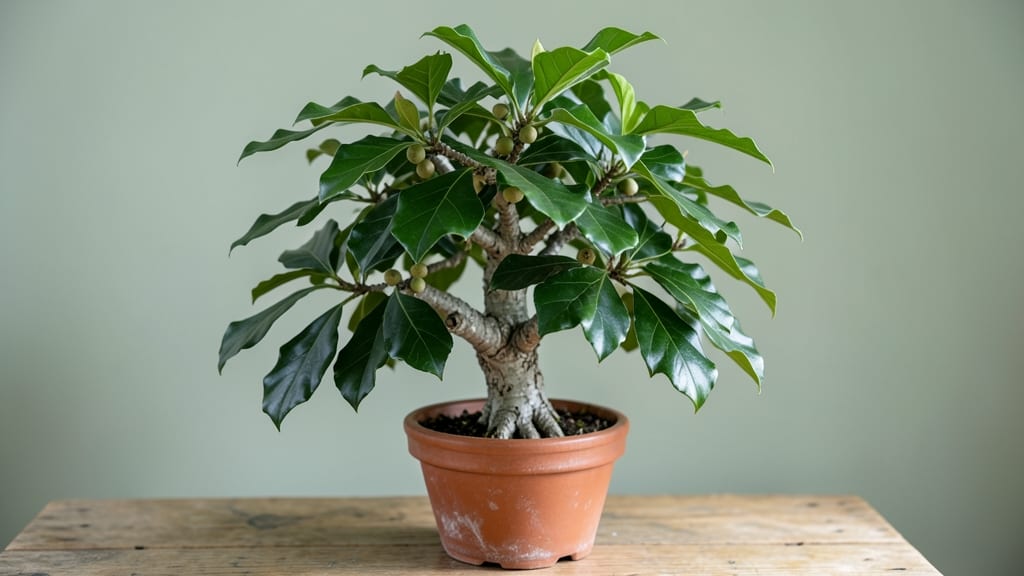
Growing a 5 finger leaf tree that stays lush and full all year starts with understanding its natural shape—those five distinct stems are its signature, but they need the right care to flourish. 🌿 I’ve learned that treating it like a sculptural plant (not just a houseplant) makes all the difference—pruning at the right time and giving it the right light keeps those stems thick and bushy instead of leggy.
The key to bushy growth is light and pruning timing. Place it near a bright window (east or west-facing) or under grow lights to avoid stretched, weak stems. When you prune, cut just above a leaf node at a 45-degree angle—this encourages new branches to fill in those gaps.
Most people over-prune in winter, but spring is the real game-changer for shaping.
With the right approach, you’ll end up with a tree that looks like it belongs in a botanical garden, not just a living room. The leaves stay vibrant, the stems stay sturdy, and you’ll never have to worry about that "bare middle" look.
It’s the kind of plant that turns heads—and keeps turning them, season after season.
Works just as well indoors as outdoors in warm climates (Zones 10-11), though it’s best kept as a container plant for easy winter moves. Here’s how to keep it thriving no matter where you grow it.
Root Causes of Stunted Growth
Understanding why your five-finger leaf tree (or other palm-like foliage) struggles to maintain its iconic shape starts with digging into the science behind its growth patterns.
These trees—often Cordyline fruticosa or similar tropical varieties—thrive on precision, and when things go wrong, it’s usually due to one (or more) of these key factors.
Your five-finger leaf tree is a sun-loving plant, but too little—or too much—light can stunt its growth and distort its signature fan-shaped leaves.
Why it happens:
- Insufficient light: 🌑 When placed in low-light conditions (e.g., deep shade indoors or under dense canopies outdoors), the tree compensates by stretching its stems (etiolation) to reach light. This causes:
- Long, leggy growth instead of compact, bushy branches.
- Smaller, paler leaves that lack the vibrant color and crisp edges of healthy foliage.
- Weak structural integrity, making the tree prone to flopping or breaking.
- Excessive direct sun: ☀️ While these trees enjoy bright light, harsh afternoon sun (especially in hot climates) can scorch leaves, leading to:
- Crispy, brown leaf tips or edges.
- Stunted new growth as the plant conserves energy to repair damage.
- A "burned" appearance that mimics nutrient deficiencies.
Actionable fix:
- Indoors: Place near an east- or west-facing window for indirect light. Supplement with a grow light (12–14 hours/day) if natural light is limited.
- Outdoors: Gradually acclimate the tree to full sun (1–2 hours daily, increasing over weeks). Use shade cloth (30–50%) for protection in peak sun.
Water is the lifeblood of your tree, but imbalances—whether over- or under-watering—can trigger growth issues.
Why it happens:
- Underwatering: 🏜️ The five-finger leaf tree’s roots are sensitive to dryness. When soil dries out completely:
- The tree goes into survival mode, halting non-essential growth (like new fronds).
- Leaves turn yellow or brown at the tips, a sign of cellular damage from dehydration.
- Root systems shrink, reducing the tree’s ability to absorb nutrients and water efficiently.
- Overwatering: 🌧️ Soggy soil suffocates roots by displacing oxygen, leading to:
- Root rot (Phytophthora or Pythium fungi), which blocks nutrient uptake.
- Wilting despite wet soil (a classic "drowning" symptom).
- Stunted growth as the tree diverts energy to repairing damaged roots instead of producing new leaves.
Actionable fix:
- Check soil moisture: Stick your finger 2–3 inches into the soil. Water when the top layer feels dry (typically every 1–2 weeks indoors; more frequently outdoors in heat).
- Drainage is key: Ensure pots have drainage holes and use a well-draining mix (e.g., 60% potting soil, 20% perlite, 20% orchid bark).
- Adjust seasonally: Reduce watering in winter (growth slows) and increase in summer (evaporation rises).
Five-finger leaf trees originate in tropical or subtropical regions, so they’re finicky about temperature swings and dry air.
Why it happens:
- Cold drafts or temps below 50°F (10°C): ❄️ Exposure to chilly air (e.g., near AC vents, drafty windows, or outdoor winter conditions) causes:
- Leaf drop or browning edges as cells rupture from cold stress.
- Stunted new growth because the tree prioritizes protecting existing foliage.
- Weakened immune system, making it vulnerable to pests or disease.
- Low humidity (below 40%): 🏜️ Dry air (common in heated homes or arid climates) leads to:
- Crispy leaf tips or margins as moisture evaporates faster than the tree can replace it.
- Slowed metabolic processes, including photosynthesis, which directly impacts growth.
- Increased susceptibility to spider mites, which thrive in dry conditions.
Actionable fix:
- Indoors: Keep temps between 65–85°F (18–29°C). Use a space heater or grow tent to buffer cold drafts.
- Boost humidity: Place the pot on a tray of pebbles and water, or use a humidifier nearby. Mist leaves lightly in the morning (avoid evening misting to prevent fungal issues).
- Outdoors: Move potted trees indoors before temps drop below 55°F (13°C). In frost-prone areas, use frost cloth for protection.
Like a fine-tuned engine, your tree needs the right balance of nutrients to grow lushly. Too little or too much throws off its development.
Why it happens:
- Nitrogen deficiency (yellowing lower leaves): 🍂 Nitrogen is critical for leafy growth. Without enough:
- Older leaves turn yellow (chlorosis) while new growth remains small and pale.
- The tree’s energy is diverted to root development at the expense of fronds.
- Potassium or magnesium deficiency (yellowing between leaf veins): 🟡 These minerals help with enzyme function and chlorophyll production. Deficiencies cause:
- Interveinal chlorosis (yellowing between veins) on older leaves.
- Weak stems that struggle to support new growth, leading to a "lazy" appearance.
- Over-fertilization (brown leaf tips or burn): 🔥 Too much fertilizer (especially synthetic salts) can:
- Create a toxic buildup in the soil, "burning" root tips and halting nutrient absorption.
- Lead to salt accumulation on the soil surface, which further stresses the plant.
- Result in stunted growth as the tree focuses on detoxifying rather than expanding.
Actionable fix:
- Test your soil: Use a simple soil test kit to check pH (ideal: 6.0–7.0) and nutrient levels.
- Fertilize wisely: Use a balanced liquid fertilizer (e.g., 10-10-10 or 20-20-20) every 4–6 weeks in spring/summer. Reduce or stop fertilizing in fall/winter.
- Flush the soil: Every 3–4 months, water the tree thoroughly to leach out excess salts. Let water run through the drainage hole for 10–15 minutes.
Even the most pampered five-finger leaf tree can outgrow its pot, leading to a cascade of growth problems.
Why it happens:
- Circling or crowded roots: 🌀 When roots fill the pot completely, they:
- Strangle each other, reducing oxygen and water uptake.
- Compete aggressively for nutrients, leading to stunted, weak new growth.
- Increase ethylene production (a plant stress hormone), which signals the tree to slow down growth.
- Limited upward expansion: Without room to grow, the tree’s energy shifts from producing new fronds to maintaining existing ones, resulting in:
- Smaller, slower-growing leaves.
- A "top-heavy" look as the canopy becomes disproportionate to the root system.
Actionable fix:
- Check for root-bound signs: Gently remove the tree from its pot. If you see roots circling the bottom or a dense root ball, it’s time to upgrade.
- Repot every 2–3 years: Choose a pot 2–3 inches larger in diameter with fresh, well-draining soil. Prune any circling roots before repotting.
- Outdoor trees: If planted in the ground, consider dividing the tree every 3–5 years to prevent overcrowding.
Revive & Reshape Your Tree
Your five-fingered leaf tree (or any pruned specimen) can bounce back from common woes with the right care. Below, we’ve mapped out practical fixes for each issue, from yellowing leaves to sparse growth, plus prevention tips to keep your tree thriving year-round.
Cause: Overwatering, nutrient deficiency, or root stress. Solution:
- 🔥 Step 1: Check the Soil – Stick your finger 1–2 inches deep. If soggy, let it dry out before watering again. Use a pot with drainage holes if potted.
- 🍳 Step 2: Adjust Watering – Water deeply but only when the top inch of soil is dry. Avoid soggy roots!
- 👨🍳 Step 3: Feed It Right – Use a balanced fertilizer (like 10-10-10) in spring and summer. For yellowing from deficiency, try an iron supplement (common in chlorosis).
- 🌡️ Prevention Tip: Mulch around the base (but not touching the trunk) to retain moisture and regulate temperature.
Cause: Poor pruning habits, lack of light, or over-trimming. Solution:
- 🔪 Step 1: Prune Strategically – Cut back 1/3 of the oldest growth in early spring to encourage new shoots. Focus on inner branches to open up the canopy.
- 🌞 Step 2: Optimize Light – Place your tree near bright, indirect light (south or west-facing windows are ideal). If indoors, rotate it weekly for even growth.
- ⏰ Step 3: Time It Right – Prune just after flowering (if applicable) or in late winter/early spring before new growth starts.
- 🎯 Prevention Tip: Use sharp, sterilized shears to avoid disease. Avoid heavy pruning in fall—it stresses the tree before winter.
Cause: Spider mites, aphids, or fungal infections (like powdery mildew). Solution:
- 🔍 Step 1: Inspect Closely – Check undersides of leaves for sticky residue (aphids), webbing (spider mites), or white powder (mildew).
- 💦 Step 2: Treat Naturally –
- Pests: Spray with neem oil or insecticidal soap (follow label instructions). Repeat every 5–7 days.
- Fungal Issues: Improve airflow (prune crowded branches) and spray with baking soda solution (1 tsp baking soda + 1 quart water + a drop of dish soap).
- 🛡️ Prevention Tip: Quarantine new plants for 2 weeks before introducing them to your tree. Keep the area clean—remove fallen leaves and debris.
Cause: Over-pruning, lack of nutrients, or poor growing conditions. Solution:
- 🌱 Step 1: Prune for Shape – Cut back long, bare stems to encourage branching. Make cuts just above a leaf node (where new growth emerges).
- 💪 Step 2: Boost Growth –
- Outdoors: Add compost or slow-release fertilizer around the root zone.
- Indoors: Use a hydroponic nutrient solution or fish emulsion for a quick nutrient boost.
- ☀️ Step 3: Improve Conditions – If indoors, increase humidity (mist leaves or use a pebble tray). Outdoors, ensure 6+ hours of sunlight daily.
- ✨ Prevention Tip: Pinch back new growth in early summer to promote bushiness. Avoid "top-heavy" cuts—always balance the tree’s structure.
Cause: Overwatering, compacted soil, or root damage. Solution:
- 💧 Step 1: Stop Watering Immediately – Let the soil dry out completely. If potted, remove the plant and check roots—healthy roots are firm and white; rotten roots are mushy and brown.
- 🔄 Step 2: Repot or Refresh Soil –
- Potted Trees: Trim away black/mushy roots, then repot in fresh, well-draining soil.
- Ground-Planted Trees: Dig around the root zone, loosen compacted soil, and add perlite or sand to improve drainage.
- 🌡️ Step 3: Adjust Care – Water only when the soil is bone-dry. Move to a sunnier spot to speed recovery.
- 🛡️ Prevention Tip: Avoid waterlogged areas—ensure proper drainage and never let your tree sit in standing water.
With these fixes, your five-fingered leaf tree (or any pruned beauty) will bounce back stronger than ever. Consistency is key—monitor its progress and adjust care as needed!
Frequently asked questions
Why does my five-finger leaf tree lose leaves in winter?
This is normal! The tree sheds leaves in response to lower light and cooler temperatures, conserving energy. Keep it in bright, indirect light (like an east window) and reduce watering. Avoid cold drafts—ideal temps stay between 65–85°F (18–29°C).
Can I grow a five-finger leaf tree outdoors in cold climates?
Only as a seasonal container plant. Move it indoors before temps drop below 55°F (13°C). Use frost cloth for protection if you must leave it outside briefly. In frost-prone areas, grow it exclusively indoors near a sunny window.
How do I make my five-finger leaf tree bushier?
Prune strategically in spring! Cut back 1/3 of the oldest stems just above a leaf node at a 45-degree angle. This encourages branching. Pair with bright light and a balanced fertilizer (10-10-10) every 4–6 weeks in growing season.
Are the leaves of a five-finger leaf tree toxic to pets?
Yes, they're mildly toxic if ingested. Keep pets away from fallen leaves or chewed stems. Watch for symptoms like drooling or vomiting. Place the tree in a spot where curious pets can't reach it.
How often should I repot my five-finger leaf tree?
Every 2–3 years or when roots circle the pot. Choose a container 2–3 inches larger with drainage holes. Spring is the best time. Use a well-draining mix (60% potting soil, 20% perlite, 20% orchid bark) to prevent root rot.